Tipsday: Writerly Goodness found on the interwebz, Sept 4-10, 2016

Lots of informal writerly learnings for you this week 🙂

K.M. Weiland posts another instalment in her most common writing mistakes series. Last week, it was part 53: no contractions in dialogue. Helping writers become authors

Later in the week, Kate returns with more lessons from the MCU: the right way and the wrong way to foreshadow.

Janice Hardy guest posts on Writers helping writers: how to stay organized during revision.

Later she posts on killing your darlings on her own Fiction University blog.

Sophie Masson offers some tips on how to use real-world places to inspire fictional settings. Writer Unboxed

Donald Maass: intensity. Writer Unboxed

Steven Pressfield examines the inciting incident and the call.

I shared the Tweet that inspired Chuck Wendig’s grammar rant last week. I’d also heard Grammar Girl, Mignon Fogarty, discuss it on her podcast a week or two earlier. Chuck brings up some good points, though. The ideal order of adjectives may well be how they sound best when spoken, and this can vary between English speaking countries as well as regionally, within each country, based on dialectical differences. Words like absolute and must, while they exist in the English language, sometimes don’t apply to it universally.

Annie Neugebauer is back with part two of her query letter mini-series: the extras. Writer Unboxed

Professional book critic, Laura Miller, extols the merits of Amazon reader reviews. Slate

If you’re going to participate in NaNoWriMo this year, you’d better start planning now. Bess Cosby for DIYMFA.

Sarah Selecky wonders how we make the time to write? An exploration of the concept of white space as it applies to process. Story is a state of mind

With timeframes ranging from 2.5 days to 16 years, this infographic on how long it takes to write a novel could give you the encouragement you need. Or not. Mental Floss

Jael Richardson outlines six reasons you should attend a Canadian literary festival. Includes lists of festivals into 2017. Open Book Toronto

Award news: The Scotiabank Giller Prize 2016 long list.

Gail Anderson-Dargatz: when the book is ready, it will find a home. The Globe and Mail

Ann Patchett: If writers are to survive, we must take responsibility for ourselves and our industry. The Guardian

This was the big, and somewhat controversial, news lat week. No, the internet hasn’t killed the printed book. Most readers still prefer them. Daniel Victor for The New York Times.

K.C. Alexander: publishing while female (A.K.A. why I stopped internalizing your shit). Terribleminds

Dashka Slater exposes the uncomfortable truth about children’s books. Mother Jones

Nisi Shawl: representing my equals. A discussion of how and why she chose the eleven POV characters in Everfair. Tor/Forge blog

Why Yassmin Abdel-Magied walked out of the key note speech at the Brisbane Writers Festival. Medium

The do’s and don’ts of writing a transgendered or non-binary character. The story and its writer

Brooks Barnes considers this summer’s mega-hits and super flops in cinema. Was this the year that movies stopped mattering? The New York Times

Natalie Zutter has updated the (very long) list of SFF works coming to the big and little screens, from the rumoured to in production. Tor.com

This is beautiful. Though it was completed more than a decade ago, this is the first time I’ve seen Destino, Walt Disney’s collaboration with Salvador Dali.


Marvel’s Luke Cage is the unapologetic, black superhero we’ve been waiting for. Evan Narcisse for i09.

Here’s the trailer for the next MCU movie I’m looking forward to: Dr. Strange.


And . . . Fantastic Beasts and Where to Find Them.


Come back Thursday for a short but insightful bit of thoughty.

Tipsday

CWS 2016: Grants for writers

Disclaimer: I am not perfect and neither are my notes. If you see anything that needs correction or clarification, please email melanie (dot) marttila (at) gmail (dot) com and I’ll fix it post-hasty.

jackillingworth

Presenter: Jack Illingworth, Literature Officer, Ontario Arts Council (OAC)

The majority of funding dollars go to written works. The budget is approximately four million and that hasn’t changed significantly since the nineties. Programs are fiercely competitive. In general, 11% of applicants receive funding.

Apply often and apply widely.

There are three streams of funding for literary creation.

The Canada Council of the Arts is moving to a non-disciplinary model in 2017.

Don’t put yourself in a box.

The writers’ works in progress grant offers up to $12,000 to work on a specific project.

For poetry, we want to see 15 pages of your work. For prose works, we want to see approximately 40 pages.

Juries assess the applications on relative artistic merit.

October 18 is the next deadline. There is also funding set aside specifically for northern writers and for comic arts (graphic novels). These have separate deadlines. You can’t apply to more than one type of works in progress grant, though.

Prose and poetry juries are separate. I try to have a “wild card” juror on each. For fiction, it’s a jury of four and for poetry, it’s a group of three.

The program could change in 2017.

We may add funding for an additional specialized genre.

Our current anonymous assessment model could go for the sake of equity and diversity. How can we ensure equity and diversity without knowing the identities of the applicants?

For the work in progress grant, there is an emerging writer category. We ask for one published work (novel or collection) or three publications of short fiction, non-fiction, or poetry.

We may be adding self-published works to the eligibility requirements.

There is also the writers’ reserve. This is not assessed by a jury, but by the participating publishers. It runs from September 1 to January 31 of the next year. Please see the OAC website for our list of participating publishers. It’s wide open genre-wise.

Approximately 10% of applicants receive funding. The available funding is divided among the publishers.

We hope to have an online application coming soon, but technological change is slow to come.

Juries for the WIP grants are selected after the applications are received to avoid conflict of interest. There are six considerations for equity: persons of colour, indigenous writers, disabled writers, francophone writers, and regional writers (in the case of the northern WIP grant).

Keep your application professional in tone. Don’t be pretentious. The synopsis is optional.

Also keep your eye out for the Chalmers Art Fellowships. They’re offered one time a year (currently TBA) and are interdisciplinary grants intended for research and development. For artists with up to 10 years of practice, the funding amount is between $10,000 and $25,000. For artists with over 10 years of practice, the funding range is between $10,000 and $50,000.

And that was the last session I’ll be reporting on from the Canadian Writers’ Summit. The rest of the presentations I attended didn’t lend themselves to reportage and the rest of the events were key note speeches or awards ceremonies.

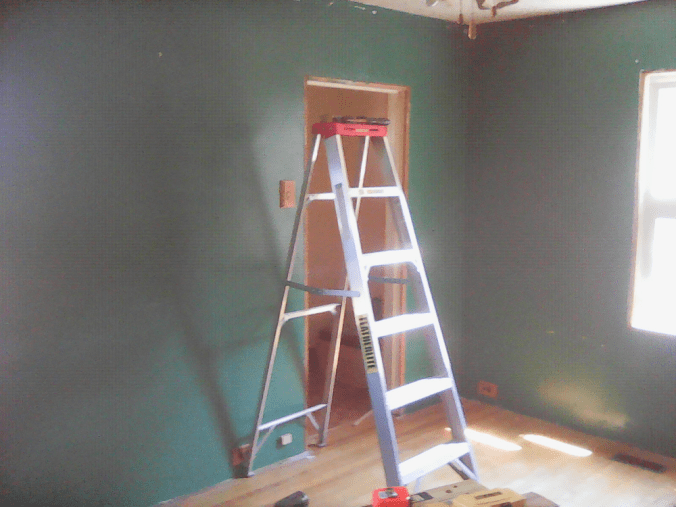
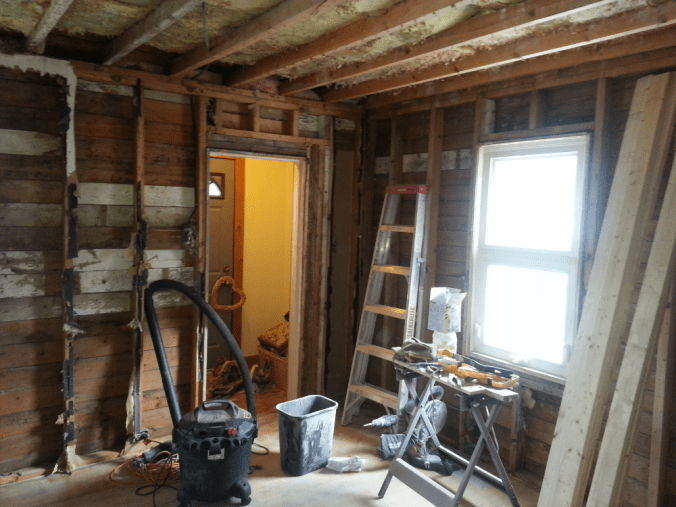
As I implied last week, I’m going to take some time to vary my programming before I dive into WorldCon sessions. Next week, I’ll get into the current reno Phil has undertaken and something else of a more personal nature. The following week, I’ll probably finish my review of mid-season TV and offer my thoughts on a few more movies I’ve seen in the past year or so.

And then it’s time for another next chapter update. Gosh, time really does fly, doesn’t it?

Be well!

Thoughty Thursday: Things that made me go hmmmm on the interwebz, Aug 28-Sept 3, 2016

It’s time, once again, to pop that mental corn!

Kristi Coulter gave up drinking and realized why so many women use alcohol as a crutch. Quartz

She doesn’t owe you shit. James Fell’s Body for wife blog.

Jim C. Hines: what is this “rape culture” we keep hearing about?

Chuck Wendig posts a public service announcement: dear men, it’s time we had a conversation. Terribleminds

Cree Summer talks about diversity in animation and the myth of the carefree black girl. Tahirah Hairston for Fusion.

Marie Solis introduces us to Moya Bailey, the woman who coined the term, “misogynoir.” Mic

Laura McKeon examines the Matilda Effect: the disappearing act. Hazlitt

Siobhan Fenton reports that even though period pain has been proven as bad as a heart attack, doctors continue to ignore it. The Independent

Marianne Moen of The Dangerous Women Project features women of the Viking age, then and now.

The safest possible route.* Anna Lovind on Annapurna Living.

Maria Lally introduces us to hygge, the Danish secret to happiness.* The Telegraph

How to be perfectly unhappy.* One of the many reasons I love The Oatmeal.

Deshun Wang – Be the fiercest.*


The Assembly of First Nations urges Canada to invest in safe drinking water. Michelle Zilio and Matthew McClearn for The Globe and Mail.

Doris Jean Lamar is the last living person who is fluent in the Wichita language.

John Horgan on the secret life of terrorists. Nova’s secret lives of scientists and engineers.


Amy Schlinger shares six health benefits of walking 1,000 more steps a day. Rodale’s Organic Life

Fiona Macrae reports on a revolutionary new drug that promises to prevent Alzheimer’s disease from developing. The Daily Mail

SETI is investigating a signal from deep space. Will it prove to originate from an extraterrestrial civilization?  Robin Seemangal for The Observer.

Jolene Creighton explains what the Kardashev Scale is and what it might mean for the future of the human race. Futurism

How do dogs “see” with their noses – Alexandra Horowitz. Ted.ed


What happens when otters see a butterfly – kawaii!


Nothing but thieves – Graveyard whistling.


*posts that comforted me this past week.

And that’s a wrap, people.

See you Saturday with the last of my CWS 2016 sessions, Grants for writers with Jack Illingworth of the Ontario Arts Council. It’s kind of timely. Deadlines are coming up.

Thoughty Thursday

Tipsday: Writerly Goodness found on the interwebz, Aug 28-Sept 3, 2016

We are once again full of the informal writerly learnings.

K.M. Weiland offers six reasons you need to make way more writing mistakes.* Helping writers become authors

Kate returns later in the week with more lessons from the MCU. This time it’s all about backstory, the number one key to relatable characters.

Ollie, as transcribed by his human, James Stack, prefers to frame rejections as declines.* Sir Oliver of Skygate Farm

Regine Ward shares seven common truths that will help writers handle rejection productively. Live, write, thrive

On the other side of the coin, Pamela Hodges shares six ways to let go of past writing and tackle something new. The Write Practice

Kellie McGann: why we write. The Write Practice

Kassandra Lamb offers four ways to add depth to your stories on Jami Gold’s blog.

Gabriela Pereira interviews Delia Ephron on DIYMFA radio. On Friday, Emily Wenstrom shares her top five takeaways from the Writer’s Digest Conference.

Victoria (V.E.) Schwab: this book is broken and other things I tell myself while writing.*

Anna Elliott shares four ways to recapture the joy of writing.* Writer Unboxed

Last week’s Spark in the summer replay was episode 299, which features an author who live-streamed the writing of a book, and an interview with David Mitchell on how Twitter played a role in the creation of his novel, Slade House. Awesomesauce. CBC

Nora Jemisin (N.K. Jemisin): I would just love to write and not have everything turn into a political battle. David Barnett for The New Statesman.

The Library of America will publish Ursula K. Le Guin’s The Complete Orsinia. David Streitfeld for The New York Times. The actual title of the article is misleading, implying that Le Guin is denying that she’s a science fiction author (something of which she’s accused other writers in the past). Not so. She’s tired of the epithet being used as a reason to exclude writers of excellence from the literary canon. As she says, she won’t be pushed out. Kudos!

Locus interviews Kelly Robson.

And then, THIS: On being a late bloomer.* Kelly Robson in Clarkesworld. Really, I want to give this article ALL THE STARS. I think Kelly single-handedly saved me last week.

Christine Schrum: what growing up in sulphur city taught me about beauty.* Latitude 46  We’re still strange children, by the way.

Julie Czerneda posts on The Black Gate about the challenges of living a #rurallife.

Beth Cato explains why we need more trans heroes in genre fiction. The MarySue

A Writing the Other Roundtable: how to stay in your lane.


John Scalzi asks some special guests to post about writing the other. Whatever

Jim C. Hines says, don’t look away: how we fight sexual harassment in the science fiction and fantasy community. i09

Jo Walton writes about science fiction, innovation, and continuity. Tor.com

Meir Solovichik gives us some insight into the secret “Jews” of The Hobbit. Carnage and Culture

You have to read this letter Josh Corman wrote when uncomfortable parents asked his school to ban The Handmaid’s Tale. Bookriot

Jessica Stillman reports on more evidence to support the link between reading and empathy. Inc.

Jake Parker: finished, not perfect.*


Another brilliant entertainer, gone 😦 i09’s Germaine Lussier revisits five of Gene Wilder’s defining film roles. Note: If the video isn’t in the frame, scroll back to see it.

Shakespeare and performance. Oxford University Press.


Outlander has cast Lord John Grey. Entertainment Weekly

Netflix announced that they were renewing Stranger Things on Tuesday last week. On Wednesday, the creators shared this first teaser for season two. They had no idea what was in the pipe, no, they didn’t 😉 Katharine Trendacosta for i09.

Tim Stack has additional details about season two on Entertainment Weekly.

Writers Relief celebrated National Dog Day with pictures of these book-loving hounds.

*posts that comforted me this past week.

I hope you’ve found some comfort here as well 🙂

Have an awesome week until Thursday and then come back to fill up on thoughty!

Creative sustenance. It’s what I’m all about.

Tipsday

The next chapter: August 2016 update

Let me tell you a story 🙂

Dark season

Over the last couple of years, August has been a bad month for me, emotionally speaking.

I’ve been down. Living with depression, if you do it consciously, means that you can see the signs and take action, or not, whatever is most appropriate for your mental health at the time. Trying to barge through rarely works. For me, anyway.

Last year, I was away from home, delivering training, for two and a half weeks in August. I thought London was a lovely city, and I did enjoy myself to the extent I could—I even went shopping (!) and if you know me, you know I hate shopping of any kind with a passion—but it was too far away for me to go home on the weekends, and I had discovered earlier in the year how much more difficult it was for me to write or blog while travelling. So except for curation, I gave over.

Writing on the road isn’t undoable, and I have put on my big girl panties and done it since (I started NaNoWriMo while travelling last year), but, at the time, I was at a low ebb, and sometimes you have to be kind to yourself.

This year, I went to Kansas City for WorldCon and stayed an extra day or so to visit with a friend who’d moved down there several years ago. More on WorldCon in a bit. The bottom line is that health issues and my introvert nature (exacerbated by my emotional low) conspired to rob the trip of some of its joy.

Remembering what had happened last year, I had even planned for the dog-day doldrums. I figured I’d have the first run-through of all my drafted novels done by August (and I did) and that I would need a little break (and I did).

My plan to turn to other projects, though, didn’t work out as well as I’d thought. I worked on some short fiction, made a few submissions (a rejection from one of which was returned within a week), but I never touched the poetry collection or the non-speculative short fiction collection. I just didn’t have the heart.

I journalled, trying to work out what my plan for the rest of the year would look like and trying to find my way back to what is, for me, normal. I also participated in a Nelson Literary Agency workshop on first pages with Angie Hodapp.

Though the initial review of my first five pages wasn’t horrible, I wanted to try something completely different for the revision, see if the advice of the readers would work. It was a spectacular failure, but I learned a lot from the experience.

You really do have to fail to learn, even if it’s painful 🙂

I’m now delving back into Initiate of Stone, working long hand in a notebook. Sometimes you just have to write it out. I find that writing long hand helps give me the time to examine the words and sentences, and get a fresh perspective.

I can now also disclose that I did not succeed with my application to #PitchWars. Reality Bomb was the project I chose for that experience. I didn’t expect to get in this first year of applying, but one pair of mentors, Michael Mammay and Dan Koboldt, was very supportive. They asked for additional materials, a synopsis and first 50 pages.

Our email exchanges in that first week or so were productive and illuminating for me. I now have some great ideas to return to that manuscript with. So, ultimately, #PitchWars was a win.

This brings me to another realization of why this year has been a difficult one for me.

Last year was the year of almost. I got on several long and short lists in contests, had my work set aside for second readings for anthologies, and while it didn’t result in any publications, the nature of the responses was reassuring. I also had a couple of stories accepted into the Sudbury Writers’ Guild anthology, which should be coming out this fall.

This year, with the exception of #PitchWars, has been the year of no. Form rejections all around, whether from querying or from short fiction submissions. Though I have, to some extent, found a way to turn rejection into a positive, when so many pile up, it becomes disheartening.

You begin to question your worth and skill as a writer, to doubt the kind things that have been said about your work (because there are so few of them, relatively speaking, that they must be the flukes, you reason). You begin to look for those opportunities to confirm your negative bias, blow small faux pas into huge incidents. Reasonable lapses in communication become the occasion for self-blame and recrimination.

Fortunately, since my return from Kansas City, I’ve been coming across the most wonderful articles and posts that have given me the encouragement I’ve needed, some of which you’ll see in this week’s curation. Between that, and the long hand work I’ve been doing on IoS, I’m making my way back to the page.

WorldCon

I’d left with the best of intentions and wanted to practice Gabriela Pereira’s method of networking with a number of authors I’d only ever seen online. In the moment, though, I was so nervous, I basically blathered.

I did get to meet and have a couple of nice, brief chats with Mary Robinette Kowal, met Cat Cambo and Foz Meadows at their Literary Beer sessions (informal chats), but otherwise, I just did my usual and took notes in panel discussions.

I was within three feet of George R.R. Martin, but as he was just coming out of the second of two autographing sessions in which fans lined up for the better part of an hour to see him, I just couldn’t bring myself to be that fan. Instead, I smiled, nodded, and moved on without harassing the poor man.

I had gone to the Tor Party with the intention of meeting John Scalzi, but several people seemed to be running interference and by the time I was able to politely make my excuses, Mr. Scalzi was monopolized by other Tor authors and friends. After that, he turned his attention to his beautiful wife and, again, I could not bring myself to interrupt just to say “hi, and thank you for writing wonderful books.”

Maybe it’s because I’m Canadian, or an introvert, or both, but I just couldn’t.

I’m also a total newb and have no clue with regard to what’s appropriate and what’s not in which context.

The Hugo Awards Ceremonies were wonderful, though, and the sad puppies were soundly trounced.

N.K. Jemesin won best novel for The Fifth Season, Nnedi Okorafor won best novella for Binti, Hao Jingfang and Ken Liu (translator) won best novelette for Folding Beijing, and Neil Gaiman (who wasn’t there in person) had a special message for the sad puppies when he won best graphic story for The Sandman: Overture.

Really, you can just go to the Hugo Awards site and check out all the winners. Diversity was the word of the evening.

It was a great event, but at the end, I felt like I needed a vacation to get over my vacation 🙂

I returned home with a whopping case of imposter’s syndrome, though. I’d met and seen and learned from all of these authors, many of whom I read and respect. Who am I, with my two publications in what the Science Fiction Writers Association (SFWA) considers “token” markets, to think that I can get a traditional deal in a market that’s more competitive than ever?

When I confided my doubts to Phil, his response was that print publishing was on its way to extinction and why would I want that, anyway? So not what I needed to hear, but I forgave him instantly. Though he is very supportive of me and my creative calling, he, like most non-writers, will never understand what it’s like to be in my neurotic wee skull.

But, as I said, I’m surfacing now. I have no further conventions I’ve committed to (having used up my budget for such things) and the only challenge I’ve set for myself is to get through another revision of IoS and Apprentice of Wind before I tackle the third novel in the series for NaNoWriMo.

I still want to get back to the poetry collection and the non-speculative short fiction collection, but neither is a big priority for me at the moment.

I’m taking my time with the short fiction. Some of my stories are actually the seeds of novels. I have to set those aside in their own project folders for the future, and then get on with revising and submitting what I have. Who knows? I may even surprise myself and write some more new stories. It has been known to happen.

In the meantime, I’ve applied for my winter leave at work and am crossing my fingers.

Persistent payroll issues may affect my application for another leave with income averaging. Until things are sorted out, the powers that be may recommend against such special considerations. I may have to defer again until next year.

It won’t be the worst thing that’s ever happened, but Phil and I are ready to look for another furry dependent. I need the five weeks for acclimatization and training. We’d rather it be sooner than later, but we’ll be patient if we must.

Having a new puppy in the spring would probably be more convenient (she says, mentally willing leave approval).

And then there are the renovations to consider, but that’s another post. Probably several 😉

The month in writing

August was sparse as far as writing goes. Aside from the blog, from which I took a vacation for WorldCon, the only writing I did was to finish off the one short story I was working on.
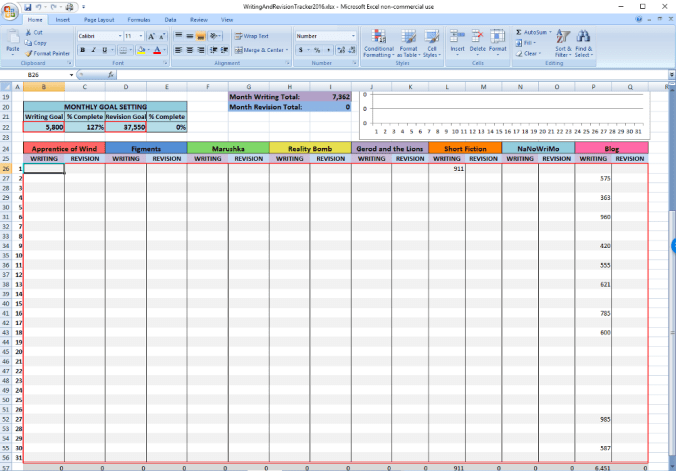
AugustProgress

6,451 words on the blog and 901 words on the short story. 7,362 altogether. That’s literally all she wrote.

I didn’t revise a thing. Fortunately, because I met or exceeded my revision goals in every other month so far this year, I’m not that far behind.

I didn’t count the minor revisions I did to the stories I submitted, or any of the journalling or long hand writing I did.

Besides, I wasn’t anticipating (until part way through the year) that I’d return to IoS, so I don’t have a column for that on my spreadsheet. I could make one. I have the skill, but I don’t want to take the time to do it now. Yes. I know. Lazy Mellie.

I’m getting my mojo back. The writing’s the thing.

Science fiction is the literature of ideas. It is the great “what if?” that leads us into the future. Fantasy is the literature of (im)possibility. It longingly wonders “If only . . .” and whispers in our dreams. I write both and I think I’m pretty damned lucky.

And that’s it until next month.

I hope you’re all experiencing great creative breakthroughs and are satisfied with what you’ve done. In the end, that’s all that matters.

Be well!
The Next Chapter

Thoughty Thursday: Things that made me go hmmmm on the interwebz, Aug 21-27, 2016

Brain food for creatives.

Kayla Brandon shares Heather Cross’s letter to the media on their (non) response to the Louisiana flooding. Independent journal

Makare Chi rounds up the studies on police violence and racial bias for Vanity Fair.

Prime Minister Justin Trudeau writes a letter in support of One’s #PovertyIsSexist campaign.

Watch Kristen McCrea create one of Sudbury’s newest murals for the Up Here Festival. The Northern Life

The Scotsman presents the history of Scotland in nine maps.

Rob Bricken invites you to find out what third-century China thought about the Roman Empire. i09

Lily Kuo reports that the destruction of historical artefacts is now a war crime and perpetrators are being charged. Quartz

The strange folk custom of telling the bees of a family death is explored on Ask A Mortician’s “Morbid Minute.”


This article on your aging muscles will terrify you, but it just might change your life. Ginny Graves for Prevention. I’m walking more, I’ll tell you what 😉

Want the secret of happiness? Stay curious. Laura Garnett for Inc.

The Right By You campaign created three videos busting the myths of youth suicide prevention. Important stuff.

Kendra Syrdal wrote this wonderful piece on what it means to love a woman who’s used to being on her own for Thought catalog. I shared it with a particular singleton friend in mind, but the applies to any woman who’s become her own person prior to embarking on a new relationship.

Captain Awkward answers a couple of letters from two women whose groups of friends inexplicably cling to creepy dudes despite the potential for harassment and abuse they present. Important reading for any feminist.

Rebecca Boyle covers the epochal discovery of a potentially habitable planet orbiting our neighbouring star. The Atlantic

Will genome editing transform the world? Oxford Academic


Do plants think? It’s okay to be smart.


Time to get that mental corn a-poppin’!

Write away until Saturday.

And be well.

Hugs.

Thoughty Thursday

Tipsday: Writerly Goodness found on the interwebz, Aug 21-27, 2016

Sorry to have missed a week of curation, but life happens. I’m back now, though, and here with your informal writerly learnings for the week 🙂

Jane Friedman explores discourse communities as a means of distinguishing yourself among agents and editors. Writer Unboxed

Heather Webb writes about revision and how to make it through. Writer Unboxed

We need to give ourselves permission to begin, courage to continue, and forgiveness to try again. I so needed this, Dan Blank. Bless you. Writer Unboxed

Angela Ackerman offers some advice on creating mood in a scene using light and shadow. Writers helping writers

Later in the week, Angela announces the expansion of One Stop for Writers.

Roz Morris shares three surprising to measure your progress when you’re writing a slow burn book. Nail your novel

Susan Brooks guest posts on Janice Hardy’s Fiction University on the importance of being genre-specific. Part one of a new series. Later in the week, Janice guests on Jody Hedlund’s blog, sharing five reasons your plot stalled. Then, Marcy Kennedy stopped by to explore indie choices: writing in multiple genres or specializing.

Jenny Hansen guest posts on Jami Gold’s blog (while she recovers) and offers some strategies for overcoming fear, the writer’s enemy number one.

Leanne Sowul writes about the importance of quality sleep. DIYMFA

Gabriela Pereira interviews MJ Rose for the DIYMFA Radio podcast: build buzz around your book.

Jamie Raintree guests on Writers in the Storm: the career mindset comes before the writing career.

Love this woman’s big squishy brain 🙂 Kameron Hurley shares her thoughts on why being a writer is an exercise in cognitive dissonance.

K. Eason shares six tips for writing a science fiction series. Writer’s Digest

Steven Pressfield studies stuff that works: True Grit and Paper Moon, which are essentially the same movie . . .

DBC Pierre lists ten books all writers should read. With the exception of a couple, they’re not what you’d think. The Guardian

John Bradley evokes Marshall McLuhan’s statement, “the medium is the message” to examine how we read and how it affects us. The Wild Detectives

Brandon Taylor states that there is no secret to writing about people who do not look like you. Literary hub

Sarah Gailey encourages SFF writers to “do better” when it comes to writing sexual violence. Tor.com

Laurie Garrison’s #women_writers manifesto aims to build the community of female authors. Lara Williams for The Guardian.

It was the 101st anniversary of James Tiptree Jr. (Alice B. Sheldon)’s birth. Tachyon Publications offers this tribute to her work and influence. Leah Schnelbach writes this article on Tiptree and the power of the SF community for Tor.com.

Fiona Macdonald reports on the secret libraries of history for the BBC.

Alexandra Alter interviews Hugo award winner, N.K. Jemisin, for The New York Times.

J.M. Frey explores how fantasy tropes can bring out the power of being a fan girl. The MarySue

And here’s the cover reveal for her new novel 🙂

Cheryl Eddy presents all the new science fiction and fantasy books you must read this fall. i09

Charlie Jane Anders previews Dominik Parisien’s new fairy tale anthology, The Starlit Wood for i09.

Katharine Trendacosta shares photos of some of the set pieces for the Ready Player One movie for i09. I have to say that this was one of my favourite novels I read last year. So looking forward. Here are some more from Collider.

And that was Tipsday.

See you Thursday!

Tipsday

CWS 2016: Diversify your writing income

And . . . I’m back from WorldCon and my blogging vacay 🙂

Disclaimer: I am not perfect and neither are my notes. If you see anything that requires clarification or correction, please email me at melanie (dot) marttila (at) gmail (dot) com and I’ll fix it, post hasty.

Presenter: Robert J. Sawyer

RJS1

One of the easiest ways to diversify is to use your expertise and become a public speaker. If your expertise is in writing, you could receive a nominal fee, funded by a professional writing organization or granting agency.

A science fiction writer, however, can use their scientific research as the basis to become a futurist. A futurist demands a more substantial fee, potentially between five and ten thousand dollars. The more established the writer is as an expert, the higher the fee offered for their presentation.

Public speaking ability, is, of course, a benefit. Join your local Toastmasters to develop that. Sign up for an improvisation class.

Short fiction can earn a small amount, but even small amounts can add up over time and the publication credit becomes part of your platform. Hugo Gernsback, for whom the Hugo award is named, founded Amazing Stories and paid .06 cents a word. It’s still a payment standard used today.

A more lucrative form of writing is screenwriting. The Screenwriters Guild has standardized rates of pay for screenwriters. A one hour script for a television series, such as ABC’s Flashforward, based on my novel of the same name, earns the writer about $3600. That’s approximately 6000 words. Compare that to a short story of 6000 words paid at .06 cents a word.

If you do get a novel published, pursue film and screen rights. It doesn’t happen without effort, though.

I’ll never win a Giller Award, but I earn the equivalent of that prize amount every year.

Whatever you write, become an expert in that subject.

Authority comes from the same etymological root as author. Market your authority.

Record your presentations. A video is a great promotional tool. It will convince people to hire you. Embed it on your web site.

Too often, the author is the only person not being paid.

If you present in schools, don’t be shy about asking for a fee. The only classes I don’t charge are the ones studying my book. If they’ve bought a class set of my book, it’s not fair to charge further, in my opinion. Some professional writing organisations will provide you with a reading fee. Some will cover travel or accommodation expenses as well.

In general, non-fiction sells better and pays better that fiction. I might avoid book reviews, though. The Globe and Mail will pay $175 for book reviews, but you have to either be prepared to hold your punches, or have someone want to punch you. You can’t like everything you’re given to read.

Write what you want to find out about. Maureen Jennings writes the Murdoch Mysteries. She also writes articles on historical Toronto.

Q: What are the tax implications?

I happen to be a dual citizen so that makes some of it easier. The IRS is assiduous about getting its money, but you can work around it to some extent. I live and do most of my work in Canada. It makes a difference. For a presentation I gave in the US, I wrote it in Canada. If the work is completed in Canada, the income is declared in Canada.

For publishing income in the US, you need to have a ITIN or EIN.

Q: Do you enjoy public speaking?

Yes, I do. The more speaking engagements you get, the more comfortable you get on the stage.

Q: How did you get started?

Back in 2000, I was invited to speak at an AI conference based on my research from a recent novel. Previous to that, I was making $250 per speaking engagement as a science fiction author. I asked for $2500 and the organizers said yes. I could have asked for more.

I used to be on panels with Jay Ingram and Bob McDonald, but now I can earn more than they do for a speaking engagement.

Q: How does the unpublished or minimally published author make a living?

The number one thing is to get on television or radio as soon as you can. An agent or publicist can be helpful with this.

I used to teach for Ryerson, but it was actually the least lucrative channel of income I had when you factor in the hours spent on prep and marking.

Q: Do you have to seek out engagements?

Initially, yes. Not so much anymore. Once you’re an established expert, people will come to you.

If you have an author newsletter, let your readers know that you’re available for talks. Fans will convince their businesses to hire you just so they can meet you.

Q: Can diversification compromise your author identity?

It can.

There are some writers who end up making more public appearances and presentations than writing novels.

In 1988, I was 28. I wanted to be a novelist, but I was writing financial columns. That was how I paid the bills. I decided to start turning down these opportunities to make more time for writing novels. I was terrified. In 1996, eight years later, I won the Nebula award. It took that long to make the transition.

And that was time.


You’ll be happy to know I’m returning to Tipsday and Thoughty Thursday curations starting this week.

Next week: I’ll be offering up my next chapter update for August and then I’ll have only one more session from the Canadian Writers’ Summit to share before I move on to WorldCon panel notes 🙂 I have enough of those to keep the weekend blogging going into 2017 (considering the time I’ll be taking off for NaNoWriMo).

Be well until next week, writerly peoples 🙂

Thoughty Thursday: Things that made me go hmmmm on the interwebz, Aug 7-13, 2016

Canadian Olympic news:

I’ve shared articles to Facebook that later turned out to be erroneous. I’ve curated some of them here with their debunking articles appended. As a public service, I’m sharing the Snopes’ guide to fake news sites and hoax purveyors. You’re welcome.

80,000 Hours explores the qualities that make a job a fulfilling career. High income isn’t the main consideration. Follow the links at the bottom of each part through to part six and map out your career path (aimed at 20-somethings, but everyone can assess, or reassess, their careers using their quizzes and tools).

Sudbury writer Laura Stradiotto shares a personal story that every woman needs to read: I was happily married with kids and I made the decision to have an abortion. Chatelaine

Eckhart Tolle: You’re not your Facebook ego.


Allie Brosch’s Hyperbole and a Half is amazeballs awesomesauce. Read about her adventures in depression. It doesn’t end on a happy note, but there’s more to read on her site, and in her book. For my money, there’s no one who describes what it’s like to have depression better.

Anna Lovind muses on what we are called to do when our hearts are breaking. She also writes about how people use the excuse of not having enough time to skimp on self care: that’s the most ridiculous thing she’s ever heard.

Kimmy Dee reports on five scientific reasons our idea of happiness is wrong for Cracked.

Brother Devid Steindle-Rast recommends five small gestures of gratitude that counteract violence. Uplift

Jennifer Wolkin shares more about the brain-gut connection. Mindful

Last week, I shared an article about how scientists have discovered a new kind of light. This week, it’s a new kind of fire that may be useful in cleaning up oil spills. Andrew Liszewski for Gizmodo.

A new trans-Neptunian object (TNO) is making the solar system look a whole lot weirder. Shannon Hall for New Scientist.

Kivi Park will become Sudbury’s largest outdoor recreation space. South Side Story

Archived photos of Sudbury will change the way people see our city. Up Here

And here’s the mural Ella and Pitr were commissioned to create for the Up Here festival. CBC

In honour of International Left-Hand Day, BrainPickings reviews David Wolman’s book A Left-Hand Turn Around the World.

The theory of how North America was populated is wrong. Emily Chung for the CBC.

Paulette Steeves, an Indigenous anthropologist, is challenging the origin story of First Nations peoples. Denise Ryan, The Vancouver Sun.

Alan Yuhas reports on a recently uncovered Mayan tomb that sheds light on the “Snake Dynasty.” The Guardian

John Vidal examines how millions of trees brought a broken landscape back to life. The Guardian

Okay, tourists. Stop stacking rocks at Hanakapiai beach. It’s not pono (right). Christine Hitt, Hawai’i Magazine

Maddie Stone reports on the Greenland shark, which may hold the cure to aging. Gizmodo

The White Wolf Pack reports on a couple of heroic beavers from Ogden, Utah, who stopped a fuel spill with their dam, but had to be taken to a wildlife rescue for rehabilitation as a result.

A cockatoo freaks out a bunch of cats by meowing at them. Daily Kaos

That should get your mental corn a-poppin’.

With any luck, I’ve tracked Mary Robinette Kowal down and delivered the decoded phrase 🙂 So looking forward to meeting her (among others) at WorldCon.

See you on the other side (that’s the 27th)!

Thoughty Thursday

Tipsday: Writerly Goodness found on the interwebz, Aug 7-13, 2016

Bumper week here at Writerly Goodness 🙂

The week previous, K.M. Weiland shared the reasons she believes writing is important, last week, she collected her readers’ thoughts on the issue. Helping writers become authors

On a related note: what do we write when the world feels insane? Sarah Selecky’s Story is a state of mind.

K.M. Weiland returns with more writing lessons from the Marvel Cinematic Universe (MCU) with the single best way to write powerful themes.

Roz Morris offers ten eye-opening tips to add impact to your storytelling. Nail your novel

Chuck Wendig lists 25 reasons he stops reading books. Terribleminds

Then Chuck shares ten things he learned about storytelling from Stranger Things.

Related: Janice Hardy shares lessons learned about handling flashbacks from Stranger Things. Fiction University. Nick Wisseman then guests posts on Janice’s blog, explaining how to plot your pants (wait . . . that sounds bad).

Janice then hopes over to Writers in the Storm to post: using internal conflict to create plot.

Finally, Janice guest posts on Jami Gold’s blog: if you’re stuck on plot, start at the end.

Lisa Cron writes about getting out of your process comfort zone: there is no safe place. Not plotter or pantser, but seeker. Writer Unboxed

Allie Larkin shows us how to organize a second draft with note cards and Tom Petty. Writer Unboxed

Christine Frazier shows us how to write a fight scene in which the hero fends off an attack to save a friend. The better novel project

Chris Winkle shares what she knows about creating realistic cultures. Mythcreants

Sarah Callender writes about enduring the long road to publication for Writer Unboxed.

The author as busy, busy bee and other bee-filled nightmares. Kameron Hurley.

Phil Stamper-Halpin shares what the editors of Penguin Random House look for in the first page of a novel.

Jennifer Johnson Blalock offers six ways to make comp titles work for you on Carly Watters’ blog.

Susan Spann helps you understand ebook rights. Writers in the Storm.

Robin Lovett shares what she learned from a negative experience: when your book doesn’t sell. DIYMFA

Gabriela Pereira interviews Andrew Piper (not the Canadian author) on her DIYMFA Radio podcast. Will an MFA influence your chances of success as an author?

Timothy Beck Werth looks at Djuna Barnes’ 1936 novel Nightwood and what may be the first trans woman in western literature. The Awl

Lorraine Berry: the horror of female adolescence and how to write about it. The Guardian

Michael Newton leads a celebration of Alan Garner. The Guardian

Ursula K. Le Guin writes about the golden age for The New Yorker. “I . . . think it ungrateful in a writer to write science fiction and deny that it’s science fiction.”

BrainPickings looks at Le Guin’s thoughts on aging and the meaning of beauty.

“What the market wants” is code for white stories in science fiction where black writers face universal racism. Amy McNeill for The National Post.

Michael Swanick lists five fantasy novels you won’t find in the fantasy section. Tor.com

Sarah Gailey writes in defence of villainesses for Tor.com.

Writing begins with forgiveness: why one of the most common pieces of writing advice is wrong. Daniel José Older on Seven Scribes.

Every writer’s worst nightmare: Helen Gladwell died before learning that her first book had been accepted for publication. Worse, her body remained undiscovered for months. The Telegraph

I saw this article in many forms over the last week. This one, by Jenn Savedge for Mother Nature Network, was the first. Reading a minimum of 30 minutes a day can extend your lifespan.

Jacob Mikanowski examines the Oneirocritica, an ancient encyclopaedia of dreams and dream interpretation. The Awl

Anthony Jones lists 25 words for other words. Mental Floss

Abraham Riesman interviews Margaret Atwood at San Diego ComiCon. The Vulture

Katharine Trendacosta reports that The Silver Chair, the next film adaptation of C.S. Lewis’s Narnia series, is in production. Whee! i09

Germaine Lussier presents a first look at the Arrival trailer. i09

Phil and I are looking forward to September 30 for this reason: Luke Cage. i09

Laura Prudom breaks George R.R. Martin news for Variety: Wild Cards series in development.

Rogue One: A Star Wars Story trailer.


Thems was some juicy informal writerly learnings, eh?

I’m off to WorldCon tomorrow. Poor Phil’s holding down the fort. Not to worry, my mom’s going to feed him 😀 Thursday’s curation has already been scheduled, but the blog will be silent from the 19th to the 26th. For the sake of sanity, I’m not going to catch up on the curation.

Be well. Be kind.

Tipsday