From stunned incoherence to the first steps of recovery

Life in general
When I stopped working on July 30th, I think I went into shutdown. It might be more accurate to say that my nervous system crashed. I didn’t do anything for the first three days. There were still things to do (there are always things to do, aren’t there?), though, and I rallied myself to do them, but there were signs of rampant dysfunction.
For the first week, I didn’t sleep well or through the night. I mean, I always get up in the middle of the night—staying hydrated generally means at least one trip to the bathroom—but usually, I’d be able to get back to sleep. During this week, though, the best I could do was a hazy drowse during which I ruminated about work tasks left undone.
At least three times a day, I’d walk into a room and forget why I’d gone there. There was no panic, though. No energy for that. I calmly waited until my brain caught up with me and the memory of my purpose returned. I’d forget parts of my daily rituals. Like confusing the cleaning tab for my retainer and mouth guard with the saline packet for my netti-pot. Like boiling the water for my netti-pot and forgetting about it. Like forgetting to recharge my toothbrush. Again, I had no energy to panic. I’d adjust, as needed, and move on.
For the last few weeks of July, I was also having gastroesophageal reflux disease (GERD) flareups. It would come on at night, and I’d wake up with it. My doctor confirmed it was GERD at my appointment, and it struck me (only afterward) that it was probably a side effect of stress. After a few days off work, my symptoms cleared up, confirming my suspicions.
My capacity was so reduced that, even though I wasn’t working, if I did one thing outside my daily rituals, I could do nothing else.
For example, on the 4th, I sent my medical form to my doctor’s office and then called to ensure they received the form and made sure it got to my doctor’s desk for completion and signing. At the end of the call, I asked what time I would be able to pick up the medical in the afternoon.
Readers, the receptionist laughed. And then she said they’d call when the medical was ready and let me know how much it would cost.
So, my day was disrupted before it properly started and while I was relieved I wouldn’t have to run around in the afternoon (and then scan the form, send it to my work account, log onto my work computer and submit it to the team lead on duty), I was pissed off that the receptionist couldn’t keep her derision to herself.
But that one thing did me in for the day, even though I didn’t leave the house.
The next morning, I was still trying to sleep when I got the call. I was so uncoordinated, I couldn’t answer it (just kept stabbing frantically at the answer icon until the call went to voicemail) and had to call the doctor’s office back. The form was ready and would cost $20. At that point, I got up and tried to regulate with my rituals. After walking Torvi and having a brief visit with my mom, I went to the bank, picked up a few necessities at Shoppers, and then queued up at the doctor’s office for them to reopen at 1 pm.
Medical in hand, I returned home, scanned it, sent it to myself at my work email, logged on, and sent it to the team lead on duty, cc all the other TLs and my manager, and booked my last four days of annual leave (rescheduled from the days of leave I had taken during what was now my sick leave).
Aaaannnd … I was DONE.
I did get out to swim twice in that first week, though. I also started (gently, always gently) to reintroduce some yoga and a weightless workout I used to do. I found time to read. But it wasn’t a smooth process.
Things improved in the second week of August, though I was still zombified.
I got out to swim three times and that alone was restorative. I go in the morning before the lifeguard shows up. The cicadas sing and the Canada geese are lined up on the right, nibbling on the grass. The ducks are on the rocks to the left of the beach. There are always a couple of people there, but it’s never crowded. I stretch on the way in and just settle into the feeling of my body moving through the water. Bliss!
I’m building up strength and stamina again. I haven’t been in the water (inside or outside) since last fall. I’m going to look into winter memberships at one of the local pools.
One morning, the geese and ducks were milling all over the place. I just passed between them with an “excuse me, just going for a swim,” and no one seemed much bothered. When I got out, and was drying off, one of the ducks approached, perhaps looking for a handout. Sorry to say she left disappointed.
August was also a month of many appointments, for myself and for my mom. I started to check in with myself in the morning. Because I’m moving slower (so slowly!) if there was an appointment, I generally found I couldn’t do all the things I wanted to and sacrificed a swim or my reading (or both) to accommodate the extra activities in any given day.
The weather got cooler in the last half of the month, and I noticed I was slowing down a little bit more day after day. I didn’t get out swimming as much as I would have liked, but I kept walking Torvi and kept adding in a little yoga and a weightless workout where I could.
Some scenes from my August dog walks:





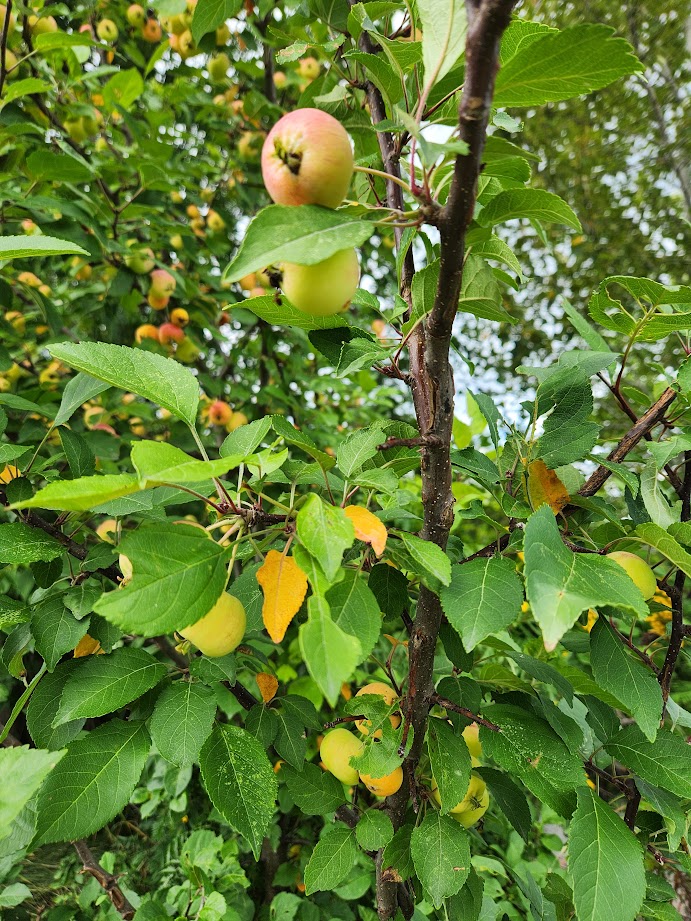


I began to lose track of the days or confuse them. Which is bizarre for me because I have an excellent memory and multiple calendars to keep track of everything.
In the last days of the month, I got sick. My body forced me to rest even more than I had been.
The month in writing
For the first part of the month, I fell back into creative inactivity/burnout. Part of me wanted to descend into radical rest, but there were still things that needed to be done in other areas of my life. It was all I could do to keep up with this document.
But … I finished and submitted another review, and I’m fitting in some proper reading time in my days. I’m hoping to catch up on reading and reviewing commitments as my body/brain recovers.
On the 1st, Hollay Ghadery posted her interview with Matthew Del Papa about Super Canucks (released last month) for the New Books Network podcast. And they mentioned my story “Old Crow”!
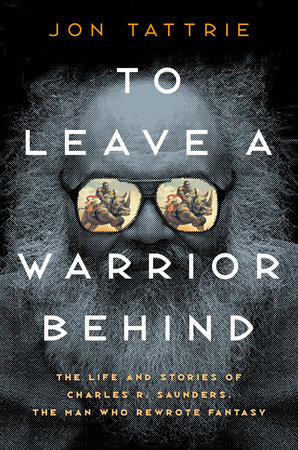
My review of Jon Tattrie’s To Leave a Warrior Behind was published in The Seaboard Review of Books on the 3rd.
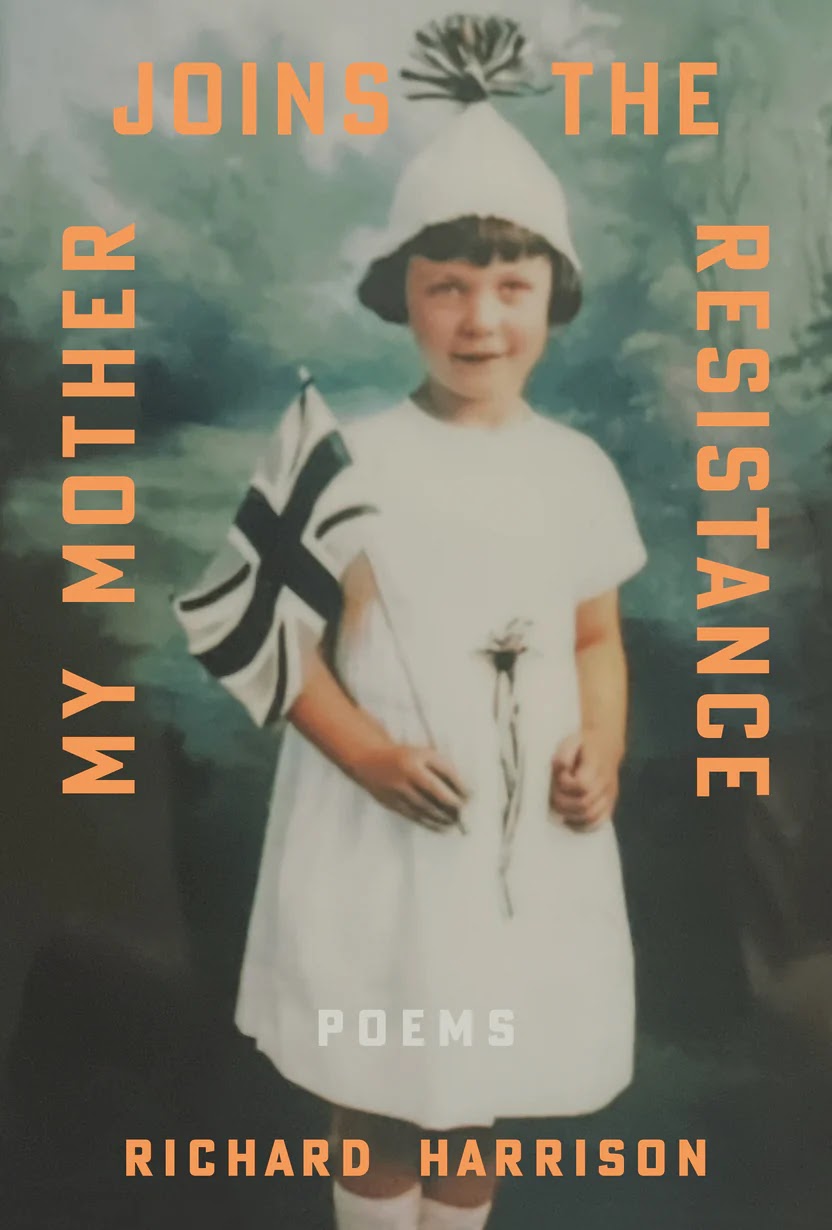
Then, my review of Richard Harrison’s My Mother Joins the Resistance was published in periodicities on the 4th.
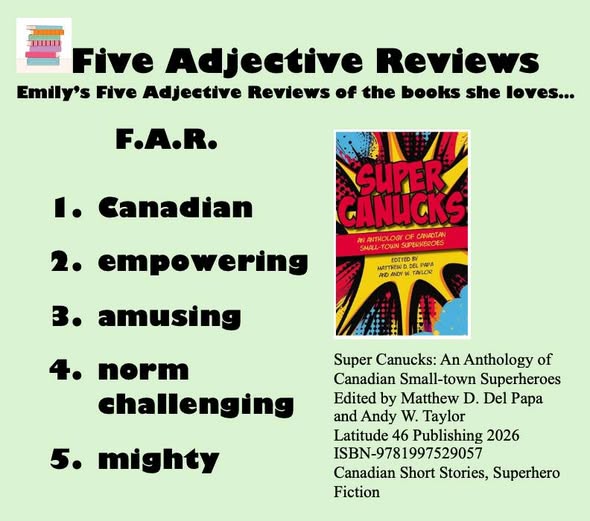
On the 7th, Emily De Angelis shared a Five Adjective Review (FAR) of Super Canucks.
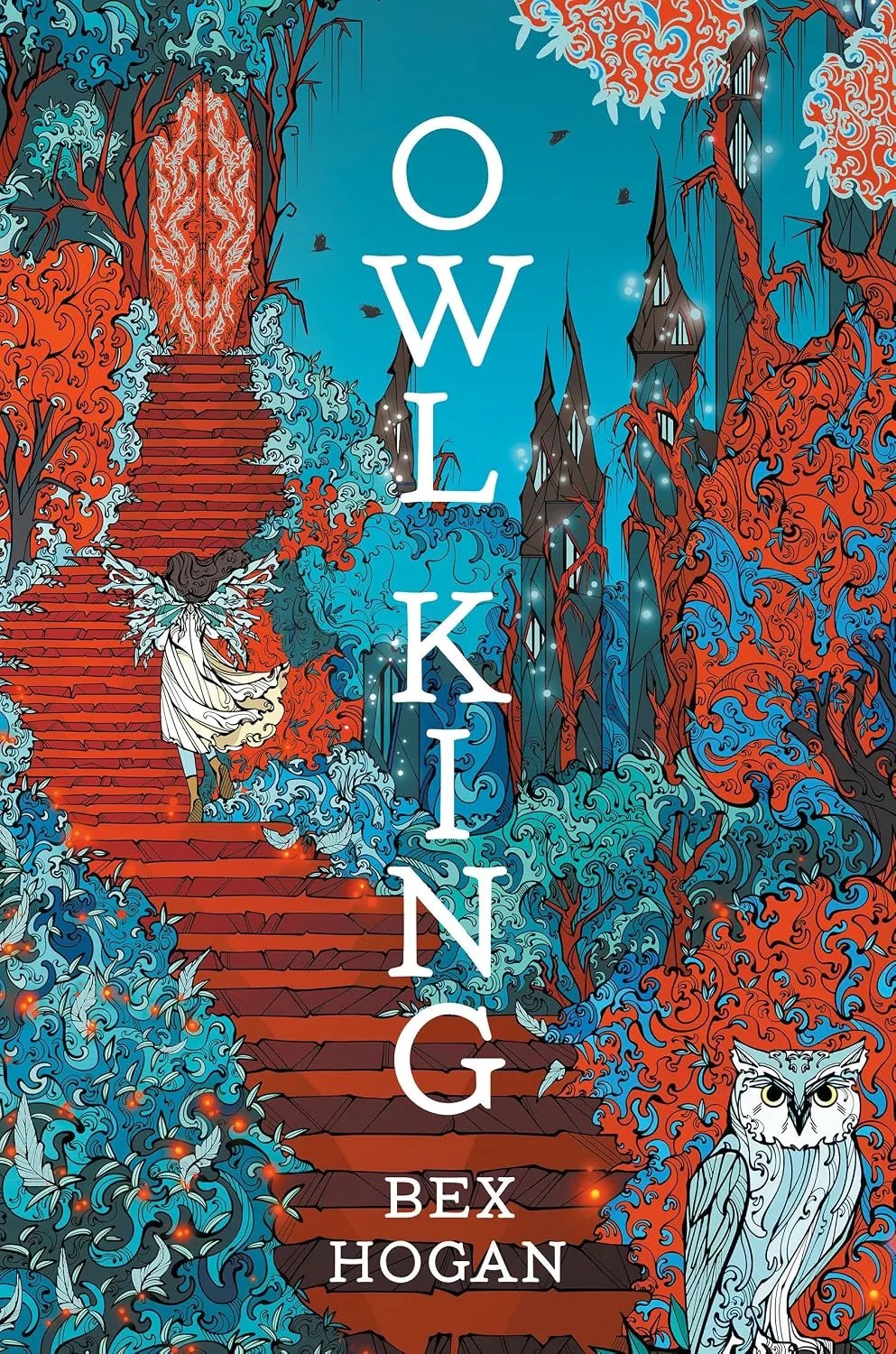
My review of Bex Hogan’s Owl King was published in The Seaboard Review of Books on the 17th.
I had an interview with Rosemary Richings about my life as an autistic author on the 19th. Rosemary’s writing an article for the Saskatchewan Writers’ Guild Magazine in September, and I’m looking forward to seeing the results. She had already interviewed Cait Gordon, which it how my name came up (thanks, Cait!). It promises to be a revealing article.
Also on the 19th, I submitted my application and supporting documents to the Banff Futurisms Residency in February 2027 (!) Wish me all the luck! I’m going to need it.
Then, on the 28th, Emily Andrews published the interview we did back in April (which you may or may not remember reading about) on her YouTube channel.
I think it’s fabulous, despite my ums and ahs and flailing pauses. It’s 100% me. And it makes me furiously happy.
Filling the well
The month began with Lughnassadh on August 1st, followed by the Civic Holiday on August 3rd.
The new holly moon in Leo was on the 12th. Also a partial solar eclipse that I didn’t even get to try to see because I was taking my mom to an appointment. I watched the full eclipse from Spain on Date & Time later in the afternoon.
The full ricing moon in Pisces was on the 28th. Also a lunar eclipse, and guess what? It was cloudy and raining! Thank goodness for Date & Time.






Revision Alchemy was ongoing throughout the month. I actually had to catch up on lessons from last month as I hadn’t had the opportunity while I was still working to view them (!)
Other than that, I had no writerly activities except for keeping up with podcasts and blog posts, and YouTube videos.
On the 4th, I got my medical form into my doctor’s office, but it wasn’t until the next day that I was able to pick it up, scan and send it to the team lead on duty. I also rescheduled four days of annual leave that fell into what was now my extended sick leave.
On the 11th, I had my triannual dentist appointment and now I’m set until January 2027 (which is a good thing, because there will be a disruption in my benefits when I retire).
I took my mom for a hearing test on the 12th. She has some age-related hearing loss, but also a wax buildup in her left ear that had to be cleared before they could make a more accurate assessment.
My next therapy session was on the 13th. As the stress of my WFA/VDP/retirement had largely passed, the session was focused on my other big transition—caregiving for my mom. We discussed a few things, and I committed to rest and recover as much as possible before out next session. If I’m not well, I can’t take care of anyone else.
I took my mom to have her ears cleaned out on the 20th—there were actually blockages in both ears—and we scheduled a hearing reassessment for the 25th. Then, it was confirmed that she had nerve damage/age-related hearing loss, but the audiologist said she could get by without getting hearing aids for now.
On the 26th, I had another lovely massage. So restorative.
My biennial eye examination was on the 27th. I brought an old pair of frames with me to save some money.
And my annual orthotics checkup was on the 31st. I brought several pairs of shoes and boots to donate. My orthotics are in good enough shape to last me another year! Yay!
Torvi’s monthly touch-up was on the 15th. Smooth sailing, this time around.
Other things that made me furiously happy this month:
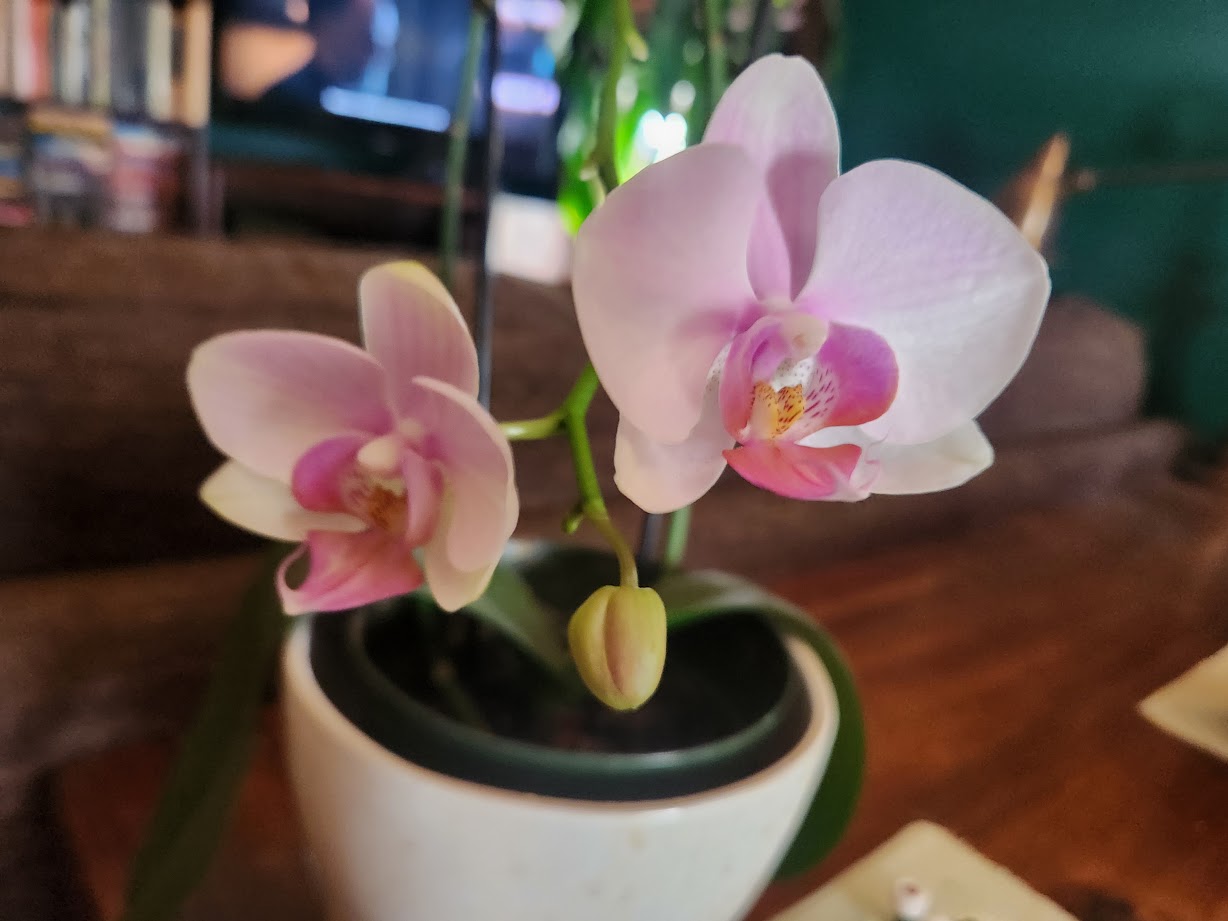
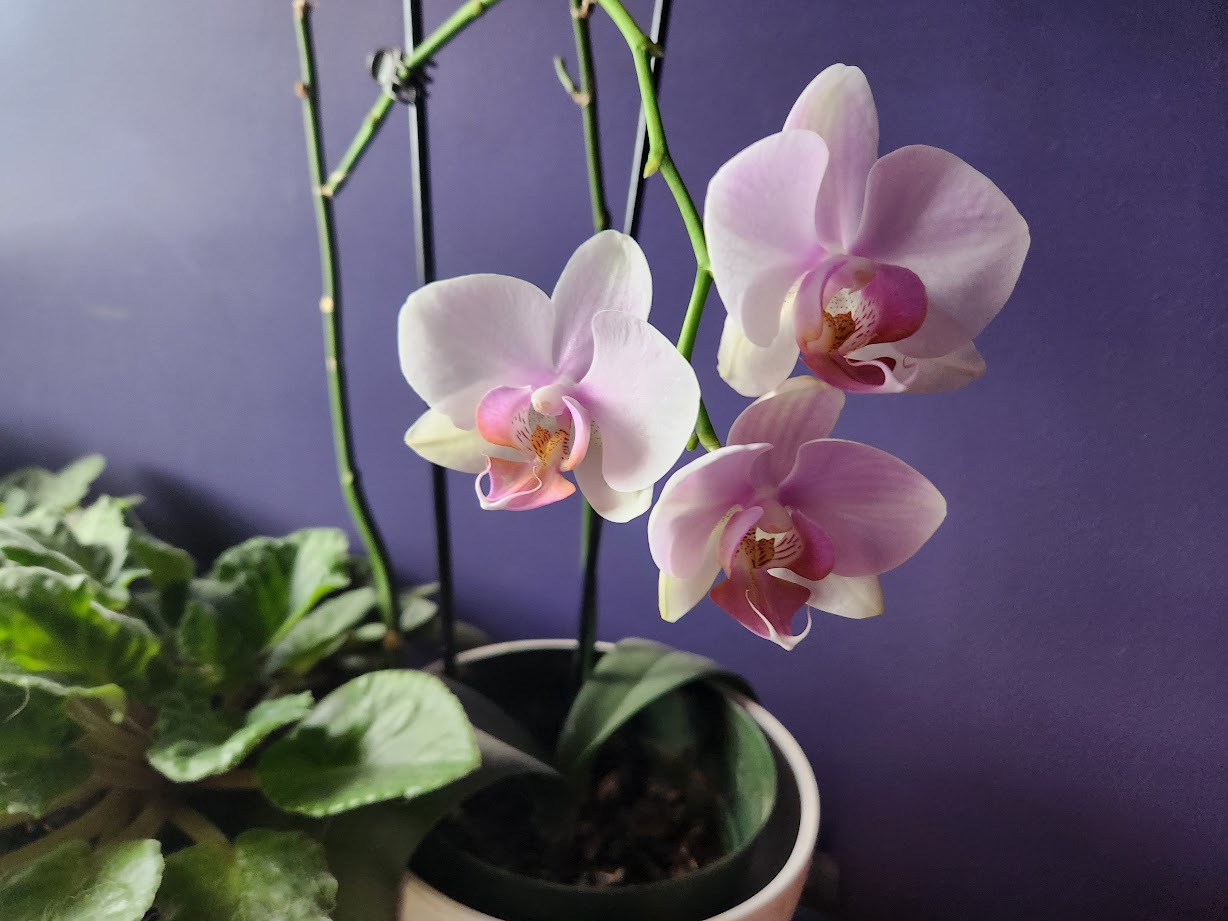
My beleaguered orchid bloomed again! I’m still enjoying the blooms!

And these clouds! Sky-floof abounded!







What I’m watching and reading
My first watch of August was a disappointment. Invitation to a Murder (Prime) is about Miranda Green, a florist with a passion for Agatha Christie novels. In the first minutes, viewers are hit over the head with how observant she is. See how clever? See how she notices things others don’t? These first few times, she explains her deductions to her dumbfounded friends. She then receives an invitation to Lord Findley’s island estate. When she arrives, there are five other guests, and they are told that Lord Findley has been delayed. And then (of course) people start to die. An hour and a half I’m never getting back.
Then, I watched The Unbearable Weight of Massive Talent (Prime). Absolute absurdity! Nick Cage plays a fictionalized version of himself, so obsessed with his career that his marriage has broken up and his daughter dreads his visits. People are getting tired of seeing him in … everything. After losing the role that could have revitalized his career and drowning in debt, he announces his retirement and accepts an invitation to attend the birthday of Javi Gutiérrez for a million dollars. And it gets crazy—and meta—from there. Enjoyed it, though.
Next, I finished the second season of Beef (Netflix). The cast for season 2 is a banger, but I’m still not sure what to feel about this series. It’s flawed people making the worst decisions and living (or not) with the consequences. And no one ever learns a thing. It’s basically a tragedy, which I’ve learned is something I don’t enjoy (see last month’s note about House of the Dragon). Both seasons have left me with the same feeling I had at the end of Gone, Girl. In other words, everyone got what they deserved, but it was deeply unsatisfying to watch.
Josh is the manager of the Monte Vista Country Club. He and his wife Lindsay have a knock down, drag out fight, which two of their employees, Ashley, a beverage cart attendant, and Austin, a part-time personal trainer, witness when they try to return Josh’s wallet, which he left at the club. They take video of the incident but drop the wallet and flee when Josh exits the house to see who’s there. After Ashley goes to the hospital with ovarian cyst torsion, the couple decide to blackmail Josh for better positions with health insurance. The bad decisions get worse from there with Josh embezzling from the club’s owner Chairwoman Park and setting Ashley up to take the fall. It culminates in a trip to Seoul where Chairwoman Park tries to eliminate all her troublesome employees in one fatal swoop.
Next, I watched Ghostbusters: Frozen Empire (Netflix). While I enjoyed the continuing story of the Spengler family as they try to resurrect the Ghostbusters, there were some plot holes that bugged me. At the end, having faced down the big bad but released all the ghosts from the containment unit, the whole Ghostbusters team, past and present, exit the old fire hall to a crowd of cheering New Yorkers. There was no indication that anyone knew what they were doing. And why would they be happy that ALL the ghosts but one were set loose on the city again?! Fun nostalgia, though.
Then, I finished season 2 of Citadel (Prime). Despite the addition of new characters, it was worse than the first season. Why do I do this to myself? I mean, I decamped from House of the Dragon, didn’t I? Argh. In any case, Bernard escapes captivity by Manticore and rounds up Mason and Nadia and recruits a couple of rogue CIA agents and an old friend to help foil Manticore’s plot to assassinate the Russian President at the upcoming G8 summit and take control of an invasive satellite network. Characters are abducted and rescued. Main characters die or leave Citadel. The twist at the end appears to be a betrayal, though it’s not, which ironically makes the final mission and the resulting deaths kind of pointless. It’s just awful.
Better was Sing (Prime). Koala Buster Moon has only one dream: to make his father’s theatre the success they always wished it could be. Ignoring the repeated calls of Judith, the bank manager, and mounting bills, Buster collects all the money he has left ($1,000) and decides to hold a singing contest. His elderly assistant, Ms. Crawly, accidentally types two extra zeros on the flyer, and the wind blows the flyers all over the city before Buster notices the error. The auditions attract varied talent. Rosita, a struggling mom of 25 piglets, Gunter, another pig with a flare for performance, Mike, a mouse who is a “Rat Pack” style crooner, Johnny, a young gorilla who’d rather be singing than driving the getaway car for his dad’s gang, Ash, a grunge porcupine, and Meena, an elephant plagued by performance anxiety. The heart of the movie is about what you’re willing to do to pursue what you love. And yes, I loved it.
Then, I watched Red, White, and Royal Blue (Prime). In this delightful rom-com, Alex, the son of the president of the US falls in love with the (spare) prince Henry of the UK. It’s based on the novel of the same name by Casey McQuiston. I loved it, and I’m now thinking I’ll have to watch Heartstopper (Netflix) and Heated Rivalry (Crave).
Next, I finished watching the second season of Xmen ’97 (Disney +). This season was all about Apocalypse. At the end of season one, the Xmen are scattered throughout time. In the past, Xavier, Magneto, Rogue, Nightcrawler, and Beast attempt to stop the mutant En Sabah Nur from becoming Apocalypse. In the future, Cyclops and Ms. Marvel meet their son Nathan, who is being groomed to become the next body for Apocalypse to inhabit. Mother Askani confesses it was she who scattered the Xmen through time and wants Scott and Jean to train their son so that he can fulfill his true destiny and destroy Apocalypse. In the present, Bishop and Forge mount a two-pronged rescue mission to bring the Xmen back together. That’s just the setup. The season is fraught with death and sacrifice. Even better than season one!
Then, I finished The House of the Spirits (Prime). Based on Isabelle Allende’s novel, the series follows three generations of women in the Trueba family, Clara, Blanca, and Alba, whose lives are shaped by patriarchal violence, political upheaval, and the ability to see and communicate with spirits. Lots of SA, torture, and murder. Also, the very good doggo dies. If any of these are red flags for you, you have been warned. I abandoned the Netflix adaptation of 100 Years of Solitude, but I stuck with this one, maybe for its feminist underpinnings. I wouldn’t say I enjoyed it, but the story is a good one.
Next, I finished the first season of The Testaments (Disney +). Once again, the creative team diverged from the novel. Not in a bad way. I think both are good stories in their own ways. I just had to exist with the dissonance, because my brain would keep on interrupting—that’s not how it happened in the book!
Agnes McKenzie is in a finishing school for new wives run by the Aunts, where they are indoctrinated into Gilead’s way of life and where the onset on menstruation is celebrated. Daisy, whose parents died in a bombing attack, joins Mayday and is sent behind “enemy lines” as a Pearl Girl. Their mother, June Osborne—yes, Agnes is Hanna, and Daisy was adopted, I’m assuming when June’s mother died and could no longer keep her safely hidden in Alaska, so June could continue her work with Mayday—is the one who “recruits” Daisy, but she only reveals her identity to Daisy in the final episode of the season. The girls navigate their matches with various commanders and the SA of the handsy dentist, also the father of Agnes’ friend Becka (she’s into girls), for whom the prospect of marriage is terrifying. Daisy goes off-script—she’s supposed to be there to observe and report—exposing the dentist’s sin. Paranoia and dread pervade every episode. The end of the season sees Agnes, Becka, and Daisy’s futures as uncertain, but Daisy is committed to get her new friends out of Gilead.
I took a break from my voracious movie watching (you’re welcome) to focus on rewatching movies that I could depend upon to make me feel good. I rewatched the Studio Ghibli movies, starting with Näusicää, the Sony Spider-verse movies, Nimona, K-Pop Demon Hunters, and stuff like that. I felt my feels.
I realized that there were a lot of Studio Ghibli I haven’t seen, so I will still be posting reviews of those as I get to them.
Which brings be to Kiki’s Delivery Service (Netflix). This lovely little story is about Kiki, a young witch, who, even though she hasn’t mastered flying yet, decides to go out in the world, as all young witches do at 13. She takes her familiar, a black cat named Jiji, and flies away, displaying just how inept at flying she is. Her adventures take her to Koriko, where she meets a kind baker, Osano, who rents her the room above the bakery. Kiki helps out in the bakery while starting her own delivery service. Nothing is simple for Kiki, though, and her misadventures make her several friends. After an illness, Kiki can no longer speak with Jiji, who has taken up with a neighbourhood cat, and loses her ability to fly. A sweet story about finding your place in the world.
Then, I finished watching Spider Noir (Prime). This is not the Spider Noir we’re introduced to in Spider-man: Into the Spiderverse (also voiced by Nicholas Cage), but another alternate world version of the character. In this world, Ben Reilly was a soldier who rescued several other soldiers who were being experimented on. In the process, he is bitten by one of the test subjects, who is more spider than man.
After the war, he sets up shop as a private detective in New York, moonlighting as “The Spider.” After his fiancé’s murder, Ben decides to retire The Spider until other men with extraordinary abilities begin appearing in the city. Enjoyed this one quite a bit.
And Phil and I finished watching The Burroughs (Netflix). I pitched this to a friend as The Thursday Murder Club meets Cocoon, except the aliens aren’t benevolent. In fact, the aliens are benevolent, but they’re being manipulated by humans who are decidedly not. That’s all I’m going to say about this series. We thought it was awesome, but Netflix, in its infinite wisdom, cancelled the series.
Next, I watched The Secret World of Arrietty (Netflix). This is a story about the Borrowers, tiny people who borrow needful items from humans to survive. Shō comes to stay with his great-aunt while he waits to have heart surgery and catches sight of Arrietty among the plants. Arrietty’s family have lived in the house for generations and Shō’s mother, great-aunt, and grandfather all recall seeing them. Shō’s grandfather even built them a dollhouse, but they remained hidden. Arrietty is adventurous, though, and makes friends with Shō. Unfortunately, her parents find out and decide that they must move. The housekeeper’s attempts to capture the Borrowers only confirm their decision to leave, but Shō tells Arrietty that her friendship has helped him recover his will to survive his coming surgery when she comes to say goodbye. Very sweet. A little overt in its messaging about endangered species, but sweet, nonetheless.
Then, I finished watching the first season of Star City (Apple TV). For context, I am watching its “parent” series, For All Mankind, as well, but there are five seasons of that to get through. Expect that review down the road. One thing I’ll point out now is that, while FAM includes a lot of death—I attended a lecture at Kansas WorldCon years ago by astronaut Stan Love in which he emphasized all the points at which, if a calculation is off by a fraction of a fraction, it could result in astronaut death—it’s all in the course of astronaut duties. A training accident. A launchpad explosion. An unexpected rocket burn. In Star City, death is always initiated by the State. It’s much darker than FAM. The events of SC do follow the FAM timeline, though.
In the alternate world of both series, the USSR lands on the moon first, spurring an extended space race that is inclusive and drives technological innovation, eventually avoiding climate change. Star City is the top-secret Russian astronaut training facility, and the astronauts are continually observed in all aspects of their lives. Irina is one of the dicta-typists transcribing the recordings from the astronauts’ homes. She is eager to be useful, but hesitates to record some events, like extramarital affairs, until she’s caught out by Colonel Lyudmilla Raskova, the KGB’s head of surveillance. When Raskova determines that Yana Akhmatova, who was to be the first Russian woman astronaut, is guilty of spying for the Americans, Irina finds evidence to exonerate Yana. Raskova still kills the woman (to cover her own ass) saying that “We don’t arrest innocent people.” Later, Irina takes an interest in Tanya, a wife of one of the astronauts, Valya. She does not report that Tanya is listening to American music. Irina inserts herself into Tanya’s life, asking Tanya to teach her daughter piano. Irina begins to erase the tapes that record her visits to Tanya, but when she uncovers evidence that Valya is the American spy, she discloses this to Raskova. Things go to hell from there, but I find it interesting how much of the season revolves around the actions (or inactions) of Irina and Raskova. There is much more, like a secret mission to Venus (!), so it’s worth watching.
My first listen of August was Jasper Fforde’s Lost in a Good Book, the second of his Thursday Next series. Since the events of book one, Thursday has been besieged by the spec ops PR department, doing and endless series of interviews and guest appearances, all heavily censored by not only spec ops, but also the Bronte Society, the chronoguard, and Goliath. Other than that, Thursday remains blissfully married and is expecting their first child. She continues to work cases with her partner Bowden, including the appearance of what appears to be a genuine Cardenio (Shakespeare’s lost masterpiece). But everything changes when Goliath eradicates Thursday’s husband from history and to get him back, she must rescue the former Goliath CEO from the pages of Poe’s The Raven. Enter Thursday’s fugitive father and the Department of Jurisfiction, for whom Thursday becomes a Prose Resource Operative under the tutelage of none other than Dicken’s Miss Havesham. A fun romp.
Next, I finished reading How Long ‘til Black Future Month? by N.K. Jemisin. This collection of the author’s short fiction runs the gamut, including stories set in the worlds of her most iconic series. Wonderful, beginning to end.
Then, I listened to Record of a Spaceborn Few, the third of Becky Chambers’ Wayfarers series. Again, Chambers rewinds in time to the end of the first novel. Ashby Santoso and his crew have survived their sabotaged wormhole punch but have lost their AI Lovey. Back in the Exodan Fleet, his sister, Tessa is struggling with a demanding, but boring job, two kids, one of whom has been traumatized by witnessing the destruction of another Fleet ship, and an absent spouse.
Along with Tessa, we’re introduced to Isobel, a Caretaker expecting the arrival of a Harmagean scholar who’s studying the Fleet, Eyas, a younger Caretaker questioning her role, Kip, a shiftless student who’d rather goof off with his best friend Raz than think about his future, and Sawyer, an immigrant who lost his family in a disaster and is seeking a new home.
The Fleet was originally a group of colony ships from Earth that left in what was called the Exodus (hence Exodans) that were eventually granted their own star to orbit. Everything is used, reused, and repaired, but the Fleet has had to accept assistance from the outside as their ships continue to age and deteriorate despite their best efforts. The cast of characters allows Chambers to examine the history and philosophy of the Exodans without unnecessary infodumping (I say unnecessary, because there is a lot of information conveyed, but it’s all organic to the story), so that when disaster strikes, the reader gets to see how the Exodans deal with it authentically. Loved this one HARD!
Once again, I took a break to catch up on It’s Storytime with Wil Wheaton. He’s added author interviews and they’re fabulous!
I returned to audiobooks with The Tapestry of Fate by S.A. Chakraborty. Amina El-Sirafi, former pirate, reluctantly wed to a spirit of chaos, and mother of Marjana, who may or may not be showing signs of her supernatural parentage, is still under contract to the Council of Peris to retrieve five Transgressions—cursed artifacts that must be removed from the human world. The first artifact was the subject of the first book. In this book, the second artifact is deceptively easy to retrieve, and Amina takes some well-deserved time off with her family. But the Peris almost immediately send her off on her next mission, and this one seems nigh impossible. Amina must retrieve a spindle capable of rewriting fate from a remote island no one can leave. Interludes about the spindle’s origins and how it came to be trapped on its island are interspersed throughout Amina’s adventures. The two threads come together and are tied off neatly at the end. LOVED!
Then, I listened to A Prayer for the Crown-Shy by Becky Chambers. Sibling Dex and Mosscap are now on a tour of Panga, visiting cities big and small so that Mosscap can ask its question: What do you need? Dex has set aside tea service (counselling) in favour of organizing Mosscap’s itinerary and fielding the nearly endless requests to see the first robot to return from the wilds. They visit Dex’s family, confront Mosscap’s physical deterioration, and discover that the answer to Mosscap’s question isn’t as simple as it hoped. Another gentle, lovely novella.
Next, I listened to Murder at the Vicarage by Agatha Christie. This is the first Miss Marple mystery. Colonel Protheroe is found shot in the back of the head in the Vicar’s study mere hours after the Vicar declares the Colonel’s death would be a blessing to everyone in the village. And indeed, it seems everyone, including the Colonel’s young wife and daughter, have motives for murder. Miss Marple must sort through all the tawdry threads to find the one that will unravel the murderer. Very good.
My next listen was Ancillary Justice by Ann Leckie. This is a book I’ve been meaning to read since it came out (!) Breq has come to a remote, icy planet in search of a weapon and finds a soldier she used to know face down in the snow, drugged out of her mind. For reasons not even she seems conscious of, Breq decides to save her, and she decides to join Breq on her quest. For a thousand years, Breq was the Justice of Toren, a ship of the Radch Empire with thousands of AI-linked Ancillaries. When the Justice of Toren was destroyed 20 years ago, all that survived was one Ancillary. Since then, Breq has been trying to get what she needs to exact her revenge. Awesome!
Finally, I listened to Isabel J. Kim’s Sumblimation, and I think it’s the best book I’ve read all year. In the world of the novel, people “instance” when they leave home and do not intend to return, leaving their other self behind. Kim slowly builds her world using Korean folktales, The Odyssey, and even The Bible, to show that instancing has always happened, and how it has shaped not only immigration and population, but also economics, philosophy, literature, in short, everything.
The story focuses on two instanced people Soyoung and Yujiin. After a family dispute, Soyoung’s mother leaves South Korea for America, leaving instances of herself and her ten-year-old daughter behind. In America, Soyoung changes her name to Rose, becomes a programmer, and lives alone with her cat. In Seoul, Soyoung remains with her family, shares everything with her childhood friend Yujiin, and becomes engaged to Te. When their grandfather dies, making a deathbed request of Soyoung that she reintegrate with Rose, Soyoung becomes obsessed with Rose’s life. When Rose comes to Seoul for the funeral, Soyoung removes her Merge-Break and reintegrates with Rose, not entirely against her instance’s wishes. But the reintegration is not what either of them thought it would be, and they’re desperate to separate again.
Yujiin emigrates to America in his teens to go to university, get a job, and obtain American citizenship so that when he reintegrates, he’ll have dual citizenship and be able to avoid the mandatory draft that all South Korean men must serve. He’s called Y-J in America. He works for Merge-Break and is offered a fast-track to citizenship if he takes over a new project—Mitosis, a new technology that can prevent or control the instancing process, but no one will tell him what it does or how it works. When Yujiin calls Y-J and asks him to get Soyoung into a Mitosis trial, things start to go pear-shaped.
Brilliant use of POV to delineate instances and reintegrated characters. Just brilliant, period.
And that was the month in this writer’s life.
Until next month, be well and stay safe; be kind and stay strong. The world needs your stories!
I acknowledge with respect that I am in Robinson-Huron Treaty territory, that the land from which I write is the traditional territory of the Anishinaabe and home of Atikameksheng Anishnawbek and Wahnapitae First Nation.

