The next chapter: May 2026 update

News! And I finally swing into action … gently.

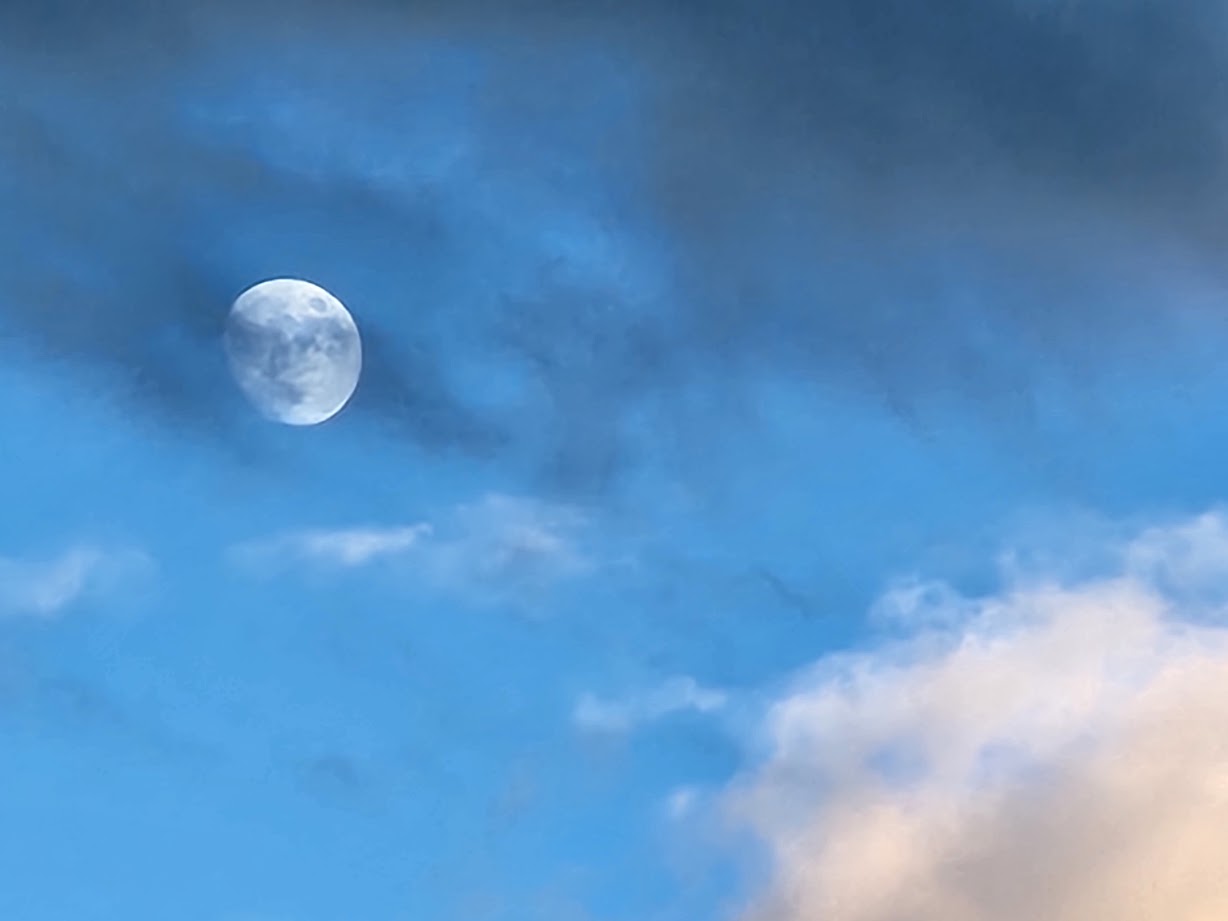
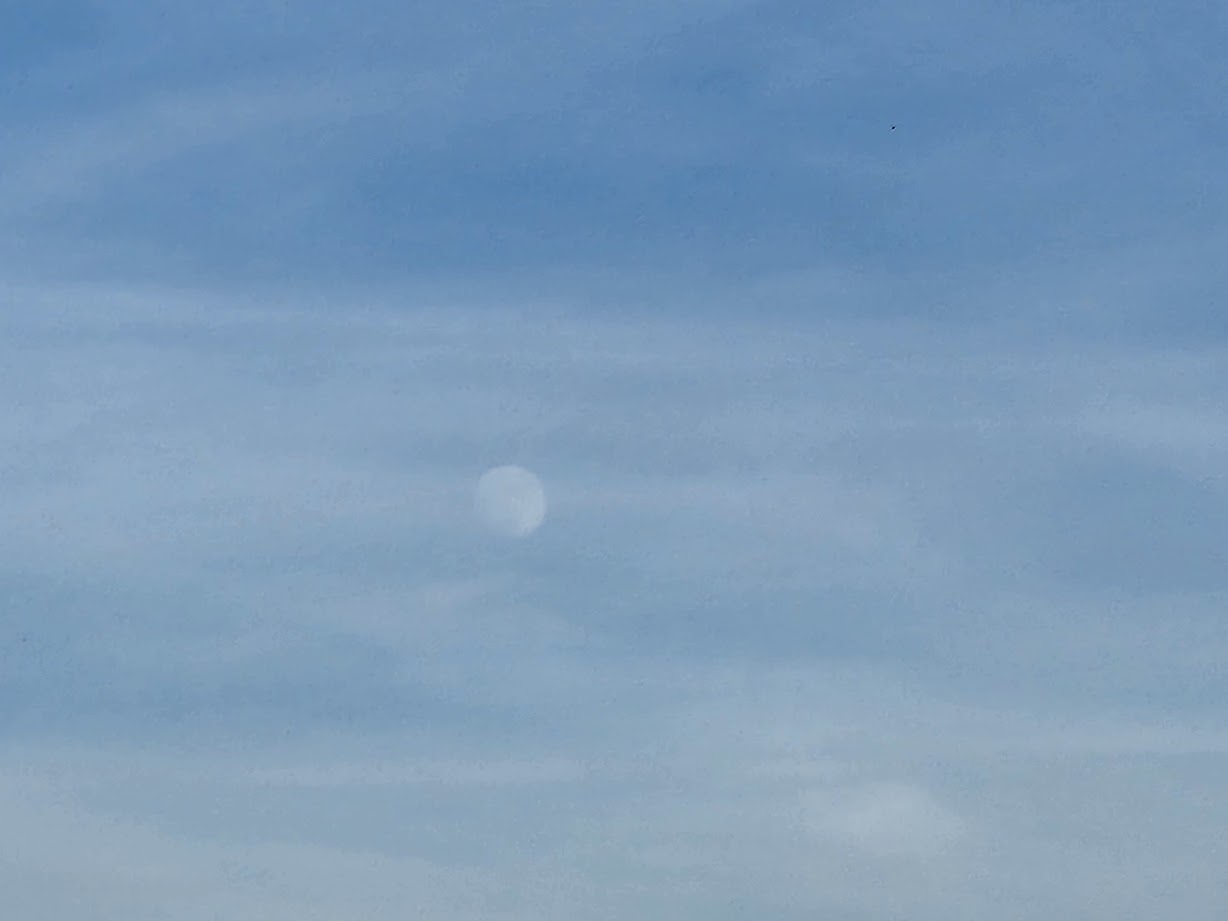
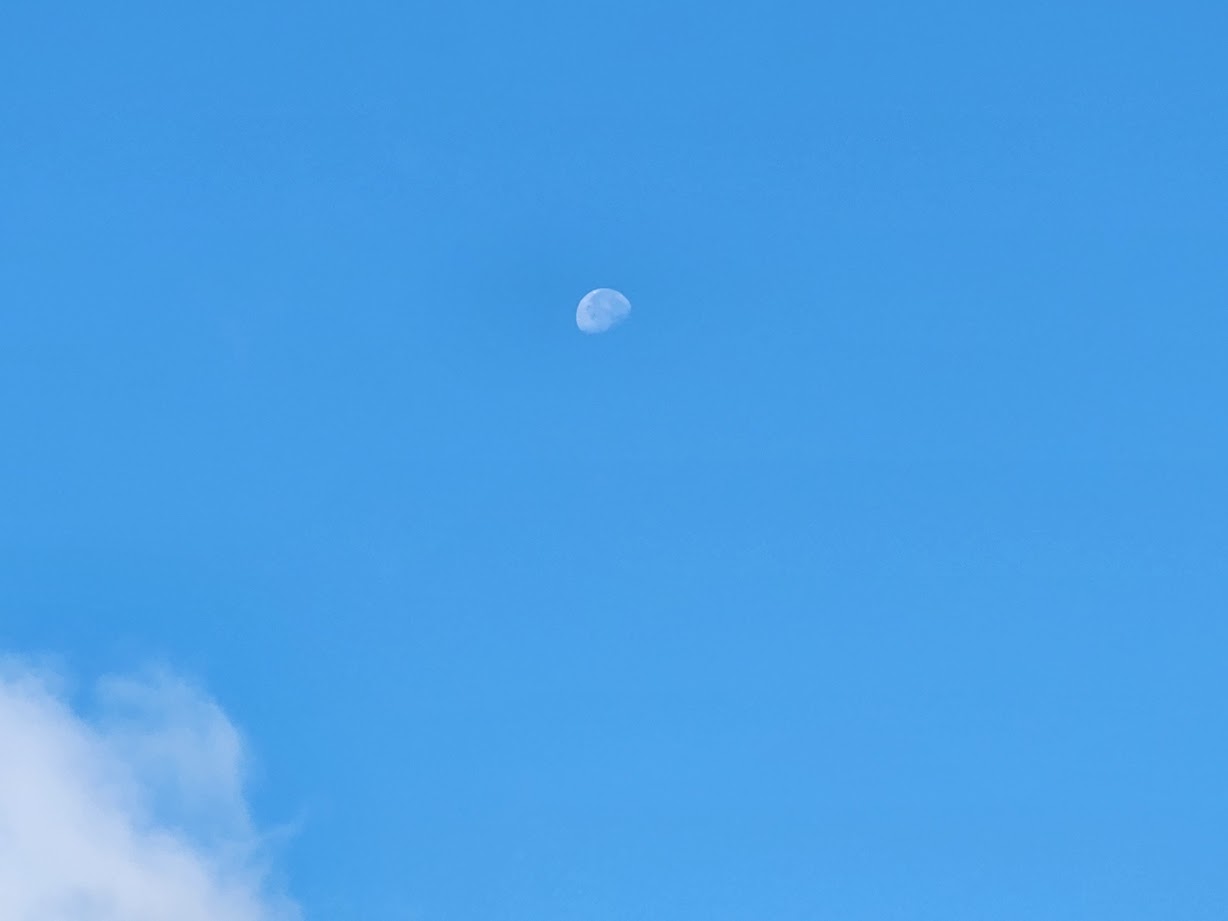
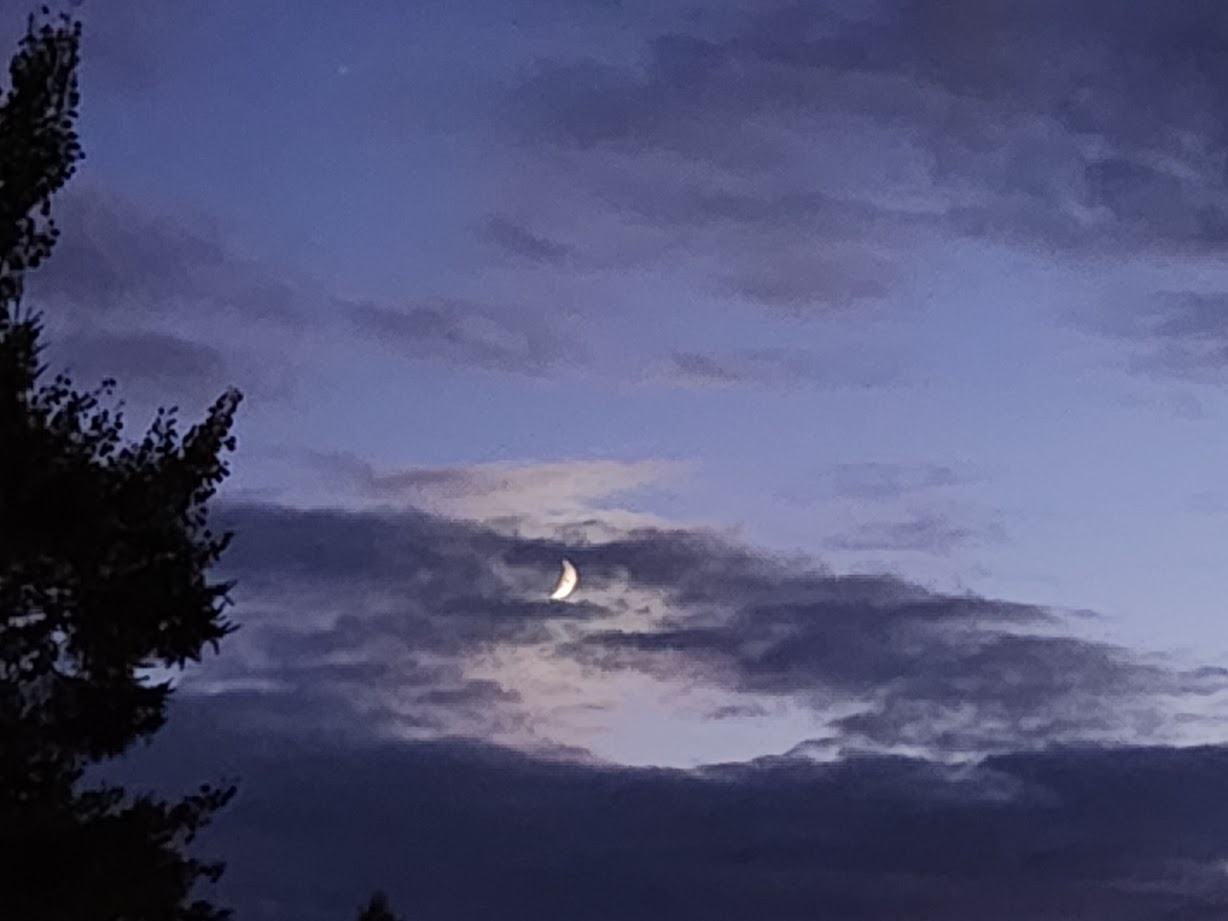
A sky with windswept clouds.

Life in general

In May, I reduced my intake of political content for my personal wellbeing. I couldn’t do a thing about any of it, anyway. My level of dysregulation was getting worse, and my capacity decreased with each ensuing day.

At work on the 4th, I received an enquiry from my director about how long my repayment period for my leave with income averaging would be, which to me meant that they were taking it into consideration for my departure date. I answered as best I could.

Then I was asked about what kind of recognition I wanted for the King Charles III Coronation Medal I received … in January 2025. I said I would prefer a group celebration including long service awards, etc. I don’t like being the centre of attention at the best of times. Why make a fuss more than a year after the fact?

On the 5th, my manager indicated she was waiting for some information about the voluntary departure program (VDP) and would like to meet with me the next day. I was in a pension information session on Wednesday and let her know my availability.

My director then scheduled three meetings for May 7, May 28, and June 18. I figured the first meeting would be about the VDP analysis and results, and the onset of the selection of employees for retention or layoff (SERLO) process, the next stage in workforce adjustment (WFA). Spoiler: I was wrong.

Turns out the VDP-related news my manager wanted to talk about on the 6th was to select my departure date. Which I did, again, to the best of my ability. And she indicated that she would now make the business case for exceptional circumstances. I thought that this would already have been done …

And the waiting resumed.

Also on the 6th, a boil water advisory was issued for Sudbury, New Sudbury, and Falconbridge. We found out after supper … and I had been drinking water all day. The spring flooding has likely overwhelmed a couple of water treatment plants. Public Health said the boil water advisory was only a precaution and that people probably wouldn’t get sick from drinking it.

The boil water advisory continued on the 7th and, while at work, I was asked whether I wanted to apply for the pension reduction waiver. Of course I did (!!!!!!) I wanted every financial advantage available to me.

At the all-staff meeting on the 7th, we were advised that letters including departure dates would start going out the next week, which I thought was odd given that my manager had just started making her business case for my desired departure date the day before …

On the 8th, after two negative tests, the boil water advisory was rescinded, and everyone was advised to run their taps for five minutes on cold and then five minutes on hot to clear any residual bacteria in the system.

Back at work, an email from senior management was issued on the 12th. Now that the early retirement incentive (ERI) had been approved, it complicated the WFA process. ERI was open to all employees, not just those who were affected by WFA, so they may have staff reductions in positions not affected. Also, it was open through to July 24th. There had been 600 ERI applications at the time. The second kicker was that ERI could be denied by management.

There had also been 470 employees (including me) who had opted into the voluntary departure program (VDP) on March 26th of a total desired reduction of 961. We had no idea how many of the 600 ERI applications would be approved and whether they would have any impact on the total number of positions that needed to be reduced overall.

In that same email, we were advised that letters confirming departure dates would not be issued until the week of May 25th. This made more sense to me but protracted my wait by two more weeks.

We had two meetings on the 13th regarding the email. Very little confirmation or additional information was provided.

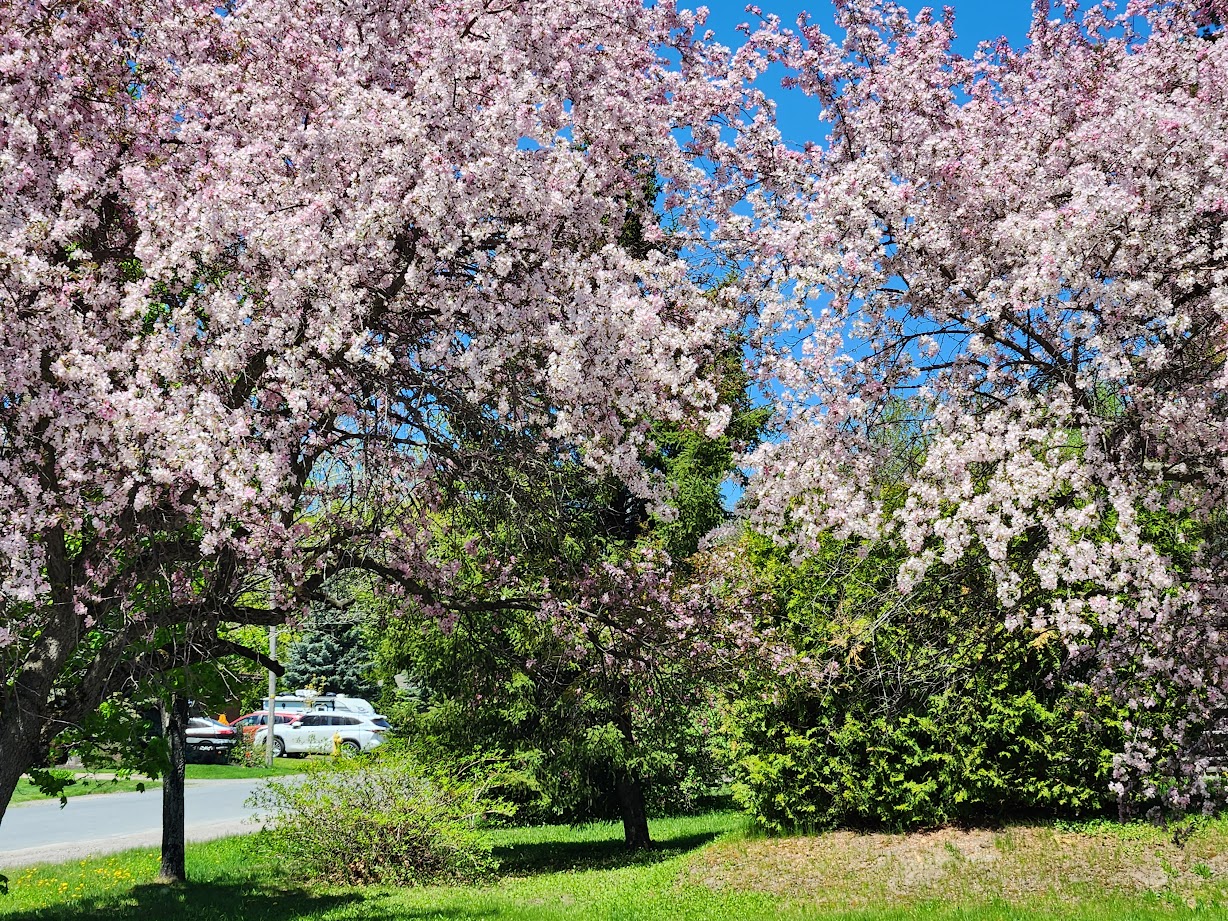
I’ll divert now to how March’s snowmageddon has delayed spring in northeastern Ontario. Normally, by Victoria Day long weekend, the leaves are out, and the pin cherry blossoms in the back yard are a riot of white. On my walks, I generally see varying shades of pink and red and white crab apple flowers. Apple trees blossom. Lilacs and honeysuckle are setting bloom, and everything smells heavenly.

By this time of spring, the windows have been open for weeks and I’ve been able to hear the frogs singing their mating songs in the nearby marsh in the evenings.

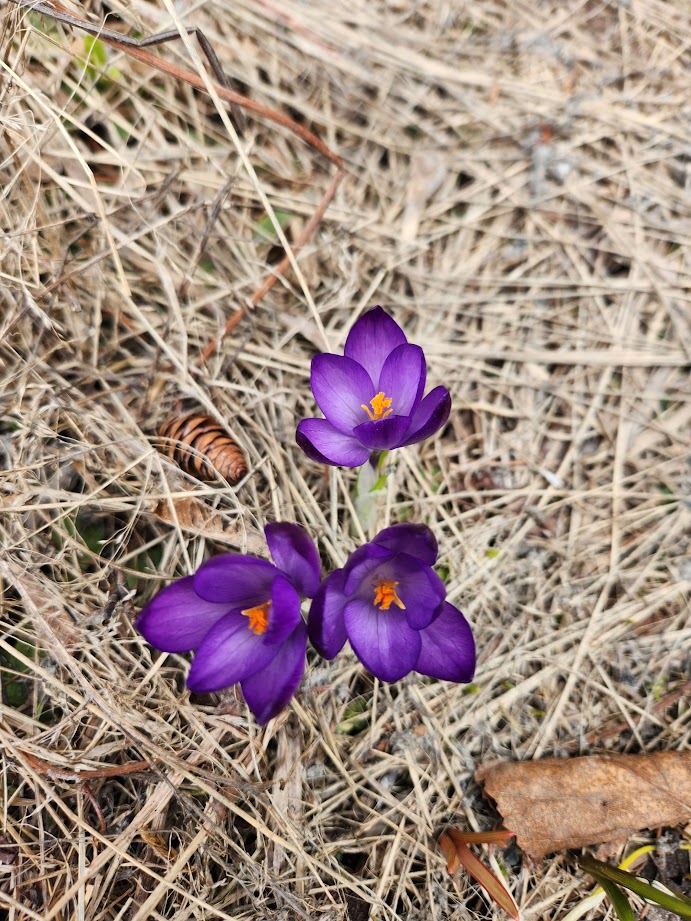
But this year, it was May 15th, the Friday before Victoria Day long weekend, and it was the first nice day we’d had. While the grass was busy greening, there was nary a leaf to be found. No flowers except for bulbs. It hadn’t been warm enough for long enough for the frogs to wake up.
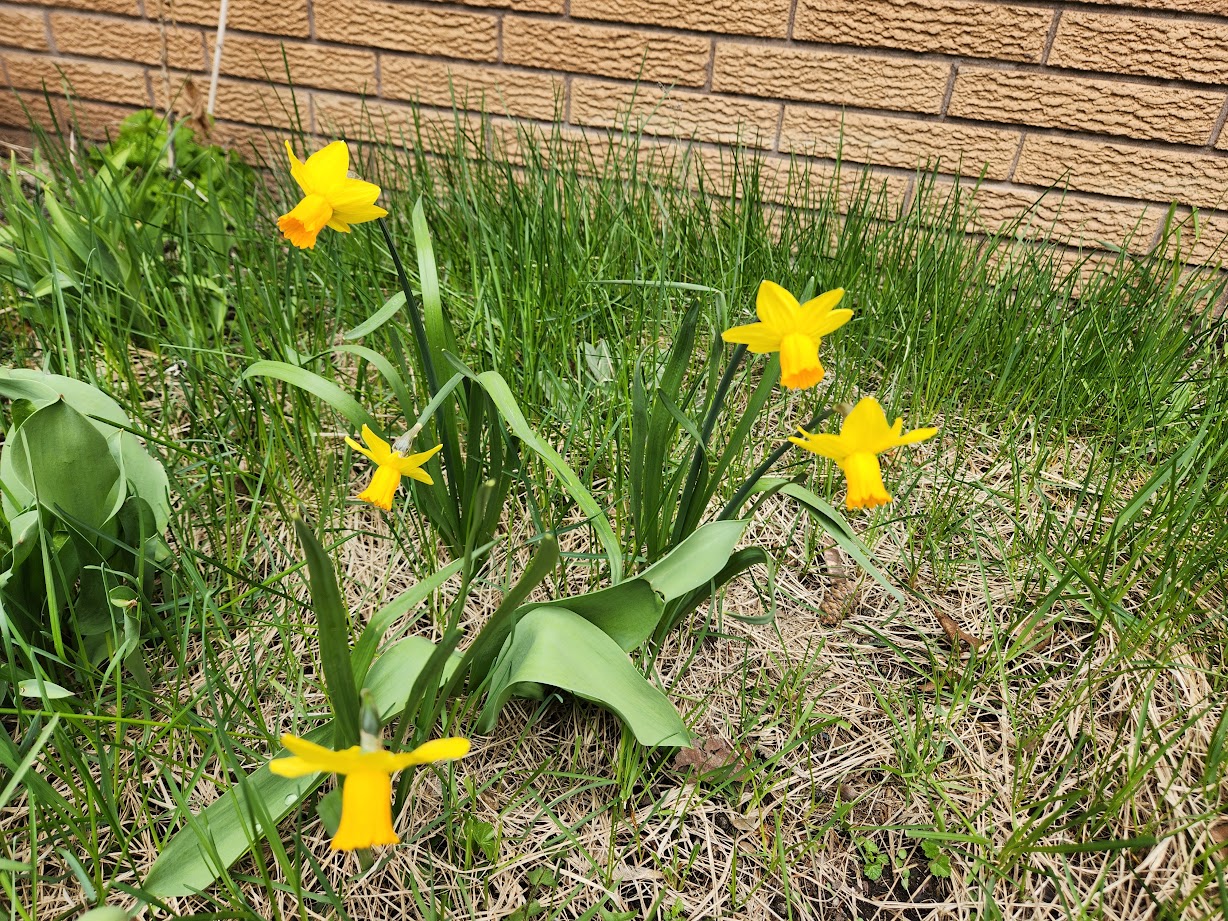
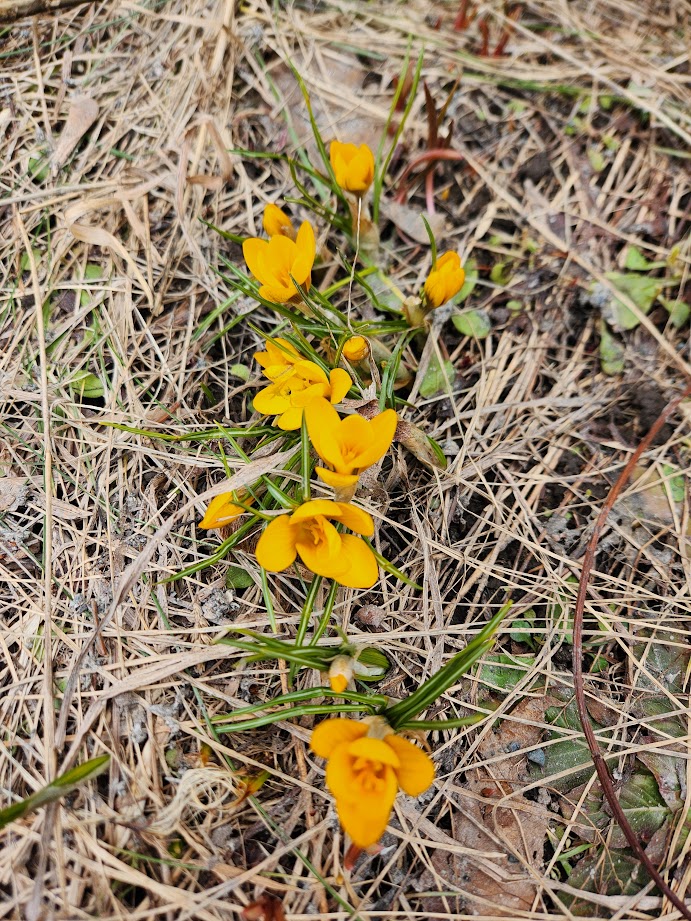
Torvi and I had been seeing rabbits over the past couple of weeks, though. At first, they were in their piebald transitional fur, but now they were fully brown. Our irrepressible rhubarb was still irrepressible.
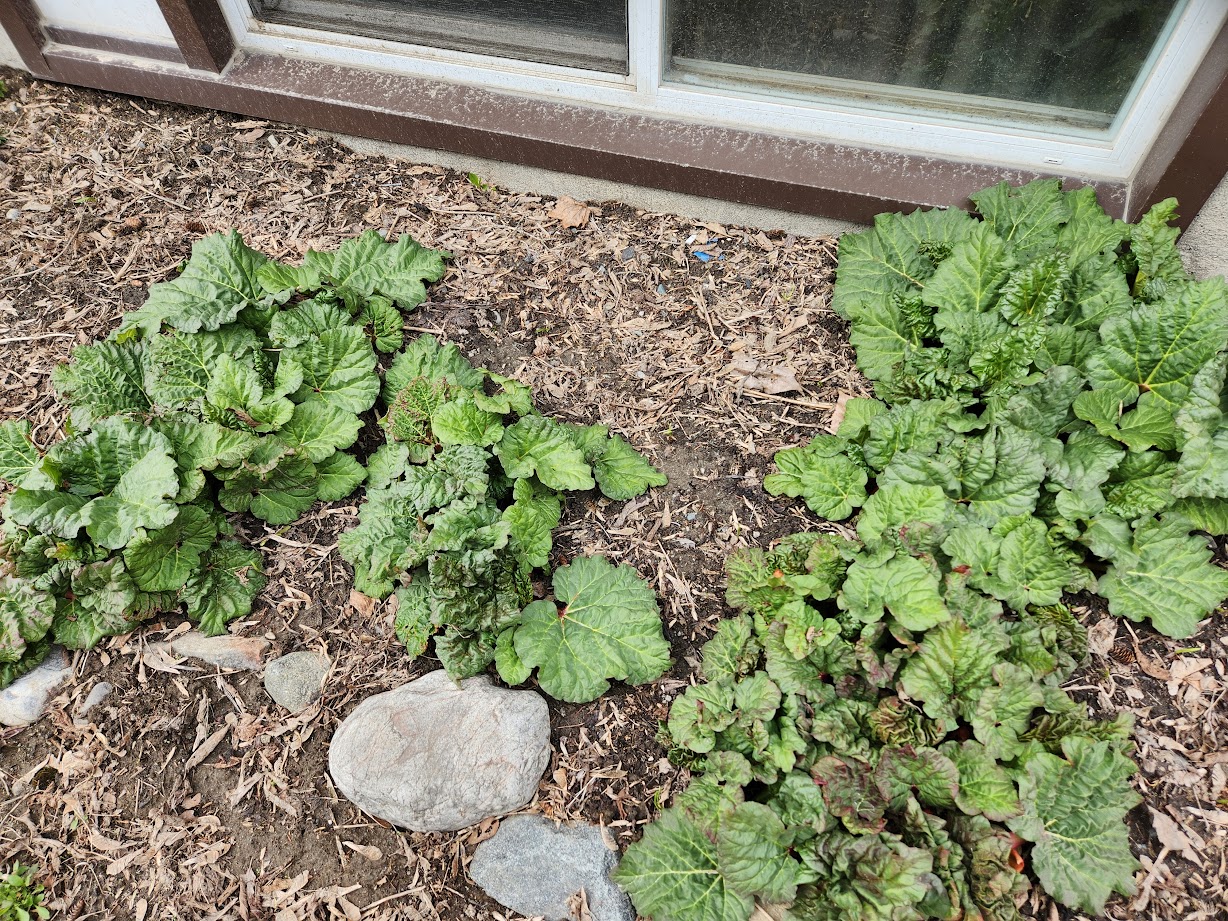
Rhubarb.

I hoped that the world would wake up and catch up. The weather was predicted to be seasonal (finally!) in the last weeks of May. But I worried about the bears. With such an overlong wintering, they’d be ravenous.

On Saturday, though, I was pleased to see the leaves emerging, and I heard the frogs singing! The astringent scent of poplar sap filled the air. By the final weekend of May, the spring tree blossoms were at the stage they normally would have been on the Victoria Day long weekend. We were only two weeks behind and the trees promised to make up the remaining difference in short order.


Work continued, I got new, short-term assignments to fill the time while I waited for my A project to be reviewed and approved by a client. I slipped into hyperfocus mode more often than not and had few, if any spoons left over at the end of the day.

On the 24th, I realized that I’d been doing the nervous system equivalent of holding my breath since I received the letter informing me that I was affected by WFA back in January. I’ve been waiting to exhale for four months. No wonder I was exhausted!

The 27th came and went without sign of a letter. The next division all-staff would be the next day. Were all the letters being issued on the morning of the 28th?

Not exactly. I logged in on the 28th to find that the scheduled division all-staff was rescheduled to June 1st. And I had a new meeting with my director about my VDP application.

Short version: My VDP was approved and I had my desired departure date of November 4th. My director said the letter should be issued by email following the meeting, she hoped by noon. All the details and instructions would be in it.

I felt very little during the meeting itself. Afterward, anxiety set in, the full-body buzzing-bee kind.

Noon came and went and an administrivial emergency cropped up. This was addressed by 3 pm.

The end of the day arrived and still no letter.

My intention had been to read through the letter, begin to frame my strategy, and then take the rest of the day and Friday off to process and recover.

Now I had to log in the next day.

The letter had arrived! I read the email, reviewed the three attachments, a bunch of related links, and started to work through the checklist. I started with an enquiry to the pension unit.

Then I checked through my particulars, updated some information, and submitted my departure request. I was supposed to attach two documents, but the system would only accept one.

So, I finally put in sick leave for the remainder of the day and logged out.

There was no relief. Not yet.

The month in writing

In the early days of the month, I focused on getting caught up on my reviews.

That was until the publisher of The Seaboard Review of Books announced that the publication was going on hiatus effective the 20th. They’d still publish the reviews they’d already received, and that were due to be received, but they were not looking for more reviewers and were suspending their new fiction edition.

But by then, my energy had petered out, and I was running on fumes. It was a good day if I managed a sentence or maybe a paragraph (and most of those were on this document, which is basic reporting). Now I was on hiatus. Functional burnout is a bitch.

My review of Joe Mahoney’s A Time and a Place was published by The Seaboard Review of Books in their Throwback Thursday feature on the 14th.
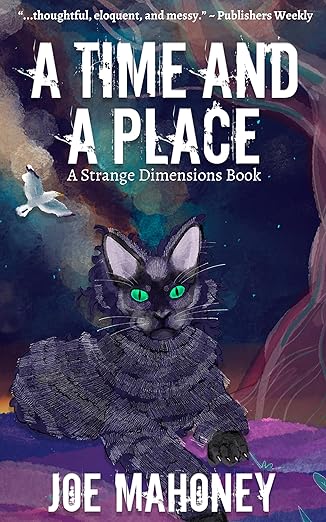
The cover of A Time and a Place by Joe Mahoney.

On the 18th, Mat Del Papa and I recorded an episode of Holly Gutwillinger’s podcast, Ramblings from the Little Shed. We had fun chatting about our pets and SuperCanucks. I’ll let you know when the episode comes out.

My Throwback Thursday review of Scott Overton’s Dead Air was published on the 21st.
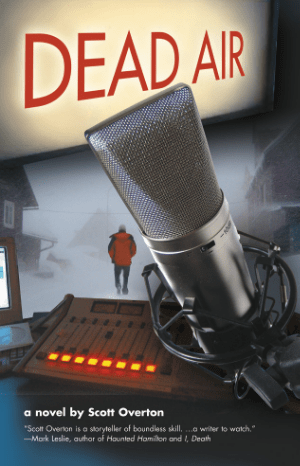
The cover of Dead Air by Scott Overton.

My review of J.A. McLachlan’s The Sorrow Stone was TSRB Throwback Thursday review on the 28th.
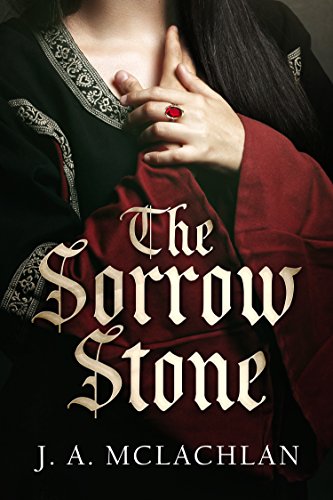
The cover of The Sorrow Stone by J.A. McLachlan.

In writerly business, the TWUC Pre-AGM was on the 21st followed a week later by the AGM. The perennial topic of older, more financially secure members uncomfortable with change wanting an in-person AGM and conference, or at least a hybrid option, raised its gory head again. The issue was resolved during the pre-AGM meeting and the motion withdrawn. The AGM went smoothly.

I had scheduled an SF Canada Board meeting for the 31st but with the receipt of my voluntary departure approval and departure date (and the associated difficulties starting the process with pensions and pay and all that) I was so dysregulated that I forgot about the meeting altogether. Rejection sensitive dysphoria set in and I flagellated myself for the rest of the evening.

Filling the well

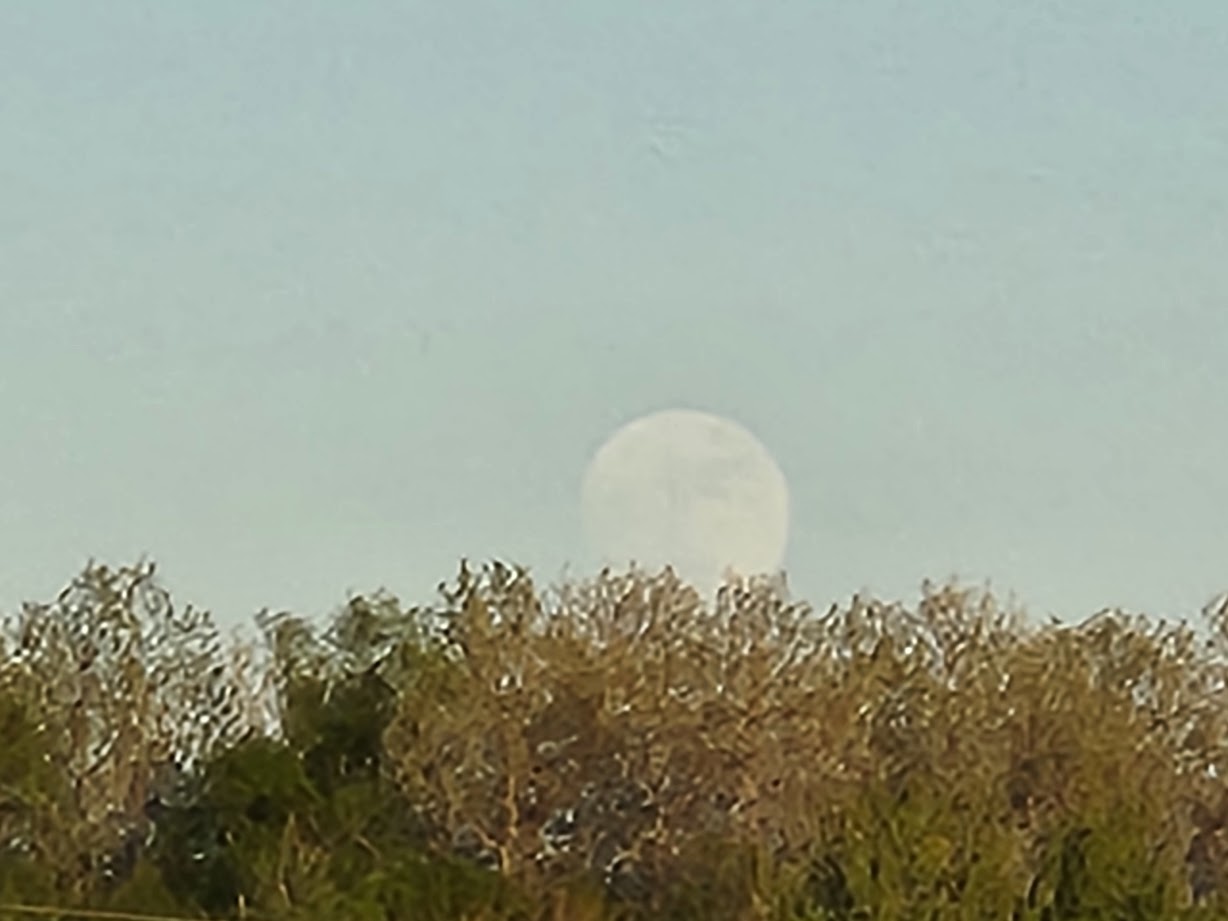
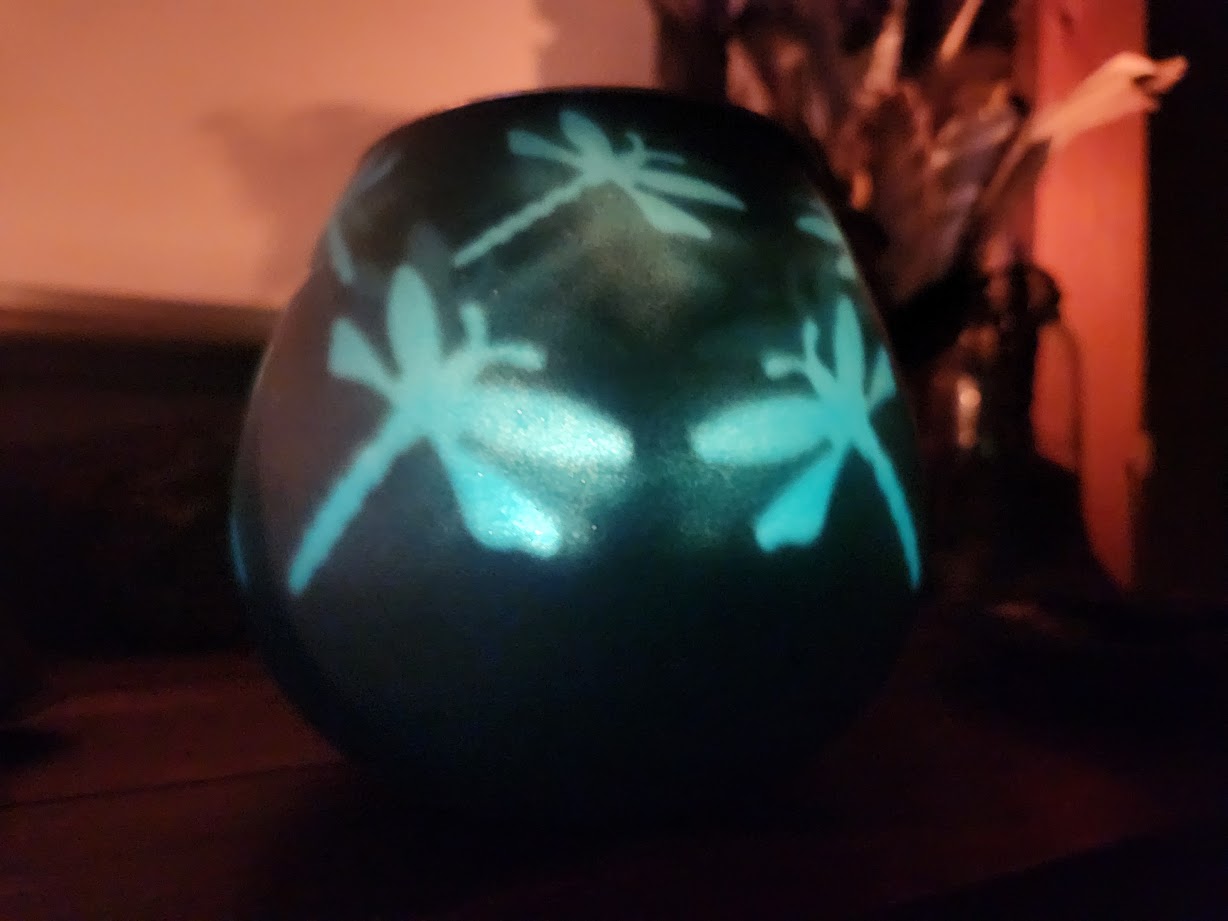
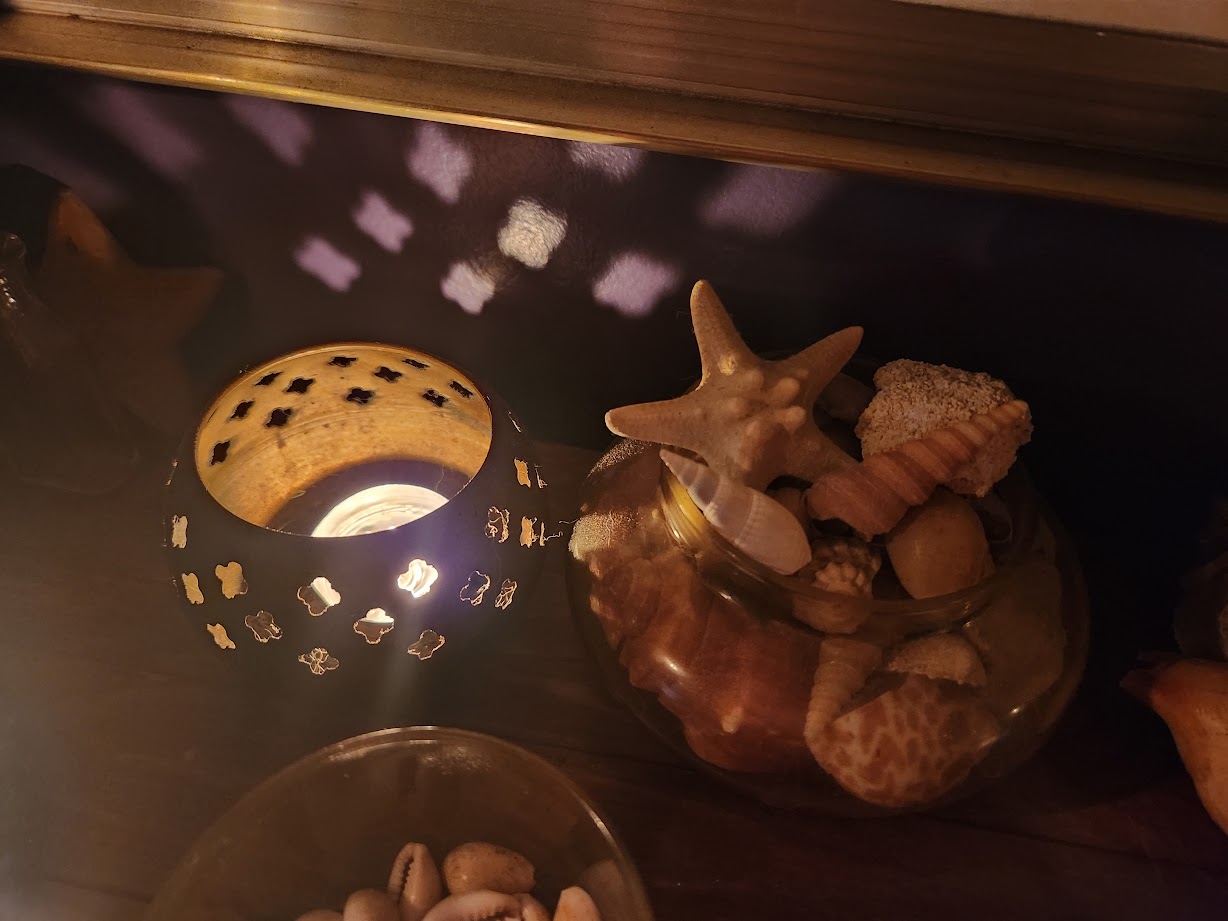
The full flower moon in Scorpio was on the 1st, also Bealtaine! It was a cold, rain-snowy day, but I lit up my altar. Bonus, the last of March’s snowmageddon snow was finally melting!
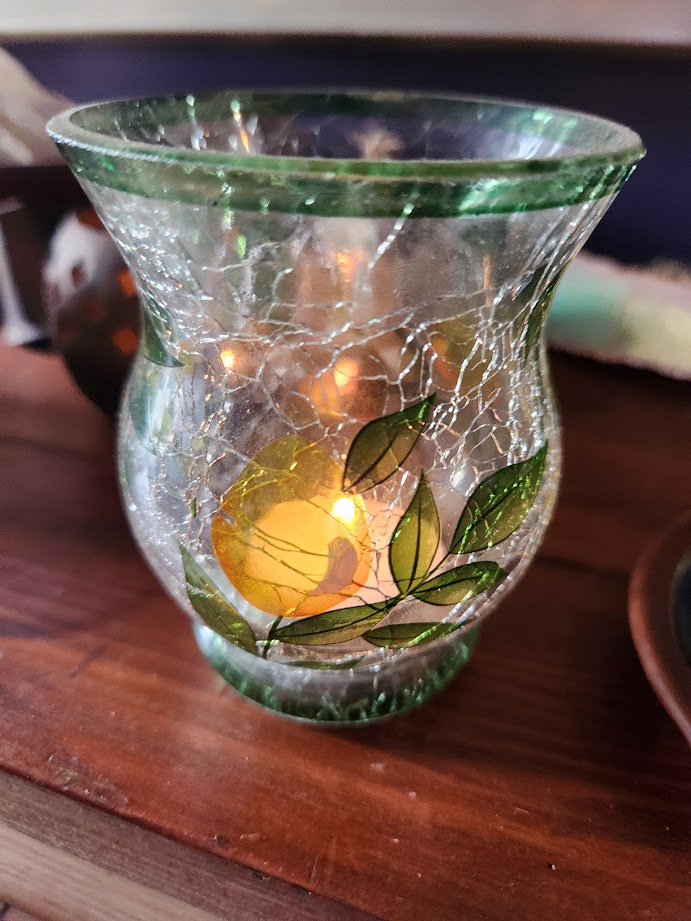
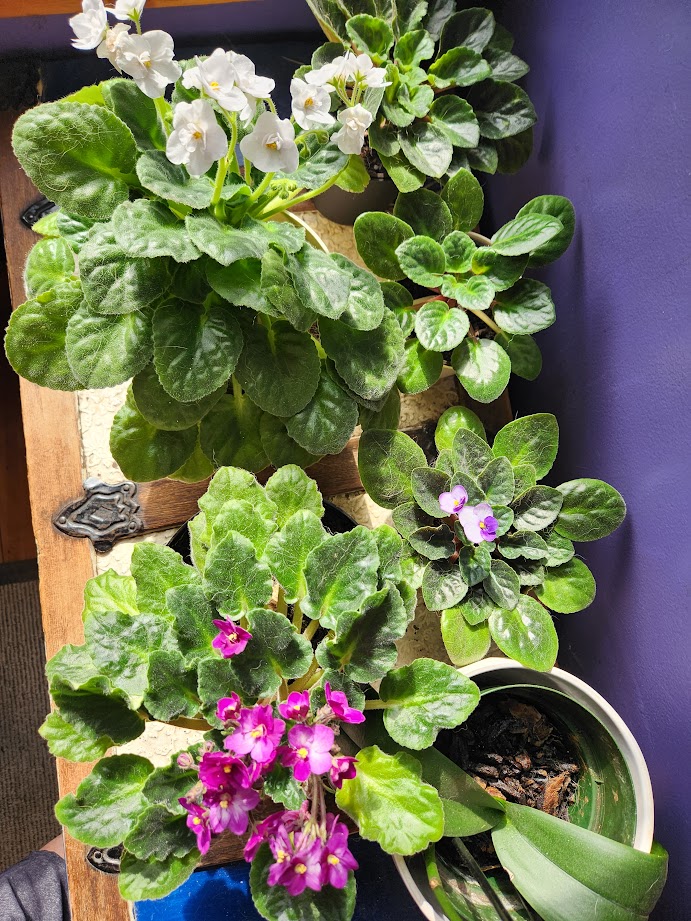
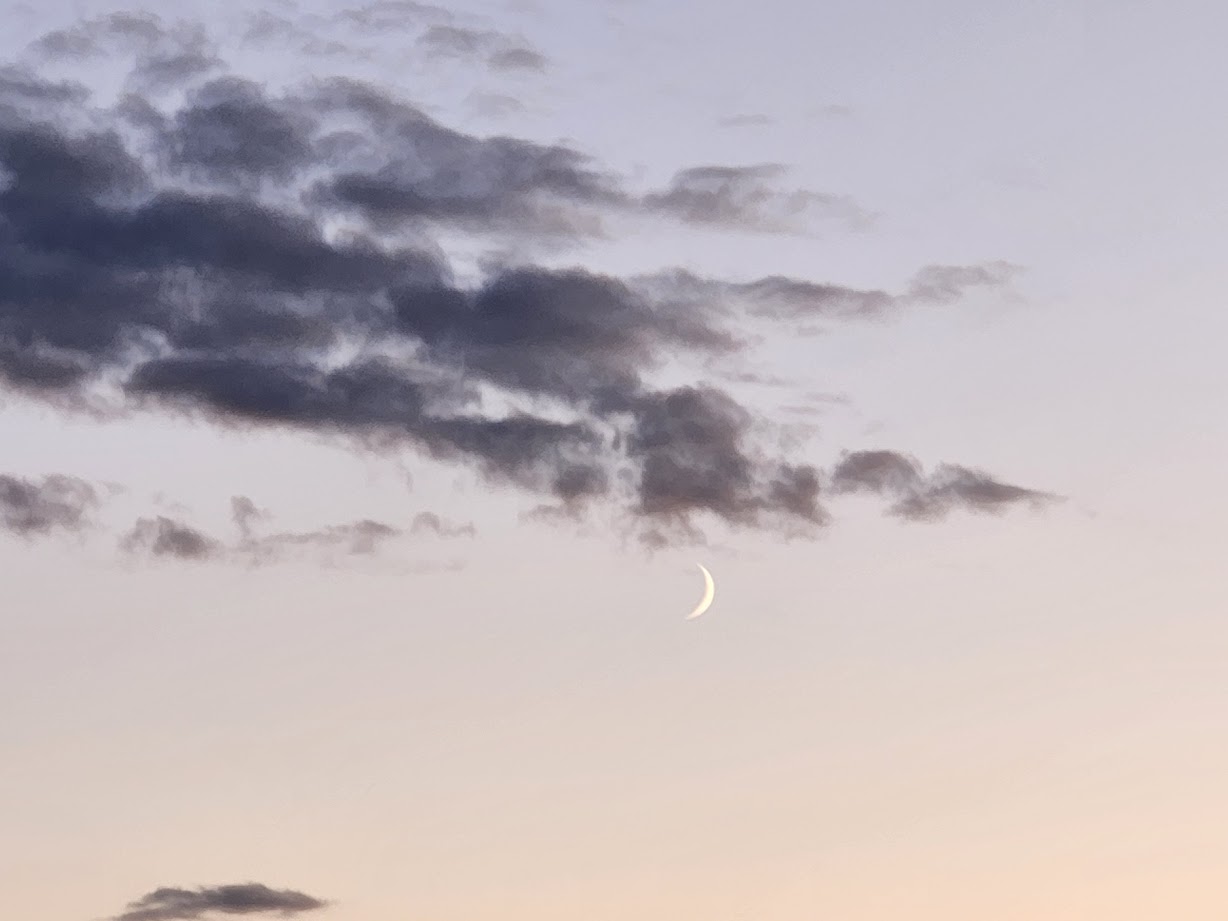
The new willow moon in Taurus was on the 16th. We were still in a spate of cloudy, cooler-than-seasonal days.


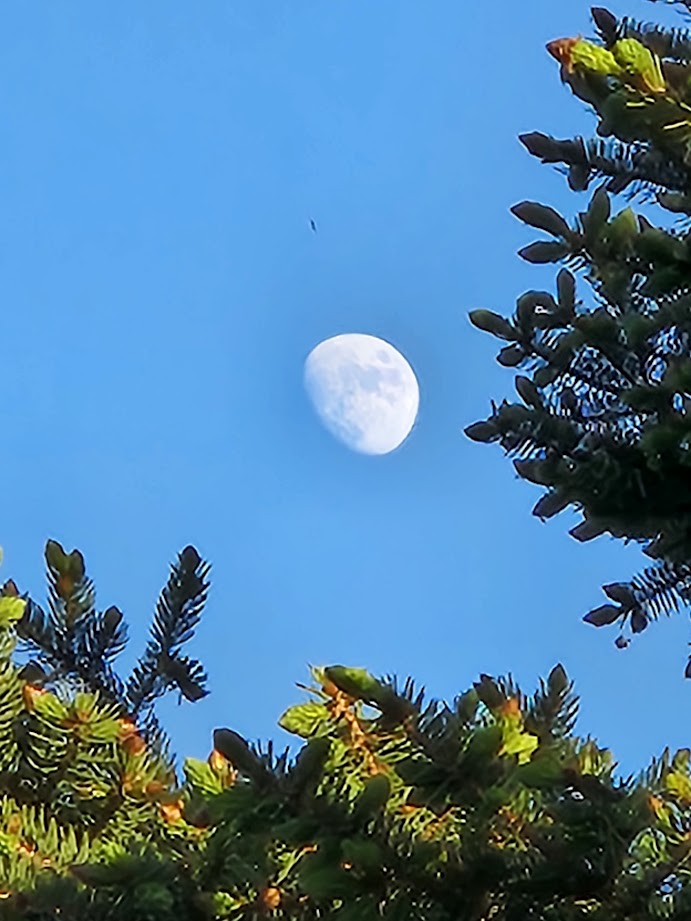
And the full blue moon in Sagittarius was on the 31st. It was a howl-worthy moon!

In terms of writerly events, I registered for Turning Premise into Plot with Courtney Maum through Jane Friedman on the 2nd but watched the replay. Excellent!

The Canadian Artists Network (CAN) Summit was on the 13th and 14th. Because of work and other obligations, I waited and watched the replays.

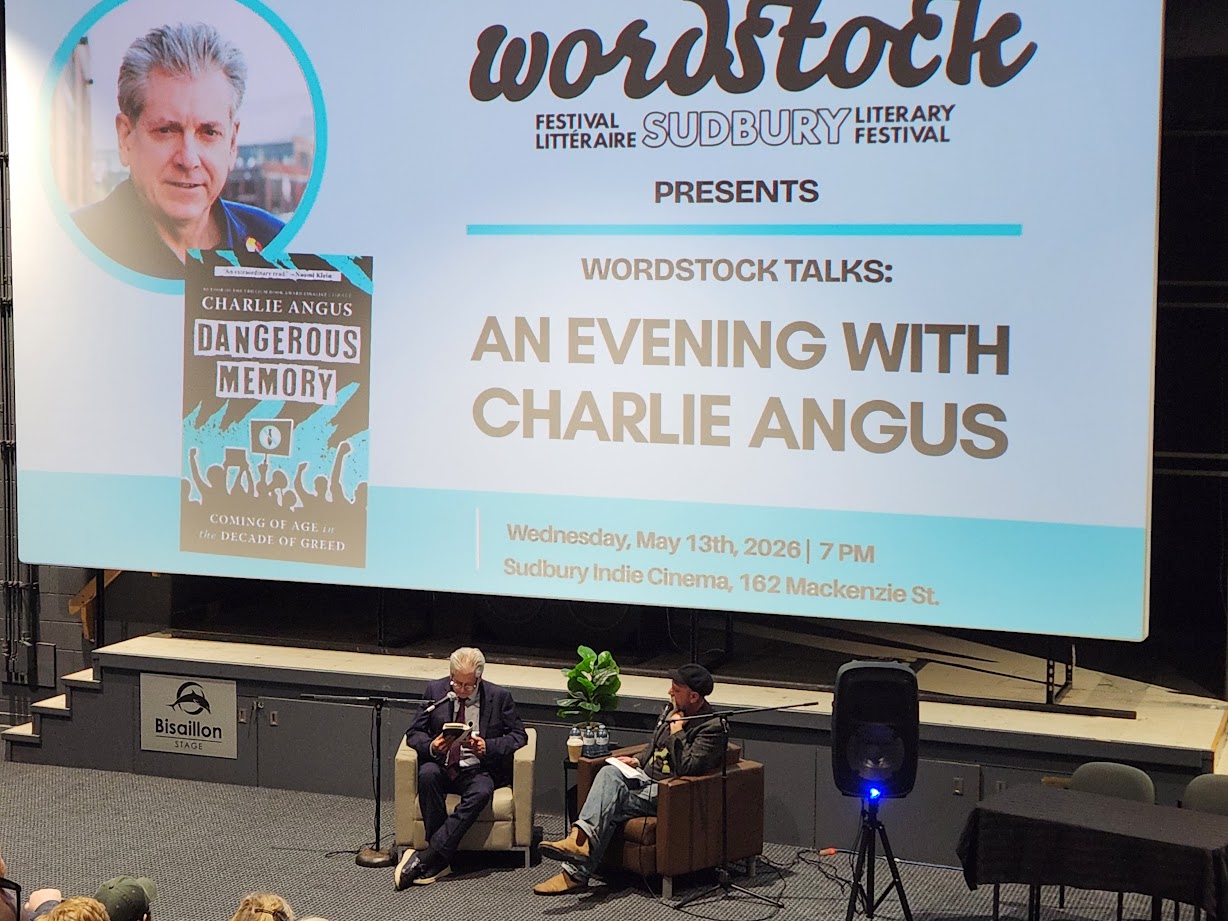
Also on the 13th was an evening with Charlie Angus, a Wordstock fundraiser. It was a great night, a great talk, and I got to see a bunch of local writerly friends. I bought a copy of the book, natch, and got it signed by the author. Charlie was looking a bit tired though, so I didn’t go all fangirl on him and tell him that I subscribed to his Substack or that I was currently reading his wife’s book, The Haunting of Modesto O’Brien. Lost opportunities.
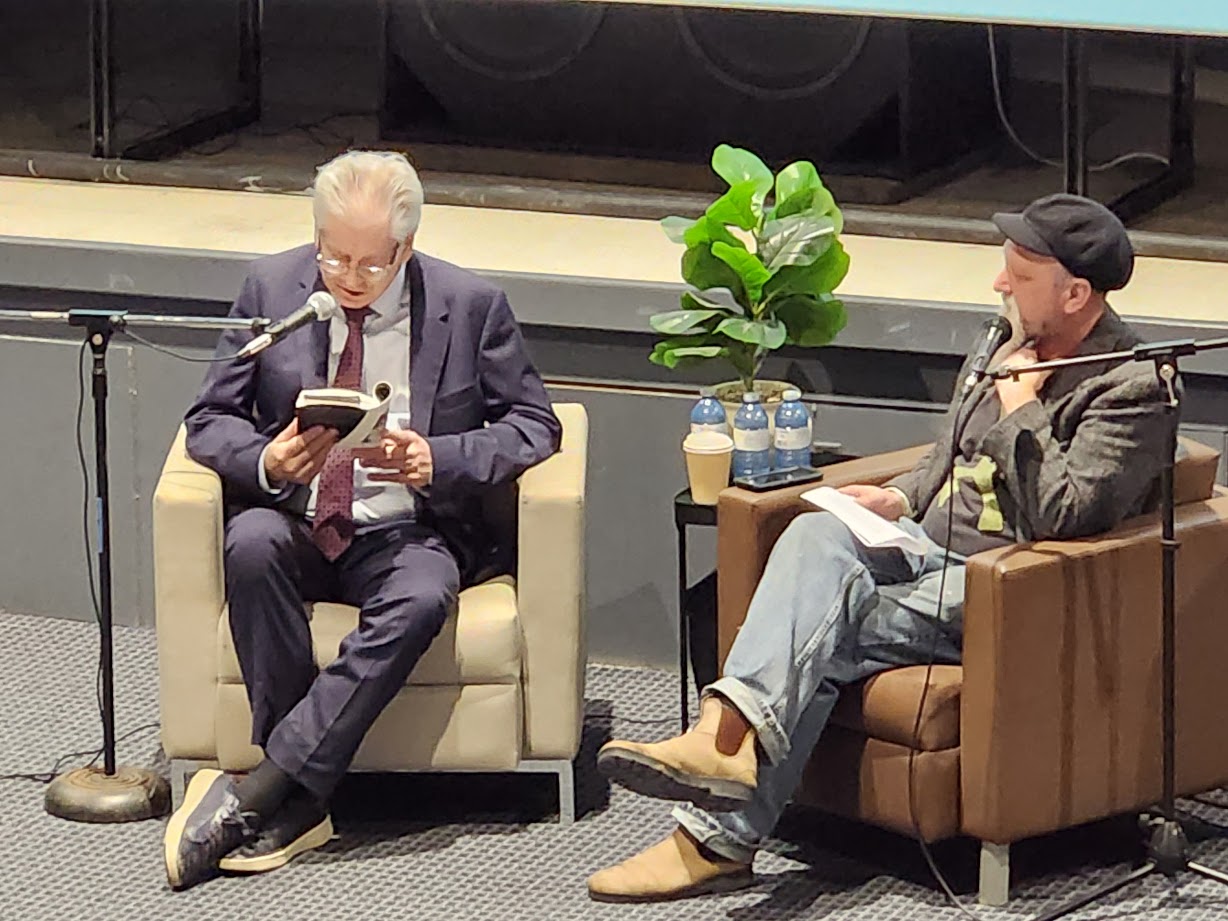
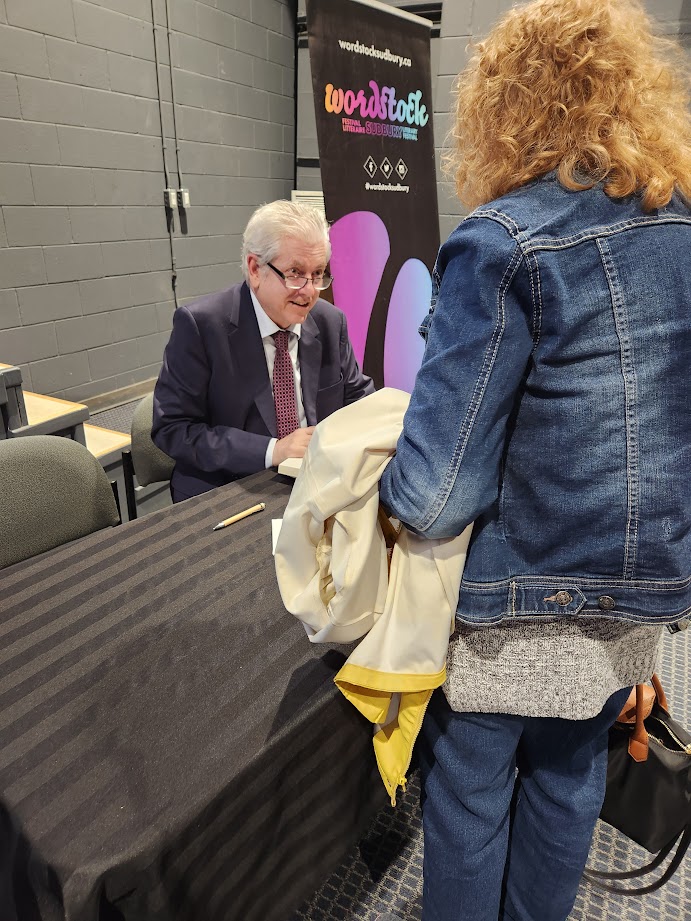
Had to recover after.

SF Book Recommendations with Elizabeth Bear was also on the 13th, but the recording would be posted. I watched it later that night. Again, a great selection of books, old and new, some of which I’d read, and some not.

On the 14th, the Banff Centre hosted an information session on their programming. As I’m hoping to apply for one of their programs in February 2027, I wanted to see if I could get an insider perspective. Unfortunately, it wasn’t terribly informative and didn’t include the program I wanted to apply for.

Because I had to miss the Sudbury launch of Seldom Seen Road by John Degan on the 8th (because work), I caught him at his Indigo signing on the 16th. I introduced myself and proceeded to talk his ear off for the next 20 minutes. He looked bemused, but the mask was off and he got full force Mellie.
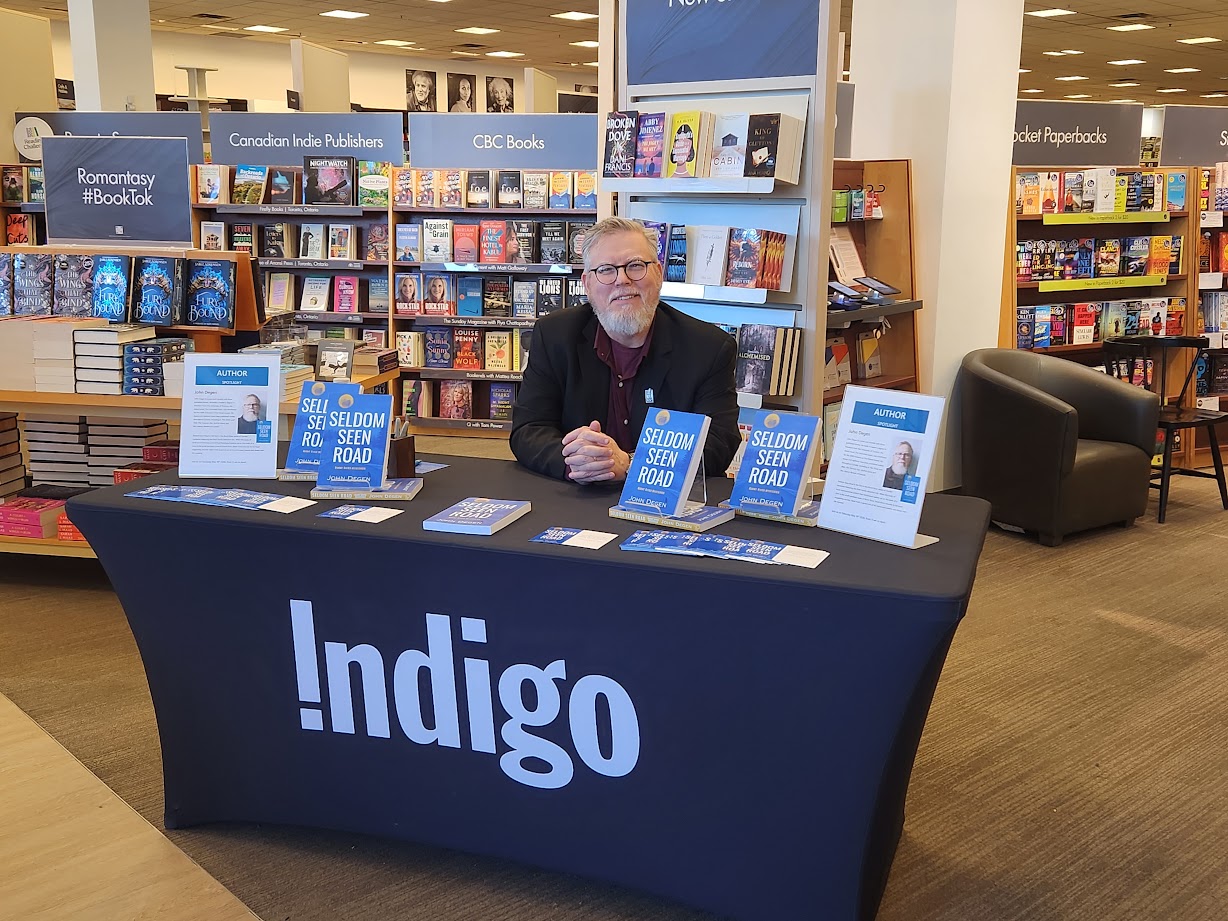
John Degen at Indigo Sudbury.

Another recovery.

I signed up for “Abandon Your Outline and Elevate Your Story” presented by Steven James through Jane Friedman on the 20th. I watched the replay. Revelations (!) I’m learning that I am a pantser, or discovery writer, first and foremost. My every attempt to outline (even retroactively) has met with failure.

Related:

When I watched Shaelin’s video on how to write book without outlining it: structure, crafting a strong draft, and mindset, it only reinforced what I’d learned in the webinar. It’s all part of my quest to design a creative process that works with my neurodivergence rather than against it.

It’s one of my missions this year.

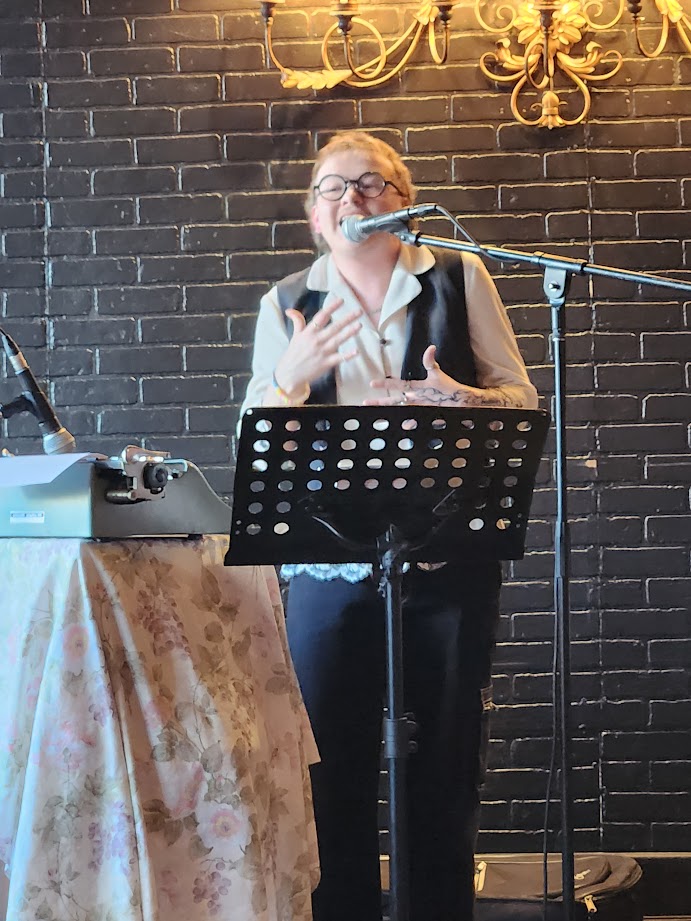
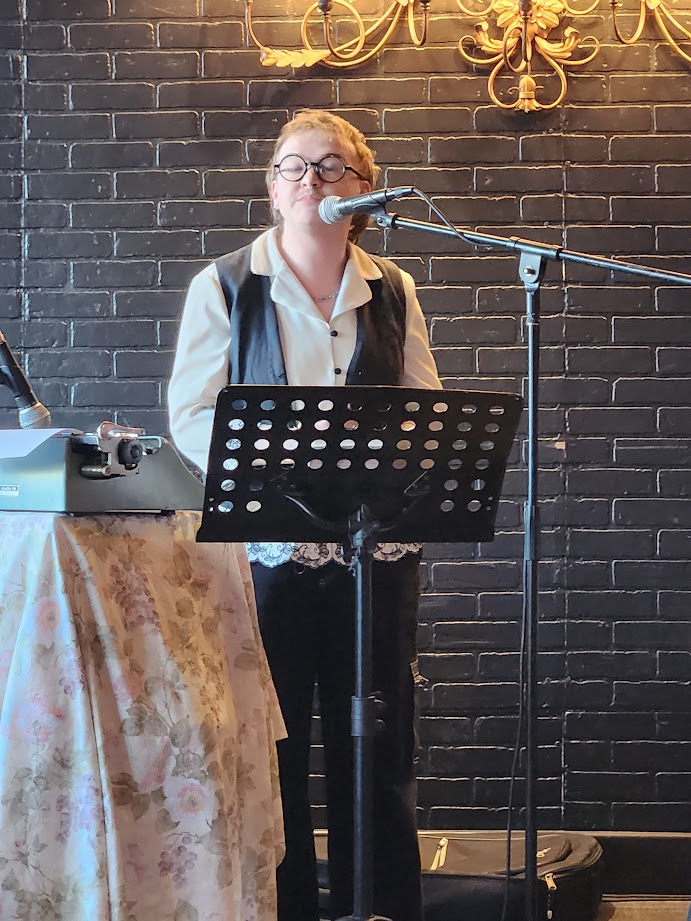
I attended the launch of Blaine Thornton’s Here’s to Letting Go on the 22nd. It was a fabulous evening, and Blaine teamed up with a musician and a typewriter to stage their performance.
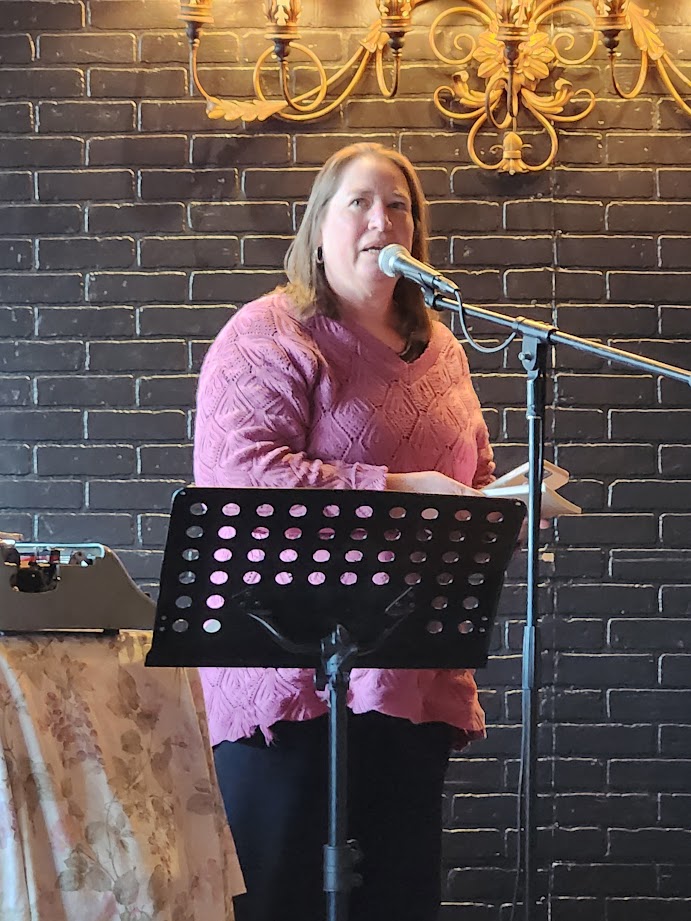
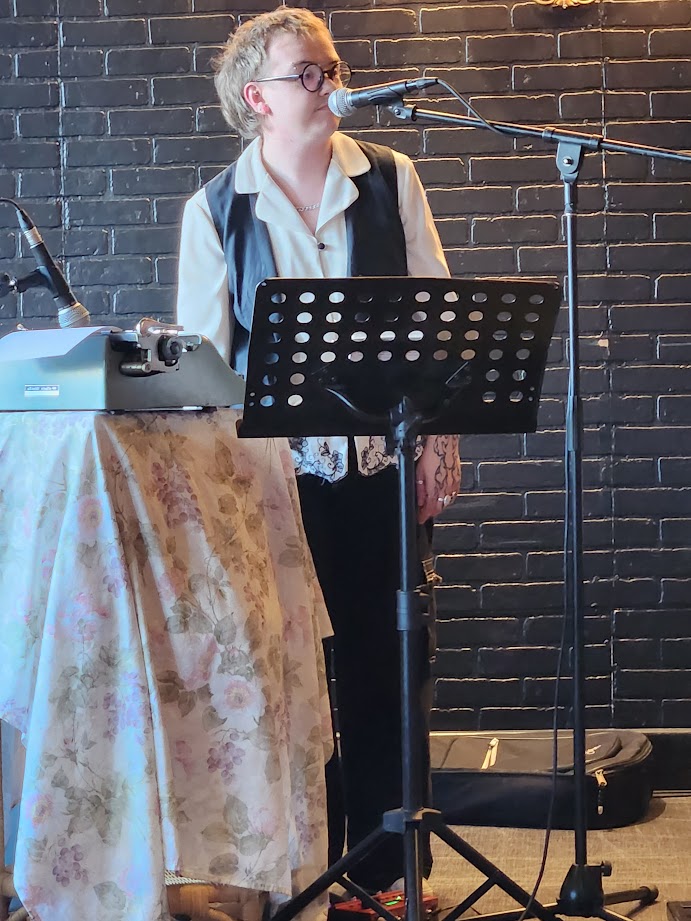
Recovery, again.

Then, on the 25th, I registered for an Off-Topic Publishing webinar (follow them on Eventbright and you’ll be notified when a new offering is made) on “End-stops and enjambment: playing with line breaks in poetry” with Marian Lougheed. It was short and sweet and hit the spot.

On the 27th, I registered for a Canadian Authors Association/SF Canada webinar, “How to transition from writing to podcasting” presented by Costi Gurgu. Again, managing spoons, I wanted to watch the replay, but the replay of the last CAA/SFC webinar I’d registered for still hadn’t been posted to either the CAA site or on their Circle platform, even though there is a section devoted to video and promising to host the webinars …

Also on the 27th, I signed up for “Showing and Telling” with Tiffany Yates Martin through Jane Friedman. I can depend on Jane to provide the replay in a timely manner. This was one of the better webinars on the topic with lots of practical examples from popular novels on how and when to show and how and when to show.

Finally, I registered for “Accommodate Yourself: How to Build a Writing Process that Works for You” presented by Weeknight Writers. It was part of a conference, but after all the events (online and in person) I’d attended this month, I had to conserve my spoons and just chose the session I was truly interested in. It was great, and my registration got me access to the whole event! I’ll be catching up on all the sessions when I have the spoons.

Finnish classes continued on Monday evenings throughout the month, though I missed the one on Victoria Day Monday because I was recording a podcast (see: The month in writing).

I took my mom for a hair appointment on the 9th. It was her first since snowmageddon, and her hair was super long, but she managed the stairs like a champ.

Recovery.

My next therapy appointment was on the 14th. We started framing our work together (recovering from burnout, mitigating future burnout, managing my current major transitions – workforce adjustment and caregiving – creating a life that works with my neurodivergence rather than against it).

Recovery.

On the 21st, my support group met. This month’s topic was relationships.

And on the 23rd, I took my mom to visit a friend of hers.

Recovery.

Friends visited from out of town on the 30th. Great visit. Much needed.

Still had to recover.

I’m finding that in my current state, if I do anything other than work in a day, or anything other than my rituals and planned activities on a weekend, it dysregulates, and I have to take extra time to myself.

What I’m watching and reading

The first full week of May was finale week for several shows.

My first watch of May was the second (and last) season of Watson (CBS/Global). This reimagining of Sherlock Holmes features Watson as a Black geneticist and takes place after Holmes and Moriarty apparently die after they plunge over Reichenbach Falls. Watson survives his attempt to save Holmes but has suffered a traumatic brain injury (TBI). Holmes bequeaths Watson enough money to start a clinic, which he does in Pittsburgh. At the Holmes Clinic for Diagnostic Medicine, Watson and four brilliant interns solve medical mysteries, while figures from Watson’s past return to complicate matters.

In season one, Moriarty plots to undermine Watson. In season two, Holmes himself returns, but asks that Watson keep his existence a secret. When it’s revealed later in the season that Watson has a glioblastoma and is hallucinating Holmes, it brings into question Holmes survival. The remainder of the season, though packed with twisty drama, was hastily brought to a close in the final episode. Yes, the series was cancelled.

Then, I watched the season 8 finale of The Rookie (ABC/CTV). Nolan and the LAPD started the season in Prague with a joint FBI and Interpol op. Nolan and Bailey had the unenviable task of minding Monica. The President visits LA, and Tim takes over as watch commander as Grey is working with the LAPD/FBI Taskforce with Garza. Wesley decides to run for DA. Bailey takes a position in DC, and she and Nolan navigate a long-distance relationship. Lucy takes dire action while trapped with a bunch of deranged and violent people. Liam Glasser, a serial killer, plagues the LAPD throughout the season. Monica’s story comes to a tragic end. Tim proposes to Lucy and then the season-ending cliffhanger leaves them both in peril. This series continues to be entertaining, even if the events are increasingly improbable.

The next finale was season 4 of Will Trent (ABC/CTV). Serial killer James Ulster may be dead, but he still haunts Will (as an aspect of Will’s psyche). Will’s uncle Antonio is abducted and then Will shares the same fate, drawn in by Adelaide, Ulster’s daughter. As other crimes are solved, Will recovers and continues to search for Adelaide, finally finding her and rescuing Antonio, but he is unable to prevent Amanda Wagner’s death. The finale itself was devastating, though ultimately hopeful, as Will, Faith, Angie, Ormewood, and Franklin unite despite their losses and prepare to take down a human trafficking ring. Looking forward to season 5!

Then, Grey’s Anatomy (ABC/CTV) finished its 22nd (!) season. The season began with a literal bang as an explosion rocked the hospital and injured Linc. Various couples came together and fell apart, as they always do, and the season ended with a bridge collapsing. It was the usual soap-y goodness that keeps me coming back.

I finished watching the second season of The Last Thing He Told Me (Apple TV). I haven’t read the book the series was based on and … I confess I didn’t think the show needed a second season. It did complete the story and Hannah and Bailey do get more agency. Things do sort themselves out and the family is able to reunite and live their lives in relative peace. It was okay.

Next, I watch The Punisher: One Last Kill (Disney +). I haven’t watched the series, but I know the story. In this … final … chapter, while crime still infects the city around him, including a group of young bullies who take an unhoused man’s dog and throw it in front of a truck (I already want Frank to kill these fucks), Frank is still haunted by the ghosts of his friends and family. He contemplates unaliving himself but can’t go through with it. Then, Ma Gnucci, whose entire family Frank killed, shows up and tells Frank that she’s issued a bounty for him and told all comers to head to his address. The rest of the hour is bloody chaos as Frank fights his way out of the hotel and into the street where, rather than pursuing the assassins, he moves to save the innocent bystanders. In the end, Frank dons his skull shirt and continues his quest, starting with the bullies still harassing the bereaved unhoused man.

Phil and I watched the finale of Good Omens (Prime). It was sad that the “he-who-must-not-be-named” issues caused what should have been a full third season to be squished into a movie. The acting is still brilliant, and they did a really good job for such a compressed timeframe. Our star-crossed lovers get their happy ending, though. I won’t spoil anything because I think it’s worth watching if you love Good Omens and Pratchett’s legacy.

Phil and I also watched the final season of The Boys (Prime). It was a fitting, but somewhat open-ended climax and denouement. Hughie, Mother’s Milk, and Frenchie are all in a concentration camp at the beginning of the season. Annie is on the run and working with A-Train and Marie, Jordan, and Emma (from Gen V) to undermine Vaught and Homelander with guerilla tactics. Kimiko was actually so irritating at the camp that she was sent away but she escapes to join the gang when Butcher, Annie, and A-Train stage an escape. Frenchie works with Dr. Shah to perfect a virus that will kill any supe. Meanwhile, Homelander has delusions of godhood and is determined to get his hands on the last of the V1, the version of the drug given to Soldier Boy, so he can become immortal. Things get out of hand, as they always do, main characters die, and everyone gets their just desserts in the end, but Vaught is still around and trying to put together another corporate super team … Bloody diabolical!

Then, I watched Remarkably Bright Creatures (Netflix). My heart! Haven’t read the book yet, but this movie was everything. Two people deeply wounded by loss enter each other’s orbits seemingly by chance, and a wise, old octopus holds the key to healing their hearts. You will cry. In a good way. A balm of a movie. Watch it!

Finally, I finished watching season 2 of the prequel series The Bad Guys (Netflix). They suffer a weird case of amnesia, compete over who can refrain from doing crime the longest, are taken in by a scam by Snake’s mother Sepentina, visited by Wolf’s mentor D.B. Cougar, are challenged by a copycat crew, have AI troubles, almost lose their streak when Shark goes rogue to vanquish an old nemesis, are taken into custody by Tanya Ripper, who, after catching every criminal, sets her sights on every minor misdemeanor, and finally escape and turn the tables on Ripper, freeing the city. This continues to be an entertaining series.


My first listen of May was The Salvage Crew by Yudhanjaya Wijeratne. AI overseer Amber Rose was once human, loves reciting and composing poetry in its spare time, is kind of Buddhist, and will try to use the strategy game go as a learning opportunity for its human crew. It’s been assigned a crew of three people riddled with PTSD, mental health issues, and attitude problems and sent to Urmahon Beta, a planet in the ass end of nowhere, to salvage the remains of a downed colony ship. The planet is supposed to be uninhabited, but there’s a weird city and herds of megafauna and Mercers — cyborgs — who are infected with some machine virus that transmits to Amber Rose’s human crew. And all that’s before the weird city starts to speak. Nabbed it on a recommendation. Awesome! And the fact that it’s narrated by Nathon Fillion didn’t hurt!

I paused audiobooking to catch up on It’s Storytime with Wil Wheaton.

Then, I finished reading To Leave a Warrior Behind: The Life and Stories of Charles R. Saunders, the Man Who Rewrote Fantasy by Jon Tattrie. Saunders was considered the father of the “Sword and Soul” fantasy genre, drawing on African history and legend to centre Black heroes among the stories of Conan and Tarzan. Moving to Canada to avoid being drafted, Saunders found a home and community in Nova Scotia. Though dealt blow after blow by the publishing industry, he persisted and found champions for his work, producing five Imaro novels, two Dossouye novels, Damaballa, and Abegoni, dozens of short stories and essays, four non-fiction books, and three screenplays, not to mention his years as a journalist at the Halifax Daily News, where Tattrie met him. Saunders’ was literally a storied life, but he was also a recluse and died alone during the first wave of the COVID 19 pandemic in May of 2020. Saunders deserves more praise and his work more recognition. A fantastic biography.

Next, I read Richard Harrison’s My Mother Joins the Resistance. This poetry collection is a meditation on love and life and death and grief as Harrison processes his mother’s life and the death by MAID that she chose as an alternative to terminal lung cancer in 2017. In the title poem, his mother, Doreen, waiting for the doctor who will deliver her death, declares of hurricane Cindy, “When it pours down on the White House, that’s me pissing on Trump!” What a glorious woman! The whole collection delivers surprising hope and humour out of the darkest events. Adored every page.

Then, on an increasing number of recommendations, I listened to Dungeon Crawler Carl. Carl is a coast guard mechanic currently minding his ex’s Persian show cat, Princess Donut. In his loneliness, he’s considering running away with the cat, but Donut beats him to the punch by leaping out of an open window into a nearby tree. Heedless of the temperature, Carl races out in his leather jacket, boxers, and his ex’s too-small-for-him Crocs to rescue Donut, only to watch all the nearby buildings get crushed by some unseen force. He and Donut are then transported to an alien-sponsored game, where Donut is transformed into a talking cat, and they are forced to fight for their lives. As surreal and hilarious as you might expect, replete with snarky, in-game announcements, intergalactic social media, NPCs, MOBs, and sponsors. So. Much. FUN!

Next, I listened to The Long Way to a Small, Angry Planet by Becky Chambers, the first in the Wayfarers Series. Ah! Loved it! Rosemary Harper assumes a new identity to escape Mars and the family she is fundamentally at odds with. She takes a job as a file clerk on the Wayfarer, an aging amalgamation of a ship that creates stable wormholes that connect remote parts of the galaxy. Shortly after she joins the crew — humans Ashby, the captain, Kizzie and Jenks, the engineers, Corbin, the algaeist, Aandrisk pilot Sissix, Grum doctor and cook, Dr Chef, Sianat Pair navigator Ohan, and AI Lovey — Ashby receives a lucrative job offer to punch a wormhole for a potential new member race of the Galactic Commons. But to do that, the Wayfarer will have to travel the long way as there are no wormholes in that part of the galaxy.

Just as Chambers does in her Monk and Robot series, she shows us a world where the default is to be respectful and kind. That doesn’t mean that everyone gets along or that nothing happens. Chambers puts the crew through it, but they do emerge mostly unscathed in the end. I know I’m late to the party on this one, but trust me, the book is amazing.

Finally, I listened to The Eyre Affair, the first in Jasper Fforde’s Thursday Next series. I met the author in 2017 on the Writing Excuses Retreat – Baltic cruise edition and was just reminded of him and Thursday Next when the announcement came out that he would be publishing the final book in the series (!) I figured I should get on that.

Thursday Next is a Special Operations Literary tech in an alternate world England, where the Crimean war still rages and books are taken very seriously. Factions argue over who wrote the plays attributed to Shakespeare and hundreds of men take the name John Milton in homage. They even have a whole division of the secret service, SO27 dedicated to solving literary crimes. Thursday is a veteran of the unending Crimean war where her brother died. Her father is a rogue time traveller, and her uncle is a brilliant inventor who has created a way to enter books. Not that Thursday needs her uncle’s invention. She entered the pages of her beloved Jane Eyre as a child and facilitated Jane and Edward’s first meeting, though she’s always been disappointed in the ending. Jane becomes a missionary with St. John Rivers in India? Still, it’s her favourite book.

Acheron Hades, the third most wanted criminal in the world, steals the original manuscript of Martin Chuzzlewit and then kidnaps Thursday’s uncle, Mycroft, using his invention to murder a minor character, who then disappears from every edition (!) He’ll kill the protagonist next if he doesn’t get what he wants. And then, there’s the Goliath Corporation, who want Mycroft’s invention for their own purposes. Can Thursday foil both the master criminal and the corporation, rescue her uncle and save literature? And how does Jane Eyre figure into the plot? Read and find out!

Full of dry wit and endless puns, The Eyre Affair is a fun read with a fast and twisty plot you won’t anticipate.

And that was the month in this writer’s life.

Until next month, be well and stay safe; be kind and stay strong. The world needs your stories!

The next chapter: A month in the writerly life. https://melaniemarttila.ca

I acknowledge with respect that I am in Robinson-Huron Treaty territory, that the land from which I write is the traditional territory of the Anishinaabe and home of Atikameksheng Anishnawbek and Wahnapitae First Nation.


The next chapter: August 2025 update

If I don’t accept your “gift,” it’s yours to keep.

A picture of a blue sky with clouds.

Life in general

I was introduced to a story about the Buddha. It goeth thusly: a man goes up to the Buddha and calls him a fraud. The Buddha says nothing. The man angrily demands to be acknowledged, to hear the Buddha’s response to his accusation. After a while, the Buddha asks the man, “Who does a gift belong to if it is refused?” “To the person who gives it,” the man replies. “I have refused your anger. You may keep it,” the Buddha says and returns to his meditation.

This story is about not taking on other people’s opinions of you, not taking on unnecessary emotional (or other) labour, and about maintaining healthy boundaries. This is my current challenge.

Things were going well, but by the middle of second week of full-time work, I could feel the tired creeping up on me again. I could feel my level of meh and frustration with the ongoing project rise. It didn’t help that the goalposts were moved again. I wondered if I’d ever get out of the seemingly endless cycle of eternally revised content.

I tried some additional accommodations in the interest of conserving spoons during day job hours to devote them to my creative work. I have a new kitchen timer, so I can put it on for 20 minutes to give myself a reminder to step away from my desk when I need to. I don’t even mind the ticking, because it keeps me from going down the hyperfocus rabbit hole.

It works well … if I remember to use it, which is the problem.

I started standing for my workday. I have an adjustable desk at home and can raise and lower it as needed. Again, it helps keep me present … but my feet, knees, and lower back don’t enjoy it.

I use the fitness ball to balance and bounce around during meetings, but there haven’t been many of those this month with summer holidays and all.

It’s a work in progress. I’ll keep trying things until I find a system/structure that works.

Another lovely bit of good news, though. I was able to apply for another self-funded leave from the last week of October to the end of November. It’ll be another stretch off for self-care and maintenance. Recovery is all, folks!

In other wellness news, I’ve been swimming once a week since July 1st, building up my stamina and refamiliarizing myself with the strokes. It’s been lovely getting into the water again. I paused in the second last week of August when the weather went from sweltering to below seasonal. Call me a chickenshit, but I’m getting too old to swim when it’s chilly. I know that, technically, the water should feel warmer when the air is cool, but I’m considering my sensory capacity and relative comfort.

I think I’m done lake swimming for the year, though.

The month in writing

After finishing the first cutting pass of Reality Bomb, I took a break to finish up some reviews, a creative non-fiction flash piece, and some poetry (I have a looooong backlog of ideas yet to be committed to the page).

I wrote 6 poems and finished drafting my CNF flash piece.

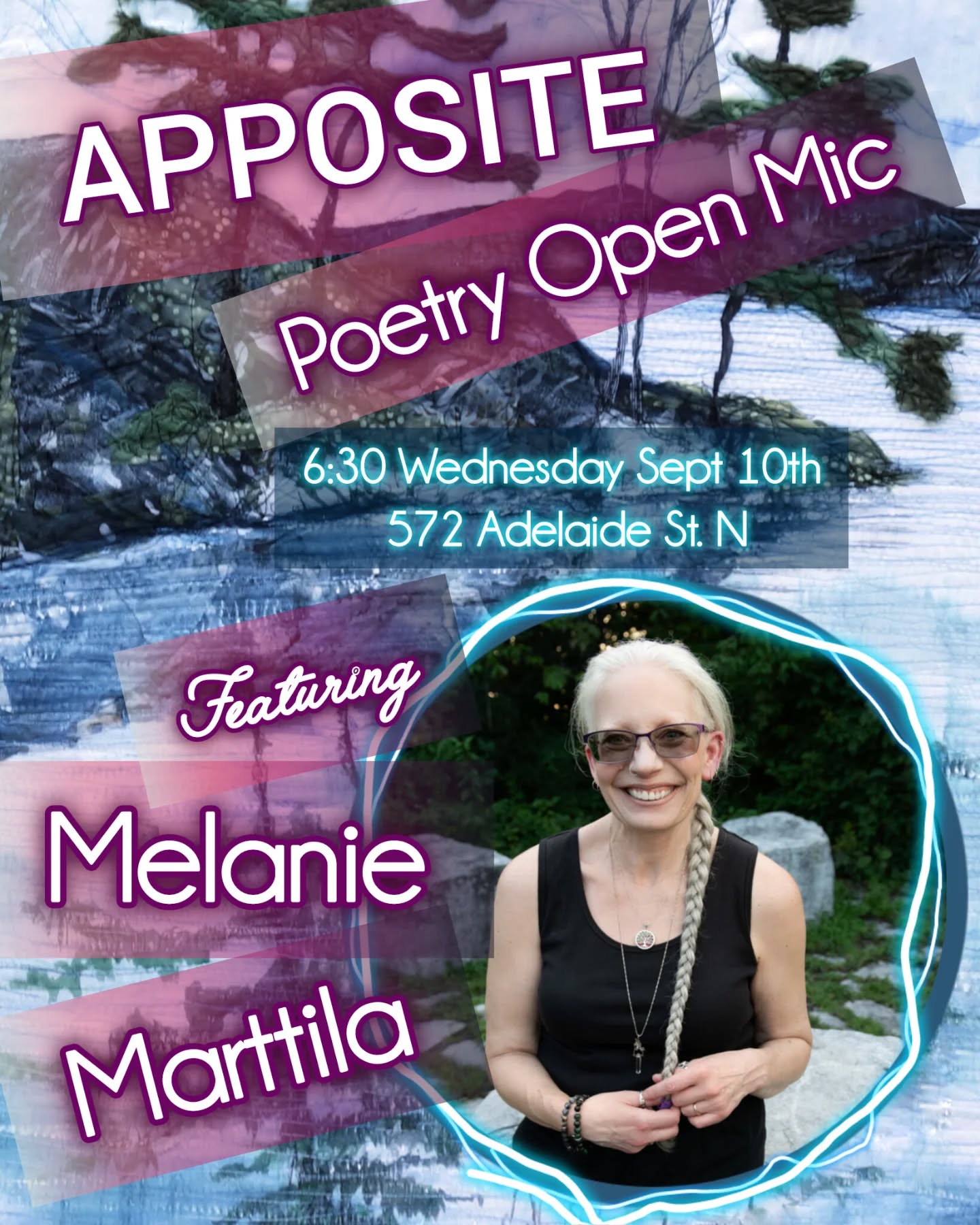
In late July, I was presented with the possibility of a September poetry reading through the Apposite Poetry Series in London, Ontario. I didn’t announce anything at the time because the organizers were still trying to confirm another poet. They’d let me know once they heard back from the other poet.

Not wanting to miss the LCP poetry reading series funding deadline on August 1st, I applied. I could always withdraw after if the opportunity didn’t pan out.

But on the 4th, I received the confirmation! I would be the featured reader on September 10th! And on the 15th, I was advised that my reading funding had been granted! Leave from work granted. Hotel and rental car booked. I’m all set.

Apposite Poetry Reading Series open mic featuring Melanie Marttila. Wednesday, September 10th at 6:30 pm. 572 Adelaide St. N.

Also on the 10th, this lovely review came out in On Creative Writing: Neurodivergent author Melanie Marttila on the power of reclaiming your authentic voice. It’s de-gorgeous, and I’m so happy.

On the 9th, I received an invitation for one of my poems published in 2024 to be included in a year’s best anthology! Eeeeeee! Contract is signed, but I will have to wait on announcing anything further until the publisher begins formal promotion.

The SF Canada financial review meeting was on the 8th. Just preparing all the financial materials for our auditors and addressing a couple of bits and bobs.

On the 30th, I put my name in for the Wordstock festival planning committee. I don’t know how much I’ll be able to help, but I’ll do what I can.

Filling the well

August 1st was Lughnassadh. It happened to be the last day of a break in the heat. It was a lovely first harvest and I thought about all the things I’ve done for myself, my mental health, and my creative life in the last couple of months, lit my altar, and focused on gratitude.

The full ricing moon in Aquarius was on the 9th. Super hot. Did a guided “Lion’s Gate” meditation.

The news holly moon in Virgo was on the 23rd. Things were cooling down. Did another guided meditation.

I registered for the League of Canadian Poets open mic night on the 6th. It was lovely to read and to hear all the wonderful poetry on my fellow LCP members.

On the 15th, I attended Practical Tools to Help You Write Layered Stories, Not Stereotypes with Ángela Álvarez Vélez, an Authors Publish webinar. It was an excellent presentation.

I signed up for the Worldshift Speculative Fiction Writers’ Summit from the 20th to the 23rd. A lot of my favourite writing craft experts were speaking, and I watched everything on replay because work.

My first in-person appointment with my new therapist was on the 7th. Mostly, it was me, talking her ear off, but I did receive a handy guide called the ND polyvagal ladder. I’m to monitor where I am on the ladder daily as a form of mindfulness and to check in with myself so I can hopefully detect and deescalate meltdowns, shutdowns, and burnouts in the future.

I had a massage on the 13th. Ahhhh! Rest and digest, baby! Parasympathetic nervous system win!

My last appointment with my EAP therapist was on the 20th. It was a lovely farewell to a therapist who helped me a fair amount in a short period of time.

Then, I signed up for The Force of Choice: Mastering Your Emotional Reactors with Pat Tallman on the 30th.

What I’m watching and reading

Phil and I watched the final season of The Sandman (Netflix).

I debated whether I’d even mention this because of the substantiated accusations of SA against the author and the possible complicity of his then partner. It is deeply disappointing to me that a person capable of writing such beautiful stories could also be capable of such abuse … and that he attempted to use his neurodivergence as an excuse for said abuse. ND people are, first and foremost, people, and everyone has the potential for evil within them. I believe the women who have come forward. Phil is still in denial. It’s a difficult circle to square. In the end, I’ve decided to try appreciating the art of this problematic man separate from him, but also to attempt to see if I can find signs of the truth in his work.

Morpheus/Dream creates both beauty (dreams) and terror (nightmares). In retaliation for his decades-long imprisonment, Dream traps his captor’s son in an eternal dream. That he later, at Death’s prompting, releases the young man several decades later, doesn’t erase the lost years of life the now-octogenarian must contend with in the time he has left. Dream creates the Corinthian, a nightmare who becomes a serial killer. That he eventually destroys his nightmare and later recreates a moral version of him to help Joanna Constantine find and protect Daniel (Dream’s successor) doesn’t erase the deaths the Corinthian caused or Dream’s responsibility for letting them happen. And having the reformed Corinthian and Joanna get together in the denouement is all kinds of ick. Dream sentences the woman he supposedly loves to hell for 10,000 years because she rejected him. That he later attempts to free her (only to discover that Lucifer has abandoned hell and by default released her before Dream got there) is a totally insufficient act that he only takes because Death (again) nudges him. He declines to help his son, Orpheus, resulting in the events of Orpheus and Euridice, and Orpheus’ living for 2,000 years as an immortal, disembodied head. That he, (again) at Death’s urging, decides to grant his son’s wish and kill him … too little, too late, really. Even though it results in his death—suicide by Fury for the crime of shedding family blood—which he first avoids, nearly resulting in the destruction of his realm and all its dreams, and then neatly sidesteps by voluntarily giving himself into his sister’s care, really falls short of true repentance or change. When the new version of Daniel/Dream attempts to recreate Fiddler’s Green as he has with several other dreams destroyed by Lyta Hall, the Furies’ catspaw, the dream declines. Dream will have to get along without Fiddler’s Green and his sage advice. There must be consequences. In all, Dream perpetrates all kinds of evil and though a Big Deal is made about how much he’s changed, he hasn’t learned a thing by the time he takes Death’s hand. His siblings and subjects tolerate his abandonment and abuse and continue to advise and love him. This is the author’s wish fulfillment coming through. Newsflash: no one gets away with abuse forever.

This is just my opinion, at first blush, within a couple of days of finishing the series.

Then, I finished watching the first season of The Librarians: The Next Chapter (CTV Sci-fi). It wasn’t bad. A new librarian displaced in time who wants nothing more than to return to his beloved Anya 200 years in the past. A new guardian-in-training, desperate to prove herself, and two new sidekicks, one of whom owns the castle the current annex is in, and a former university professor kicked out of academia because of his social media influencer/conspiracy theorist obsession with the library. Stone even returns to bookend the series. They neatly tied off the time issue and storyline at the end of the 12-episode run, which was a smart move in case they weren’t renewed, but reports are that filming of season 2 began in May. Goofy shenanigans abound. I’ll watch season 2.

Next, I watched K-Pop Demon-Hunters (Netflix). I saw an interview with the Huntr/x voice cast on New Rockstars. Arden Cho (voice of “Rumi”), May Hong (voice of “Mira”) and Ji-young Yoo (voice of “Zoey”) were absolutely lovely! Zoey is the most clearly autistic-coded. But Mira has a flat affect and shows signs of rejection-sensitive dysphoria. And Rumi’s secret, half-demon nature is something she’s had to mask her whole life. The tiger demon, Derpy, is OCD. I’m obsessed.

The story is all about overcoming shame and learning to love yourself. That’s all I’ll say. Cause this one’s a feel-good banger and so is the soundtrack.

Then, I finished watching the first season of Revival (CTV Sci-fi). It’s based on a comic I haven’t read. In the small town of Wausau, Wisconsin, recently deceased people resurrect. Police officer Dana Cypress learns that her little sister Martha (Em) is a Reviver, and they try to find out who killed Em and how Revival Day happened. There’s a lot more to the series, but it was good enough to withhold the details and invite you to watch. This is not your typical zombie story.

I finished watching the Disney + limited series Eyes of Wakanda. The animation was great, and so was the story about the War Dogs and the recovery of vibranium artefacts through the ages. And an Iron Fist! And a time travelling Black Panther queen! And a fabulous tie-in to the first Black Panther movie! They packed a lot of lore into these four half-hour episodes.

Finally, I watched Thunderbolts* (Disney +). This is the best Marvel movie I’ve seen in years. It’s the perfect exploration of what it means to be a hero. It’s not about the fight scenes, though there are those. It’s about helping each other weather turbulent times and the mental health challenges that inevitably come with them. No notes (from me … others have done their analyses—look ‘em up if you’re so inclined).


My first listen of the month was The Bridge Kingdom, the first in the Bridge Kingdom series by Danielle L. Jensen. I read the 5th book in the series back in May and decided to catch up. In this book, Princess Lara and her 12 half-sisters have been indoctrinated into a deep hatred of Ithicana through a regimen of torture over the course of 15 years. One of them will be chosen to become the wife of the new king of Ithicana, Aren, and deliver the Bridge into their father’s hands. But when Lara overhears her “mentor” discussing how everyone but the chosen bride will be killed to prevent word of the plot from getting out of their isolated desert compound, she concocts a scheme of her own to spare her sisters’ lives and sacrifice herself to the mission.

When she arrives in Ithicana, though, Lara learns that everything she was taught about Ithicana is wrong, but not before she inadvertently sends her father the key to Ithicana’s destruction. As I observed back in May, the series is written in a series of duologies. The first book brings the protagonist and their budding romantic relationship to the breaking point before resolving it in the second book. An enjoyable, but dark series.

I decided to finish the Bridge Kingdom series (whatever was available on Audible, anyway) and continued with The Traitor Queen. Lara is the eponymous queen, living in exile after she handed her father the key to possessing the bridge. Ithicana still fights, but when Lara learns that her father has taken Aren captive, she braves the Tempest Seas to return to Ithicana. She has a plan to free Aren and defeat her father, and no expectation of redemption.

I kept rolling with Audible into book 3, The Inadequate Heir. This one dials back the timeline to the onset of Maridrina’s attack on Ithicana, which started when crown prince Keris made an agreement with King Aren to use the bridge to travel to university in Harendell. It was a ruse and Keris an unknowing dupe. His escort viciously murders their Ithicanian guards and begins the invasion, Keris bound to prevent his interference. Keris has a reputation for being bookish (the worst insult in a kingdom of warriors) and of spending his nights drinking, gambling, and womanizing. The only reason he is heir is because all his older brothers have either died in the war against Valcotta or have been killed, often by one another, in their attempts to win their father’s favour. But after this incident, Keris, never his father’s greatest supporter, decides to actively work against him.

Zarrah has been chosen by her aunt, the Empress of Valcotta to be her heir over her cousin Berman. King Silas of Maridrina murdered her mother and bound Zarrah, then a child, beneath her mother’s crucified body, her mother’s head in her lap. Now she wants to kill every Maridinian, starting with the crown prince.

Both Keris and Zarrah are inadequate heirs in this enemies-to-lovers romantasy.

Next, because I’m also reading print and e-books, just at a slower rate, I finished Birch and Jay by Allister Thompson. This post-apocalyptic novel is framed in a fictive future present in which a new group of Seekers is graduating in the community of Norbay decades after climate crisis has left the world in ruins. Jay and his partner Birch, elders of the community, tell the tale of his first mission to the graduates. Jay is sent to Queen’s University but is captured by the militia of Great Toronto—a newly-risen fascist state ruled by The Six—and tried as a spy. Birch, though not a Seeker, follows Jay and runs into troubles of her own.

The worldbuilding in this novel is great. Norbay (North Bay) was founded by women and like-minded men who wanted to learn from the mistakes of the past and rebuild human society in a sustainable way. But they need information to do that. Hence the Seekers, who go out into the ravaged world, by bicycle, and travel to former cities and universities in search of knowledge.

Though secondary characters, the elder women of the novel, Cedar, an elder of Norbay, Elm, a rogue Seeker, and Ning, a toughened lone survivor who saves Birch from a gang of young men, are the real stars of the novel. It’s their hard-won wisdom and tenacity that help Birch save Jay from Great Toronto.

Then, I finished reading Paris 1919 by Margaret MacMillan. This was part of my research for my alternate history solarpunk, which is set in 1936, in between the two world wars. I wanted to find out how the political stage was set at the end of WWI. And boy howdy was this book informative. The decisions taken in Paris in 1919 would not only set WWII in motion, but we are still dealing with the fallout of some of them, like giving Palestine to Israel. It was a difficult read, but I’m glad I persisted.

It’s time to return to Narnia, though. I need a palate-cleanser.

Next, I finished reading Zachary Ying and the Dragon Emperor by Xiran Jay Zhao. Zachary Ying is just trying to survive school and not stress out his mom too much. And play Mythrealm, an AR game. Simon Li is the new Chinese kid at school—of course, the Chinese kids would become friends, eye roll—and it’s not long before Zach learns that he’s the reincarnation of Qin Shi Huang, the first emperor of China, who really needs him to seal the portal to the Chinese underworld before all the spirits escape and wreak havoc on the world. When demons steal Zack’s mom’s soul, he has no choice but to agree because the place he has to go to get his mom’s souls back is—you guessed it—the Chinese underworld. Simon is the reincarnation of Tang Taizong and the third member of their team Melissa Wu, is the reincarnation of Wu Zetien. Together, they travel across China, heist magical artefacts, and defeat figures of myth and history to achieve their goal. A great, fun read!

Back with Danielle L. Jensen’s The Bridge Kingdom series, I finished The Endless War. When I read The Inadequate Heir, I felt Jensen took a slightly different tack with the relationship. Unlike Aren and Lara or later, Ahnna and James, Zarrah and Keris did not overtly or purposely betray one another. They didn’t even appear to betray each other. They met anonymously, though it was clear that she was Valcottan and he was Maridrinian. They bonded over their shared dream of peace between their countries, and when they’re identities were revealed, they initially presented a united front against his father, King Silas Veliant and her aunt, Empress Petra, who are the real perpetrators of the endless war.

Unfortunately, in book 4, Keris becomes king of Maridrina, and his father’s spy master sends evidence to Petra of his relationship with Zarrah, and Petra sends Zarrah to Devil’s Island, a nigh on inescapable prison where the inmates have divided into factions that are continuously fighting one another, and the desperate have resorted to cannibalism to stay alive. So, despite the passionate devotion Zarrah and Keris show one another, this, too, is a grimdark book. The climax and denouement are pretty clever, though.

Finally, I finished the month with The Wild Robot by Peter Brown. Yes, this is a MG book, but it’s so wonderful. Roz wakes up on an island, surrounded by the parts of her (Brown himself characterizes Roz as female) fellow robots. She explores the island, learns the animal speech, and fosters a gosling whose family is killed in an accident.

There are distinctions between the book and the movie (that I watched last year), but they both stand on their own. Lovely, gentle, and life-affirming.

And that was the month in this writer’s life.

Until next month, be well and stay safe; be kind and stay strong. The world needs your stories!

The next chapter: A month in the writerly life. https://melaniemarttila.ca

I acknowledge with respect that I am in Robinson-Huron Treaty territory, that the land from which I write is the traditional territory of the Anishinaabe and home of Atikameksheng Anishnawbek and Wahnapitae First Nation.

Tipsday: Writerly Goodness found on the interwebz, Sept 11-17, 2016

Tipsday is chock full of informal writerly learnings!

K.M. Weiland digs into subtext and gives practical examples for how you can identify and apply subtext in your stories. Helping writers become authors

Later in the week, Kate shares more lessons from the MCU: how to choose the right antagonist for your story.

Roz Morris offers an exercise to show how you can shape your tone in your novel. Nail your novel

Vaughn Roycroft discusses the importance of storytelling in turbulent times. Writer Unboxed

Sara Letourneau helps you find the “why” behind your story. DIYMFA

David Corbett helps you fill linguistic holes with some super fun words. Writer Unboxed

Carly Watters shares four ways to write better dialogue.

Jami Gold: when is backstory necessary? Later in the week, Jamie returns with tips on balancing your story elements.

Margie Lawson offers her rule #17: finessing backstory. Writers in the storm

David H. Safford guest posts on Writers Helping Writers with advice on hunting down story holes using a novel journal.

Janice Hardy continues her blog tour on Marcy Kennedy’s blog. Create an editorial map to make revisions easier. This is, incidentally, part of my process 🙂

Karen Woodward explores short story structure.

Gabriela Pereira interviews Jerry Jenkins on DIYMFA radio.

Christine Frazier compares Star Wars: A New Hope and Star Wars: The Force Awakens. The Better Novel Project

Janet Reid shares six reasons she said “no,” recently.

Frances Caballo guest posts on Jane Friedman’s blog. A social media strategy that works: CARE about your readers.

Tim Grahl shares his perspective on the effectiveness of Facebook as a marketing tool for authors.

Authors offer their best writing tips. The Guardian

The Baltimore Sun shares John E. McIntyre’s “trigger warning” from his editing class at Loyola University, Maryland.

Moira Donegan covers the Emily Books Symposium session: what is women’s writing? The Awl

Kerry Gold’s L’affaire Galloway explores the UBC incident in its context and subtext (because there’s so much that hasn’t been stated). The Walrus

Janet Reid shares her thoughts on the difference between racism and using potentially offensive language in context in response to one college’s unequivocal idea of cultural sensitivity.

Mary Robinette Kowal offers a textile metaphor for cultural appropriation.

Jim C. Hines unpacks Lionel Shriver’s speech on cultural appropriation.

And here’s Foz Meadows’ response to Lionel Shriver.

Related (because it occured at the same literary festival): a journalist quotes a writer without permission. Liz Spayd for The New York Times.

Award news! Sunburst Award winners announced!

Literary Hub interviews the Biblioasis Bookstore in Windsor.

Wordstock, Sudbury’s literary festival. Nov 3-5, 2016. CBC

Canadian literati are coming to Sudbury for Wordstock. South Side Story

Last week marked the centenary of Roald Dahl’s birth. Here are a couple of the articles that were posted in tribute.

Shane Koyczan: 152 (audio only)


Wasn’t sure where to put this mixed bit of news. Sad to have lost him, but end-of-life issues are never simple and I honour his right to make this decision. Author W.P. Kinsella ended his life last week under Canada’s new assisted dying legislation. The Guardian

Take a look at Salvador Dali’s paintings of Alice in Wonderland. The Earth Child

Seanan McGuire digs into Pamela Dean’s Tam Lin. Tor.com

Joel Minty offers advice to first-time readers of Steven Erikson’s Gardens of the Moon. Tor.com

Alex Brown reviews the fall 2016 television SFF line up for Tor.com.

Germaine Lussier reports that Disney’s new production of A Wrinkle in Time has its lead. i09

The Curiosity is a fairy tale film about selkies 😀 Germaine Lussier for i09.

Connie Verzak offers some fodder for Droughtlander sufferers. The Daily Record

Hope you enjoyed, my creative friends.

See you on Thursday for some thoughty 🙂

Tipsday

Tipsday: Writerly Goodness found on the interwebz, March 27-April 2, 2016

Woohoo! Gotz a crap tonne of Writerly Goodness for you this week! When I get excited, I get profane 😛

Sudbury’s literary festival, Wordstock, is maturing 😉 The Northern Life.

The Aurora Awards (think Canadian Hugos) nominees have been announced.

Controversial writing post of the week: For me, traditional publishing means poverty. But self-publish? No way. Ros Barber for The Guardian. I should have known when Kathy Owen tagged Kristen Lamb, asked her to read the article and respond to it in a blog post, that this was going to raise a few eyebrows (and a few hackles).

I posted it because I wanted to engage people in thoughtful, engaged conversation (which I’m happy to say it did). I share posts and articles for writers on traditional and self-publishing sides of the creative divide. I’ve made my decision after a lot of consideration. Please do me the courtesy of respecting that position. And hella yeah, you know I’ll respect yours.

K.M. Weiland discusses how to know when to write ‘the end.’ Helping writers become authors. Later, she wonders, are you telling the right story? On her author site, Katie urges us to make war, not love, because creativity is an act of defiance.

C.S. Lakin explores the action-reaction cycle in novel scenes. Live, write, thrive. Later, she shows us how to construct scenes using a variety of camera shots.

Catherine McKenzie endures publishing exhaustion on Writer Unboxed.

Jo Eberhardt asks, are you a writer or a storyteller? Admittedly, it’s not such a polarizing question as planner vs. pantser, or literary vs. genre, but in recognizing the spectrum of this apparent dichotomy, could we not find our way to a more balanced view of the more fraught debates? Food for thought. Writer Unboxed.

Tracy Hahn-Burkett wonders whether to TK or not to TK? Writer Unboxed. I did this with my most recent NaNo project. Nothing I left out was critical to the story. It’s all pure research.

Emotional wounds thesaurus entry: being raised by overprotective parents. Becca Puglisi. Writers helping writers.

David Mesick explores creating distinct and grounded anti-heroes. Mythcreants.

Jami Gold (with Angela Quarles) weighs in about writer truth: we’re making it up as we go. I’ve recently said this to a writer friend, and as I mentioned in last Saturday’s update, my process is in continual evolution. We try things out, decide what works (for us) and what needs to be set aside. It can be tough when you learn from established/well known authors. My advice? Do you have to tell them it didn’t work for you? Really? 😉

Angela Quarles guest posts on Fiction University about harnessing your day.

Kathryn Craft offers five tips to sustain you in the query trenches. Writers in the Storm.

Martina Boone helps us decode rejections to identify plotting issues. This only works, of course, if the agent gives you more than a form rejection. Adventures in YA Publishing.

Steven Pressfield advises to analyze your novel like a dream.

Joanna Penn interviews Mark Lefebvre of Kobo Writing Life about how to sell more books. The Creative Penn.

Jane Friedman updates her How to Start Blogging Guide.

Katherine Garcia decries four lies we have to stop telling writers, artists, and other creatives. Everyday Feminism.

I’ve posted this before to great controversy. None of us like change, but we can’t prevent it from happening by ignoring it, especially when there are very good reasons for it. Why you should never, ever use two spaces after a period. Farhad Manjoo for Slate.

Orna Ross says creatives and creativists cultivate independence.

Linda Wasmer Andrews reveals recent research that supports how walking can make you a better writer. Psychology Today.

Five writing retreats to jump start your creativity. The Globe and Mail.

Ursula K. LeGuin on racism, anarchy, and hearing her characters speak. Literary Hub.

Virginia Woolf, the woman who remade the novel. The Independent.

Sarah Hughes examines our enduring fascination with the Brontës. The Guardian.

From alright to zap: an A to Z of deplorable words. Not really. Read ‘em and weep twitch, word nerds. The Guardian.

And this is just fun: Librarian Rhapsody.


Radio Times collects eleven of the best moments from the new Doctor Who.

How Outlander is taking the art of love (and war) to Paris in season two. TV Insider. I can’t believe the wait is almost over! This weekend: droughtlander ENDS!

And this movie looks interesting for the fairy tale set: Tale of Tales. Vanity Fair.

And that should keep you reading through to next week (!) I hope you have a lovely one.

Tipsday

Thoughty Thursday: Things that made me go hmmmm on the interwebz, June 7-13, 2015

There’s a little bit of somethin’ somethin’ for everyone 🙂

Here was the thoughty controversy of the week: Tim Hunt doesn’t want women in the lab. Why? Because they fall in love with their male coworkers, they distract their male coworkers, and they cry (there’s no crying in science!).

So, of course, after making the statement, Hunt quit. That didn’t stop these ladies from taking it out of him with #distractifyinglysexy 🙂

Understanding the sensitive heart. The Elephant Journal.

This is for anyone who has had to watch a loved one die. There is something poetic about being there to witness the final struggle, even if the struggle is not a physical one. To sit with death. The Elephant Journal.

Sarah Knight left a job because happiness is more important to her than commitment. Quartz.

Which countries are the happiest? Find out in this article from 24/7 Wall St. Canada’s in there, but the Scandinavians rule (apparently)!

Indigenous cultures have less back pain. Why is that? NPR.

Baba Yaga’s House, a feminist alternative to seniors’ homes, opens in Paris. RFI.

Eight feminist lessons from Jane Austen. Bustle.

The psychology of inspirational women: Veronica Mars. Janina Scarlet for The Mary Sue.

Caitlyn Jenner got Vi Hart thinking about gender. Honest and awesome.

Sarah Jones delivers a sex talk from the future by way of six characters. Amazing TED Talk.

Margaret Atwood speaks out about Bill C-51. The National Observer.

The problem with patterns. The Creativity Post.

Find out more about the SEAL team that’s famous for taking out Osama Bin Laden. The New York Times.

The moon terminator illusion. Vsauce.

Did the dinosaurs really go extinct? It’s okay to be smart.

Eek! If a Boomslang bites you, you bleed to death (out of every orifice – ew). IFLS.

Here’s a little futuristic retro for you: This is what 1956 marketers thought 1976 roads would be like. Popular Mechanics.

13 rarely seen photos of Marilyn Monroe. Elle. She was such a beautiful woman.

This tribute to a beloved dog will have you bawling. But it is SO beautiful. Denali. Bustle.

So kawaii! A family of weasels scales a wall. The Telegraph.

And in case the song at the end of the Denali video got to you like it got to me:

Now go get that squishy grey thing of yours into gear 🙂

I’m off to get ready for the M.H. Callway workshop taking place in Sudbury this evening.

I will probably not post on Saturday this week because of Wordstock, but I’ll post Ad Astra and Wordstock reportage on Sunday. Ok? Ok. S’alright? S’alright!

Thoughty Thursday

Tipsday: Writerly Goodness found on the interwebz, June 7-13, 2015

Yeehaw! It’s another great week for Writerly Goodness 🙂

So this was a thing: Irene Gallo, a Tor employee made a personal statement in the comments of her personal Facebook account about the Sad Puppies (if you don’t know who they are, Google it) and was given a public scolding by her employer.

Here are some reactions:

Kameron Hurley.

Chuck Wendig.

Maureen Johnson and Holly Black defend their writerly friends.

A little local literary news about Wordstock. The Sudbury Star. It’s happening this weekend 🙂

Anna Lovind wrote this absolutely amazing post: A letter from the psych ward. The Blog.

Allison M. Dickson blogs about generalized anxiety, or, when your brain makes you think you’re dying. Because writing.

K.M. Weiland posted another in her most common writing mistakes series. Part 41: Inferring non-POV characters’ thoughts.

The only thing you need to know about writing strong, female characters. Katie’s Wednesday vlog.

Bruce Holsinger wrote this great post for Writer Unboxed on how to find you mythic theme.

Jefferson Smith, the creativity hacker, explains why readers bail on books (so we won’t make the same mistakes).

Though Extra Credits is a gaming channel on YouTube, the “awesome-per-second” rule is definitely Writerly Goodness!

Here’s part two of Mary Robinette Kowal’s interview on Adventures in SF Publishing. Told you I’d share 🙂

Sword and Laser interviews Beth Cato.

Check out these summer reads by award-winning SF women from Glamour (who knew?).

Stephen L. Carter responds to Ursula K. LeGuin’s anti-Amazon article (you may remember, I shared it last week). Bloomberg Review.

Anne Roiphe: A life 50 years in the writing. Publishers Weekly.

How Canadian writers changed The New Yorker. The National Post.

Wayson Choy talks about life, death, and the hallucinations that saved him. CBC.

You may have to turn up the volume a bit for this one, but it’s well worth it. Sheila from Dala (she’s the la) performs an intimate arrangement of W.B. Yeats’s “When you are old.”

Caitlin McDonald shared this cool thing of the day: The Last Bookstore.

You know you’re a serious book collector when . . . The Antiquarian.

Look at these 29 book-inspired tattoos. Buzzfeed. Breathtaking? I dunno.

Ok. I know this just marks me as a HUGE geek, but Reboot is coming back and it makes me #furiouslyhappy! The Huffington Post.

An Outlander wrap post, courtesy of Access Hollywood.

What do you think of the season two casting? Access Hollywood.

Whew! Gotta love the linkage 🙂

See you Thursday!

Tipsday

Six questions with M. H. Callway

Madelaine Harris-Callway

Madeleine Harris-Callway is a traditionally published crime writer. Her debut novel, Windigo Fire, which has a northern Ontario setting, was published by Seraphim Editions in October 2014. It was warmly received by reviewers, including Margaret Cannon of The Globe and Mail. The Huffington Post Canada put it on their list of Books for Book Clubs. On April 23rd, she was thrilled to learn that Windigo Fire is a finalist for this year’s Arthur Ellis Award for Best First Crime Novel.

Prior to writing Windigo Fire, Madeleine was a successful crime short story writer. Her stories have appeared in several anthologies and magazines and have also won awards.

She has moderated and participated on numerous panels at writing conferences. Most recently, she moderated a panel at Left Coast Crime on plot twists. Her favourite topic is “How to Get Published” and she regularly gives talks at public libraries on this subject.

In 2013, Madeleine founded The Mesdames of Mayhem, a collective of 16 Canadian women crime writers.

_______________________________________________________________________

I was introduced to Madeleine through a mutual friend, author Dorothy McIntosh (D.J. McIntosh), last year. She mentioned that she would be interested in coming up to Sudbury to promote Windigo Fire, and we started a correspondence that culminated with the organization of a writing workshop and her participation in this year’s Wordstock literary festival.

I’m so pleased to welcome Madeleine to Writerly Goodness 🙂

WG: When did you first come to writing, and, as it’s always seemed to be your thing, what drew you to crime writing specifically?

MHC: I have been writing since I was a child. I co-opted my mother’s portable electric typewriter and banged out plays for my friends to perform with mixed results! I forgot my dream to be a writer between studying science and business at university, earning a living and raising a family though I returned to it from time to time. In 2002, I decided it was now or never and committed to writing full time.

While I worked at the Ministry of Health, I was assigned to work on the scientific investigation of the mysterious deaths at Sick Children’s Hospital in Toronto. The study, in parallel with the police investigation, was headed up by the Centers for Disease Control, Atlanta. The report concluded that deaths were indeed homicide.

It was a deeply disturbing experience that affected every one of us who worked on the study. My boss at the time ended up leaving the government and becoming a forensic psychiatrist! He and I would have many long discussions puzzling over the motivation of the person responsible. I began to read accounts of true crimes, trying to gain insight into the criminal mind and I continue to read such books to this day though I’ve come to believe that the reasons, at least to me, remain unknowable.

I turned instead to crime fiction, where the criminals, for the most part, are caught, punished and moral order is restored!

WG: You’re an avid cyclist, runner, and downhill skier. Does your physical activity play a role in your creative pursuits?

MHC: Physical activity and writing are intertwined my personal life. Windigo Fire is an outdoor survivalist thriller. I drew on my personal experiences with dehydration and fatigue to lend authenticity to the hardships my hero, Danny Bluestone, goes through. During long training runs and bicycle rides, I have the freedom to think up stories and to resolve plot problems. And on the way I always spot odd and fascinating people, buildings or incidents that give me ideas.

WG: What led you to found the Mesdames of Mayhem?

MHC: Sadly women crime writers still face an uphill battle to get equal recognition. Though we represent at least half of published crime writers, we aren’t reviewed as often as men and we don’t win as many awards. My friends and I feel we have greater power by banding together and supporting each other at our new book launches and through social media. Through the Mesdames of Mayhem website and Facebook page, we reach far more readers than we can as individuals. We’ve had great fun doing readings at libraries and other venues. It’s much easier for emerging and mid-list authors to get exposure when we approach libraries and literary events as a team.

WG: What was the idea that became Windigo Fire, and how did it evolve?

MHC: The first crime novel I wrote became my “learner novel”. Though it had interest from a few publishers and a New York agent, it never quite made it and it now lives in my filing cabinet. Windigo Fire was to be the second novel in the series, but Danny came to life and took over.

The story of Pasha, the tame bear at Logan’s zoo, was inspired by a bear we saw performing at Clark’s Trading Post, a roadside attraction in New Hampshire. I was inspired to write Windigo Fire after reading about Ted Nugent’s obsessive advocacy of hunting. At the same time, I ran across a sad story about canned bear hunts or fake hunts where the poor animal is chained down and shot by “hunters” who pay a fortune for this. Fortunately these occurrences are rare. Naturally, I asked what if the hunters become the hunted . . .

I spent a lot of time in Northern Ontario early on in my working career: my first job was with Lac Minerals, a gold mining company and later on, I ran health studies for the Ontario government. I heard many wild stories from my workmates, some of which, like the wild bear encounter, are true. The event “karaoke strip night” is an exaggeration, of course, though not by much!

WG: Windigo Fire is set in northern Ontario and features a native protagonist. What kinds of research did you conduct in the process of writing the novel?

MHC: I relied on a friend and fellow writer who was Native Canadian. She explained aspects of culture, such as sweat lodge ceremony and shared her life on and off the reserve. Sadly she passed away so she never knew that Windigo Fire was published.

I also did research at the Spadina Road Branch of the Toronto Public Library, which has a great collection of Native Canadian literature. Studying Cree legends, I ran across the story of the windigo, which proved to be the perfect theme for my novel. The windigo is the symbol of evil, a cannibal with a heart of ice that can only be destroyed by fire. I believe Native Canadians used this legendary character to explain the existence of psychopaths.

At a deeper level, my novel represents the struggle of the main characters against evil. Do they rise and become strong enough to fight it? Or do they succumb to it and let their hearts turn to ice?

For information about surviving in the north, I used the book, How to Survive in the Woods, and for details on uranium mining, I used the internet.

WG: Can you give us a hint about what’s coming up in the future for M.H. Callway, author?

MHC: Absolutely! I am hard at work on Danny’s next adventure, the second book in the series, called Windigo Ice. Danny survived forest fire season, but now he’s forced to battle the frigid northern winter and a rogue priest bent on bio-warfare.

In follow up to our successful first anthology, Thirteen, my group, the Mesdames of Mayhem, will be releasing a second anthology, Thirteen O’Clock. It contains twisted tales of time and crime and will be available on Amazon this fall on Kindle and in printed form.

Thank you for an insightful interview, Madeleine. It was a pleasure! Break a pencil in your creative pursuits 🙂

Many thanks, Mel. It was a pleasure to be interviewed!

________________________________________________________________________

Danny Bluestone, a young Native Canadian, settles for a job at a children’s camp in his Northern Ontario hometown of Red Dog Lake. Local entrepreneur, Meredith Easter, offers Danny some easy money: play the role of native scout for his wealthy hunting buddies. Danny knows that Easter’s roadside attraction, Santa’s Fish Camp, is the front for the local grow-op, and probably more, but the money is his way out of Red Dog Lake. Danny flies the hunters to an island lodge deep in the wilderness. Once there, he learns that he’s part of an illegal bear hunt and is powerless to stop the men from shooting the helpless animal. The following morning, he awakes to find all the hunters but Ricky brutally murdered. Even though each of them believes the other is the killer, Danny and Ricky must team up to escape the forest fire started by the hunters. While his friends in Red Dog Lake struggle to rescue him, Danny falls back on the teachings of his shaman grandmother to survive the bush and the Windigo, the evil spirit that pursues him and Ricky.

Windigo Fire

Tipsday: Writerly Goodness found on the interwebz, May 3-9, 2015

Gots a bumper crop of Writerly Goodness this week!

Writerly news from the Sudz: Wordstock returns 🙂 The Sudbury Star.

Kristen Nelson shares four negotiating tactics of good agents.

Martin Hill Ortiz presents his analysis of 50 years of bestsellers. It explains a lot about how things have changed. Very interesting. In three parts, with more to come 🙂

Brenda Hiatt shares some interesting stats in her Traditional Publisher Survey. It’s from 2013, but it’s still interesting . . .

Roz Morris explains how to transition from academic writing, business writing, or journalism to fiction.

K.M. Weiland not only explains why unnecessary scenes are bad for your readers, but she also discusses the various types of unnecessary scenes and how to identify them so you can get ‘em outta your novel.

In Katie’s Wednesday vlog, she discusses how minor characters help make for a memorable protagonist.

Stuart Horowitz discusses how to plot without using a formula on Jane Friedman’s blog.

Therese Walsh posts part four of her multitasking series on Writer Unboxed: How to meditate when you’re too busy and why it matters – with Leo Babauta.

Donald Maass guides us through the process of using change to stir the higher emotions of our readers. Writer Unboxed.

In which Chuck Wendig critiques your story (that he hasn’t read). Read this amazing feat of digital prestidigitation and see if he doesn’t manage to do it (curse you, Wendig—you’re too brilliant for me).

Why being a debut author isn’t a dream come true (see the URL title for additional perspective: nipple deep in a mudpit of despair—oh joy). Buzzfeed.

Why your brain loves good storytelling. The Harvard Business Review.

Michael Hyatt discusses the power of persistence in his podcast.

16 modern poets you should read. Brit+Co.

The history of the ampersand:

And . . . the history of the interrobang‽

10 brilliant novels that have one fatal flaw. Charlie Jane Anders for i09.

May SF&F books that everyone will be talking about. i09.

Women in science fiction, a podcast from The New Yorker. Interestingly, I’m currently reading Pain, Porn, and Complicity, which explores some of the same issues. Interesting stuff.

Are our heroines too perfect? i09’s Observation Deck.

How Game of Thrones finally fixed its three weakest characters. Vanity Fair.

Holy cow! Where did all of that come from?

Come back for more curation on Thoughty Thursday where I will feed you interesting stuff to get your big squishy (brain) generating ideas 🙂

Tipsday

CanWrite! 2013: Open mic, Andrew Pyper, and Cordelia Strube

I already mentioned the welcome reception and the morning creative writing circles, but have since launched into panels and sessions without mentioning what happened the evenings of June 13 and 14.

Back-pedalling now …

Open mic and shortlist readings

On June 13, interested parties were encouraged to sign up for the open mic.  I did and intended to read the revised opening of my novel as I had at Wordstock, then at supper I heard that the readings would be restricted to five minutes.  This was reduced to three by the time I arrived due to the number of last minute sign-ups.

Not having brought my poetry with me that night, I read as much of my opening as I could.  It was well-received.

Other readers offered their poetry and stories (one humorous one was about discovering one was having a heart attack while on the toilet – shades of Elvis) the organizers sticking strictly to the three-minute limit.

June 14 was to have been readings from the authors short listed for the CAA Literary Awards, but again, a last-minute change opened the floor to additional readers.  I signed up and brought my poetry, a much more appropriate genre for the three-minute limit.

I got to hear the end of the Elvis story and some more great poetry, fiction, and non-fiction.

I enjoyed the readings from the short listed works.  With one exception, none of them could show up in person.  The man who did was Michael S. Cross, author of A Biography of Robert Baldwin: The Morning-Star of Memory (Oxford University Press).

Michael’s reading was wonderful.  I didn’t know Robert Baldwin was such a fascinating character.

Another fascinating author was Jane Doe. She read from her book The Story of Jane Doe.  She is an advocate and activist and her story is a compelling one.  I encourage everyone who has an interest in women’s issues, advocacy, or the attitudes of the legal system to victims of rape and violent crime to pick up this book.

Andrew Pyper

Andrew Pyper

Andrew Pyper

Andrew Pyper is the author of six novels, most recently, The Demonologist.

Andrew’s session was on the afternoon of June 14, and it was as much workshop as presentation.

The session, Getting organized, getting started, focused on the essential elements required before an author begins to write a novel.

  1. An Idea;
  2. A Premise;
  3. A Protagonist;
  4. A Hook;
  5. A Structure; and
  6. An Outline.

He also offered six tips for overcoming roadblocks.

One of the most interesting pieces of his presentation was about ideas.  Yes, one must have at least one good idea to propel one’s plot, but the author shouldn’t stop there.

Traditional thought and misconception would imply that one idea must be made big enough to become the basis for a novel.  Andrew suggested that rather than one idea expanding to fit a novel, that a multitude of ideas should funnel down and feed into a single novel.

This made a lot of sense to me, and when I think about it, that’s how I write fiction.  I never write about one thing.

The premise is distinguished from the main idea of the novel because of its scope.  Andrew’s explanation reminded me of Larry Brooks’s.

He offered the following example:

Idea: A modern-day Frankenstein.

Premise: Archaeologists extract DNA from mosquitoes trapped in pre-historic amber and use it to clone dinosaurs. A philanthropist establishes a theme park around the beasts and invites a select group of scientists and family to witness his triumph; then the beasts escape (Jurassic Park).

The key to a premise is “high concept,” a concept that can be evasive.  This is why Larry Brooks is forever explaining the difference between idea, concept, and premise on his site 😉

Andrew had us write our premises for the Rob Ford story.  As expected, we all had different takes on the well-publicized scandal.

I won’t give away the whole of Andrew’s session, but I will say that it was informative and fun.

Cordelia Strube

Cordelia Strube’s session, on the afternoon of June 15, was mostly workshop.  She’d actually had workshops on both afternoons (14th and 15th) and anticipated that conference-goers would attend both, but a miscommunication occurred and the message was never conveyed to attendees.

Cordelia has published eight funny, powerful, sparse, cathartic and critically acclaimed novels, among them Alex & Zee, Teaching Pigs to Sing, The Barking Dog, Blind Night, and Lemon. Her ninth, Milosz was published last year.

Her plan was to have participants from the first session return and revise the work they had started the day before.  Those of us who only came on the second day would have to start from scratch.

Cordelia gave us a framework and some strategies for getting into our focused writing.  She then distributed horoscopes and a number of other prompts: postcards, small items, all of which were to inform our writing project for the afternoon.

After we were sent off to write however and wherever we wished, the class was asked to share the results of their writing.

It was an excellent session.

________________________________________________________________________

I should take a moment to mention that there were a number of sessions happening concurrently on Friday and Saturday afternoons.  I can only report on the ones that I attended.

Specialty sessions, at a nominal additional cost, also took place during the mornings.

There were also agent pitch sessions occurring Thursday, Friday, and Saturday mornings.  Though I did not opt into these, they were very popular and booked solid.

I like the way in which they were conducted.  Each author was to submit their query letter and first five pages of their novel in advance of the pitch session.  I think that this is a much better way to conduct pitches than to do them blindly.  It’s better for the agents because they have a sense of the author’s work.  It’s better for the writer because they don’t only have their two to five minutes to convey the meat of their novel.

A professional photographer was also on site to take author shots for the attendees.  I happily paid the (again, nominal) fee for this.  I should have the results next week and I hope they will be better than my efforts to date.

Tomorrow: The final panel, Traditional vs. Self-publishing.

G’night y’all 🙂