Whatever 🙂 The supporting cast.
Last week on Work in progress: I sketched out the baddies in my novel.
This week, I want to look at some of the supporting characters on the heroic side of things. I haven’t done detailed written sketches of any of them, so this might be short and sweet!
We’ll start with Ferathainn’s family.
Selene and Devlin

Selene looks like Selma Blair … or vice versa
Selene was a child when her family and the people they were traveling with were attacked. Only Selene survived, though injured, and was found wandering in the woods by Leaf and Oak, eleph brothers, who promptly took her back to their home in Hartsgrove. The child could not remember anything, not even her own name.
Willow, sister of Oak and Leaf, named Selene after performing the ritual of shir’authe, the eleph way of foretelling the future of a child. Willow knew that the girl would be a seer, a talent associated with the moon. Selene seemed appropriate.
Years later, a young bard came to Hartsgrove. He recited his poetry and sang his songs.

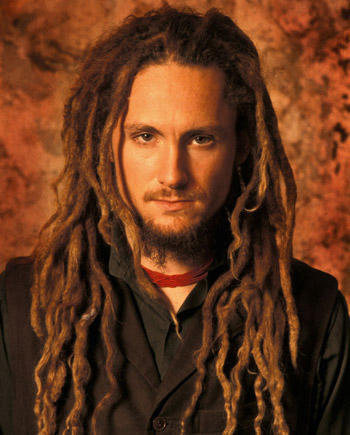
And John Butler would make an awesome Devlin
Devlin also collected stories though, and was particularly enamoured of the eleph. Leaf was finiris, or a song master, and like a bard, finiris practiced not one, but as many of the arts as they could learn.
Though he moved on, Devlin returned often, using Leaf as his excuse, but spending more and more of his time with Selene.
Eventually, they married, but soon learned that they could not have children. When a pregnant noble woman appeared, then ran away, shortly after giving birth, Selene and Devlin decided that they would adopt the child as their own, but they’ve never told Ferathainn that she is not theirs.
In Tellurin society, it doesn’t matter if a child is adopted or not. The people who raise you are your parents, and fostering is a common practice. It wouldn’t be a shameful thing if Selene and Devlin did tell Ferathainn, but they don’t.
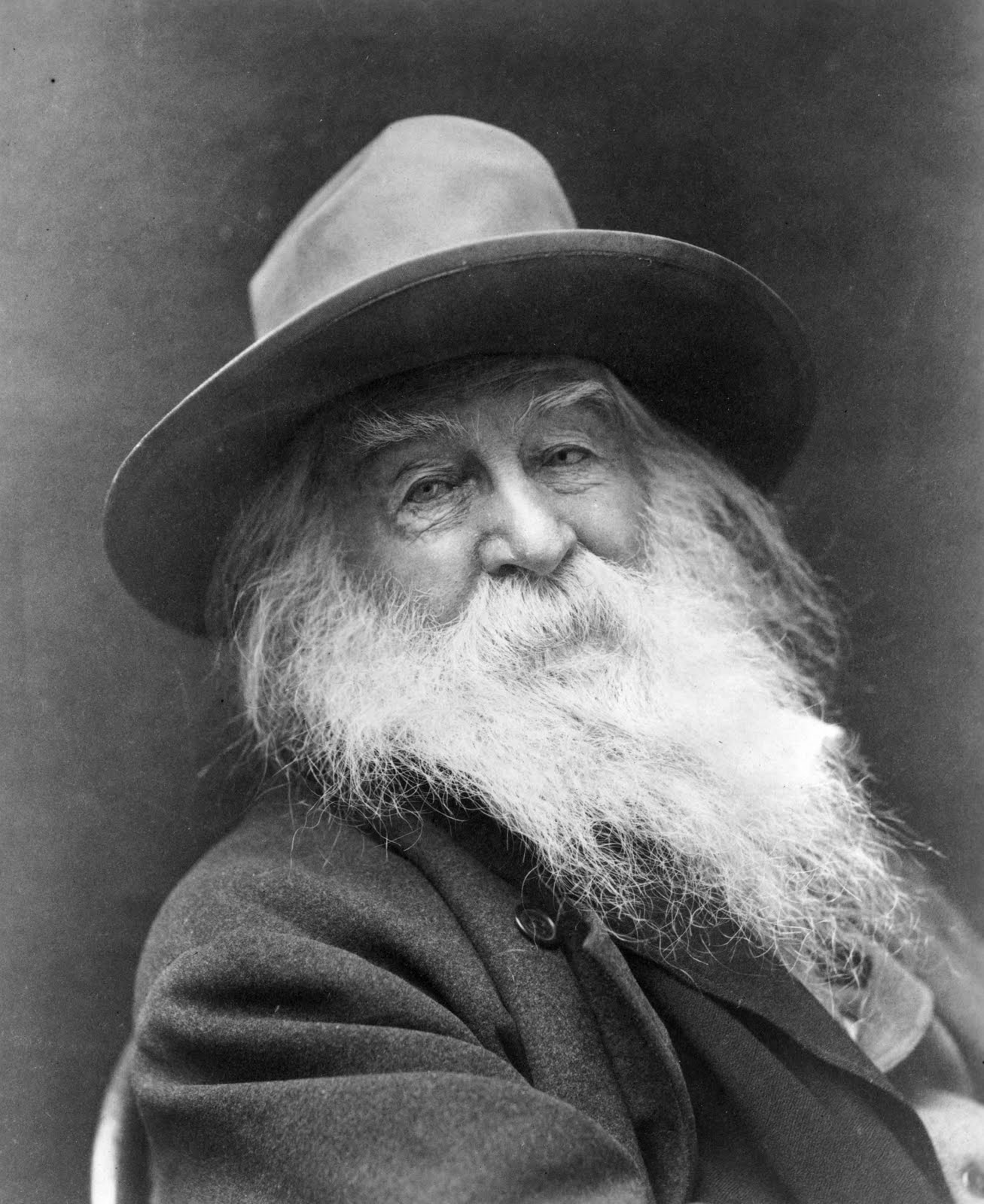
Master Aeldred

Walt Whitman reminds me of Aeldred
The old mage was a wanderer. He’d had his degree from the King’s university, but loved research and unearthing lore. It was coincidence that he was in Hartsgrove the Sestaya that Ferathainn was born, but as a mage, he had the right to take part in the infant’s shir’authe. He was simply pleased to take part in an eleph ritual.
The eleph could see nothing of the baby’s future though, except Leaf, who saw his astara in the baby’s eyes. Selene immediately took exception to this, since Leaf was already over a hundred suns old. It seemed perverse, and no matter what assurances Leaf offered, Selene could not be appeased.
When Aeldred finally took the baby in his arms, he could sense the power in her. It was like nothing he’d ever felt before. To those assembled, he merely said that the child had promise and that he might be induced to stay and take her on as a student when she was older, if she wished.
Aeldred is afraid of Ferathainn, though. Afraid of what she might become and of his inability to control her. This he never spoke of either, not even to his colleagues back in Drychtensart, who all wondered that he’s taking on a girl as a student. Aeldred did what he thought was best for the girl, though, and taught her in the Agrothe tradition. He does not gawk or wonder at her talents, though inwardly he quakes. If she does not think she is special, if she submits to the disciplines of the Agrothe, then it is likely that she will not become the monster he fears she will …
Aislinn
Devlin loves Selene, but he always wanted a child of his own, and when Willow proposed a liaison, he was definitely interested. Willow made it clear that she had no love for him. Lust, yes, but that was a passing thing. If she could get the idea out of her mind, she’d never have reason to pursue the bard afterward.
In an unusual move, Devlin and Willow approached Selene. Devlin would only proceed with her approval. Even more strangely, Selene gave her consent.
Willow hadn’t suspected that an eleph and a Tellurin could have children together, but was pleased to discover her pregnancy. Devlin doted on his child and unofficially adopted her into his family.

Emma Stone as Aislinn
As she grew older, though, Aislinn never exhibited an interest in his music the way Ferathainn had. She didn’t dance and she couldn’t carry a tune in a basket. She was what we might call a girly-girl. She loved sewing and making her own clothes, doing her hair up in fancy styles, and giggling and gossiping.
Unfortunately, her eleph features marked her as strange. Parents didn’t take kindly to their children fraternizing with the half-breed. She had nothing in common with either Devlin or Leaf, did not take an interest in Oak’s scouting and hunting, or in the kishida (eleph martial arts), and she didn’t like getting dirty like her mother, Willow, who spent her time either tending her fruit, or brewing, fermenting, and distilling it into alcohol.
Aislinn’s shir’authe revealed that she could be a bridge between the eleph and the Tellurin.
Leaf, Oak, and Willow
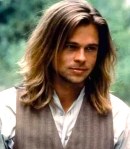
Brad Pitt with silver hair could be Leaf
These three eleph are shuriah, or outcast from their people. Eleph society is very rigid and those that do not abide by the rules are ostracized. In Elphindar, where the eleph originated, there were no other people. Being shuriah meant death in all but a very few cases.
Tellurin is full of people, though. It’s crawling with Tellurin (named for their land), but is also populated by other races: the okante, grunden, blinsies, and favrard. The dwergen and dwergini live beneath the mountains.

Olivia Wilde as Willow
In the west, government is sparse and centralized in a few of the larger cities. In between, people live largely as they choose. So it was that Ashandrel (Willow), Duriel (Oak), and Faliel (Leaf) found a small community where they could live peacefully with their neighbours so long as they contributed to the sowing and harvesting at the area farms, and contributed to the livelihood of the village.
Leaf saw his astara, or soul lights, in Ferathainn’s eyes.

Orlando Bloom could be Oak
Only eleph are supposed to see them, and only in the eyes of other eleph. Still, destiny cannot be denied. He is even more mystified when Ferathainn sees her astara in his eyes, but he is grateful. He would never have disclosed his feelings for Ferathainn had she not returned them.
Shia and the anogeni
Once, the anogeni were the hands of the mountains, the fingers of the seas, but eventually, they became their own distinct people.
They resemble pygmies in stature, but have large, child-like heads. Their eyes are large and they do not have hair, but their ebony skin is covered in a kind of down.
The anogeni way is one of love. Everything has a spirit, and they respect the spirit of every thing. This is how they work what others might consider magick: they ask nicely, and usually the spirit is willing to help. They shape stone and wood, and the core of their spiritual practice centres on twelve sacred plants, or askhiwine. These particular plant spirits are very wise, and teach lessons.
Essentially, they are shaman. The anoashki, or great mystery, is their grandfather, the living spirit of the world.
The anogeni find Dairragh after the fall of Gryphonskeep. He is dead, but these remarkable people bring him back to life and try to teach him the anogeni way.
The anogeni are born with all of the memories of their predecessors. Between that and the lessons of the ashkiwine, they have a great many prophecies, and Dairragh figures into a few of them. So they determine to save him, and try to make him a champion.
Ella and Kaaria
Really, I should reserve discussion of these two figures until I talk about the deities of Tellurin, but they are part of the cabal that help my heroes, so I’ll say a few words here.
Ella is all that is left of the goddess Tryella after her brother tried to murder her. Kaaria, an air elemental, and her sister Naia, a water elemental, rescue Tryella, after a fashion, but the best they can do for the wounded god is to put her into the body of an yrne, or giant sea eagle.
While she can still speak, nobody but Kaaria, Naia, and their other rescue, Auremon, can understand her. She has a little prescience, and is very long-lived, but beyond that, she is mortal. A Tellurin with a bow and good aim could kill her.
She’s been desperately trying to find some way to prevent her brother from escaping his prison. If he gets out, everyone is going to suffer. No matter what she tries, however, it does not seem to change the outcome. Even Auraya’s attempts to raise the Kas’Hadden, she fears, will not be sufficient to defeat Yllel.
She does see the face of a girl, though. Ella’s not sure whether the girl will play a role in her brother’s defeat, or if she’s not a greater danger altogether, but she figures that she will need all the help she can get.
Kaaria is helping her track down the girl, but when they do, it’s almost too late. In desperation, Ella diverts Eoghan from his destination at the Well of Souls, to save the girl, and she and Kaaria try to prepare both Eoghan and Ferathainn for what is to come.
Kaaria and her sister aren’t native to Tellurin. When Auremon tore the Way Between the Worlds between Tellurin and Elphindar apart, they were two of the beings pulled through it into Tellurin. Elphindar was a dying world, and they were grateful to have a new home.
The living spirit of the planet spoke to them and has recruited them to help him bring back his original children, the akhis. Ferathainn and Dairragh have a role to play in that drama too.
And that’s it for this week 🙂
I’ll be moving on to more legitimate world-building activities after this, I promise!
Have a great weekend.



 Always Looking Up