Tipsday: Informal writerly learnings, April 2-8, 2023

Welcome to the last tipsday for the foreseeable. As I mentioned in my most recent next chapter weekly, I’m cutting back on social media to devote more time to writing and revision.
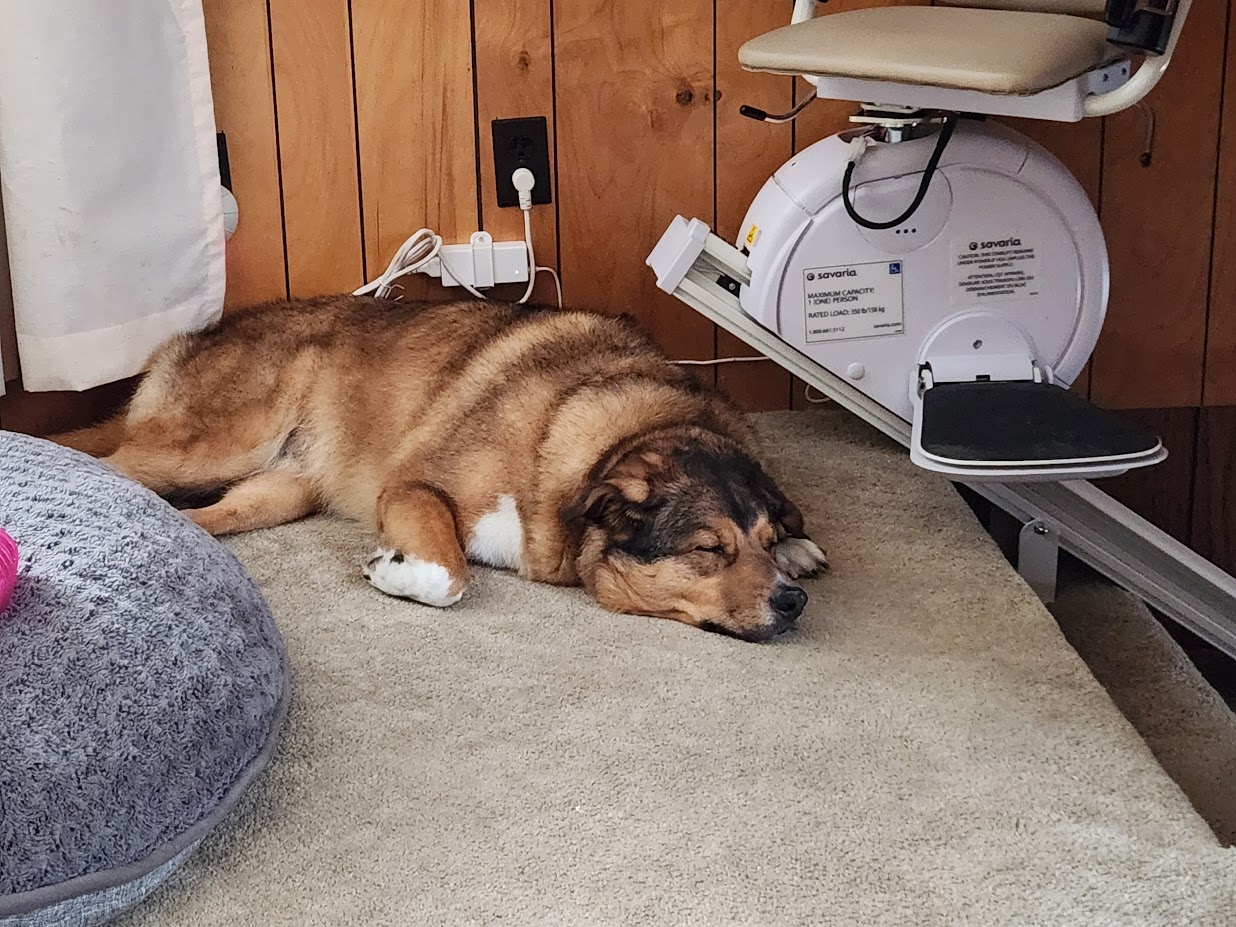
It’s been a while since Torvi made an appearance 🙂

Julianna Baggott: yes, I know how hard it is. Donald Maass explains where connection comes from. Then, Elizabeth Huergo muses on frigates and ChatGPT. Writer Unboxed

Margie Lawson is writing fresh: laughs, giggles, and snorts that carry power. Then, Hannah Jacobson explains what you can do with book awards and reviews. Stefan Emunds says characterization is one of the most vital writing skills. Writers in the Storm

What makes a movie “feminist”? Princess Weekes

Elizabeth Spann Craig is writing longhand.

Becca Puglisi says, if you need organizational help, try Trello. Then, Colleen M. Story shares six ways to make your author blog more successful. Writers Helping Writers

Is cyberpunk actually punk? Tale Foundry

Amy L. Bernstein provides a framework for moving beyond your first draft. Then, Matt Holmes lists the four pillars of book marketing, or how to sell more books in less time. Amy Goldmacher explains how to differentiate between desire and desperation in pursuit of publication. Next, John Matthew Fox helps you find comp titles using ChatGPT. Jane Friedman

My revision process—first draft to ready for publication. Shaelin Writes

Ashley Christiano shares chakras for storytellers, part 2: putting concept into practice. Then, Manuela Williams considers four poetry book cover design trends. Stacy Frazer explains how to recover from creative burnout and enhance your energy. Next, Lori Walker interviews Danielle Mitchell about reading and writing poetry. Brenda Rech shares five things she learned by entering writing contests. DIY MFA

Seven exercises to improve dialogue. Reedsy

Janice Hardy lists three steps to crafting a story arc that sucks (your readers in). Fiction University

Tiffany Yates Martin discovers how Camille Pagán revises—by betting on herself. Fox Print Editorial

Chris Winkle offers six tips for writing your first novel—and series. Then, Oren Ashkenazi analyzes five stories that undermine their own stakes. Mythcreants

Thank you for visiting, and I hope you found something to support your current work(s) in progress. You can always peruse the archives.

Until Thursday, keep staying safe and well, my writerly friends.
Tipsday: Informal writerly learnings, Feb 5-11, 2023

Hope everyone had a fabulous Valentine’s Day. It’s time to nourish your creative self with some informal writerly learnings. Enjoy!

Janice Hardy shows you how to fix pacing problems: move along. Fiction University

Greer Macallister says your book is always new. Then, David Corbett interviews Damyanti Biswas about transitioning from literary to genre fiction. Kathleen McCleary notes the things that define us. Next, Kathryn Craft shares four ways to organize your third person POVs. Tracy Hahn-Burkett explains how to come back to your writing practice after you’ve been called away. Later in the week, Erma Clare says, friend or foe, ChatGPT has pushed language AI into the spotlight. Writer Unboxed

Six signs your book is ready to query. Reedsy

Diana Stout talks critiques—how to get them and how to receive them. Then, Sandy Vaile wonders, are you writing a shiny idea or a robust story? Stefan Emunds talks about the importance of desires, goals, motivation, and needs in storytelling. Writers in the Storm

K.M. Weiland offers some genre tips on how to write fantasy. Helping Writers Become Authors

Is Yuki-Ona the most terrifying snow monster? Monstrum | PBS Storied

C.S. Lakin helps you understand the intersection of premise and protagonist. Live, Write, Thrive

L. Diane Wolfe is rapid releasing a series. Elizabeth Spann Craig

Nathan Bransford says, if you think writing is easy, you’re probably not very good at it.

How to create subtext. Shaelin Writes

Casey Cooper answers the question, why do speculative things matter? Then, Adam Burgess considers the triumph of Two Boys Kissing. Lori Walker interviews Jenna Miller about her debut author’s journey. Next, JD wonders, why write a palate cleanser? DIY MFA

Tiffany Yates Martin answers the question, should I include a prologue in a query? And other prologue FAQs. Fox Print Editorial

The craft of writing effectively. Though in the academic context and eight years old, it’s applicable to all kinds of writing. University of Chicago Social Sciences

Becca Puglisi considers the moral villain. Writers Helping Writers

Chris Winkle says that managing exposition starts with simplifying the story. Then, Oren Ashkenazi explains why Sauron works and Arawn doesn’t. Mythcreants

Kristen Lamb: ‘twas the night before Valentine’s.

Thank you for spending some time with me. I hope you found something to support your current work(s) in progress.

Until Thursday, keep staying safe and well, my writerly friends.

Tipsday: Informal writerly learnings, Dec 11-17, 2022

Happy Hanukkah (ongoing), and happy solstice (tomorrow) for those who celebrate! Here’s my gift to you: informal writerly learnings. Yeah, I share them every week, and you know what, every week they’re gifts 🙂 Enjoy!

Ann Marie Nieves answers your book PR and marketing questions about what to do on a budget. Then, Kathleen McCleary is facing down fear. Jim Dempsey explains how to make the most of your writing goals. Then, Barbara Linn Probst takes a closer look at how writers use beta readers: who, when, why—and does it help? Writer Unboxed

Can all monsters be traced back to Tiamat? Monstrum | PBS Storied

Lori Freeland offers five tips to boost your professional writing cred. Then, Colleen M. Story explains how to decide what you really want from your writing career. Stefan Emunds helps you tap readers’ subconscious to engage them in your story. Writers in the Storm

Why death magic is evil. Tale Foundry

Beth Kephart presents a quiet manifesto: blurb matters. Then, Allison K. Williams shows you how writing your synopsis can fix your book. Eva Langston shares what she learned from 90 queries. Then, Sangeeta Mehta interviews Susan Chang and Julie Scheina about what you need to know before hiring a developmental editor. Jane Friedman

When the world becomes small. A philosophical turn. Ze Frank

Lucy V. Hay reveals how to use real life to inspire your fiction. Then, Jami Gold explains how and when to use foreshadowing. Writers Helping Writers

On her own site, Jami follows up by explaining the difference between foreshadowing and spoilers

Nathan Bransford shows you how to write a character who’s adrift.

E.J. Wenstrom shares four lessons learned over a decade of author platforming. Then, Sara Farmer shares her favorite mystery shows. Kaira Rouda shows you how to use a setting you know to set your characters free. Later in the week, Monica Cox shares five tips to get unstuck from the murky middle of your manuscript. DIY MFA

The hidden meaning in the humanity of others. Like Stories of Old

Adeena Mignogna exposes common misconceptions about satellite orbits. Science in Science Fiction | Dan Koboldt

Tiffany Yates Martin is showing up for the good stuff. Fox Print Editorial

Angie Hodapp shares seven tips for writing powerful endings. Pub Rants

What to do (and not do) with your NaNoWriMo novel. Reedsy

Chris Winkle unpacks five tropes that require low realism. Then, Oren Ashkenazi explains why the Save the Cat! novel beat sheet won’t help you. Mythcreants

Angela Misri: Vivek Shraya proves kids’ books can help us explore messy truths. The Walrus

Thank you so much for visiting. It’s like your gift to me! And I appreciate it. I hope you found something to support your current work(s) in progress.

Until Thursday, keep staying safe and well, my writerly friends.
Tipsday: Informal writerly learnings, Oct 2-8, 2022

Fall is in the (very chilly) air! Hope all my Canadian friends had marvelous Thanksgiving weekends, but now, it’s back to the grind. Hello, Tuesday-that-feels-like-a-Monday. It’s time to reward yourself with some informal writerly learnings 🙂

K.M. Weiland explains (very briefly) how to pull off a plot twist. Helping Writers Become Authors

Karen DeBonis recommends you celebrate every writing milestone. Lisa Norman: welcome to the future, part 2. Stefan Emunds shares three principles to make your story experience as real-to-life as possible. Writers in the Storm

Tikbálang, the Filipino nightmare shapeshifter. Monstrum | PBS Storied

Elizabeth Spann Craig shares five tips to make your life easier as a writer.

Greer Macallister: knowing your no. Donald Maass returns with more novels that shouldn’t work but do, and why. Then, Sarah Callender is stealing style, structure, and subject from other writers: imitation and emulation. Susan DeFreitas: I’ll feel what she’s feeling.  Yuvi Zalkow is rewriting the bookstore event. Writer Unboxed

Jill Bearup gets creative: the fantasy heroine vs. the writer.

Joe Ponepinto is writing small for a bigger impact. Then, Allison K. Williams says motivation doesn’t finish books. Allison also starts her “Ask an Editor” series answering this question: when should writers stand their ground rather than defer to an editor? Jane Friedman

Tim Hickson fixes the final season of Legend of Korra. Hello, Future Me

E.J. Wenstrom helps you overcome the book promotion scaries. Then, Sara Farmer presents her favourite Jane Austen mysteries. Lori Walker interviews Carol Van Den Hende about finding inspiration and writing purpose-driven fiction. Then, Mason Engel reveals the secret to maintaining the motivation—and discipline—to write: writeforce. Rita Zoey Chin shares five tips for writing dynamic characters. DIY MFA

How to brainstorm effectively. Reedsy

Janice Hardy explains why “the worst that can happen” is terrible writing advice. Fiction University

Becca Puglisi says themes and symbols go together like peas and carrots. Writers Helping Writers

Tiffany Yates Martin discovers how Emi Nietfeld revises: writing and real life. Fox Print Editorial

How to structure a short story. Shaelin Writes

Chris Winkle explains when to kill a hero—or not. Then, Oren Ashkenazi hosts another three-way ANTS death match between Three Parts Dead, House of Blood and Earth, and A Master of Djinn. Mythcreants

Emily Zarevich wonders if Mary Wollstonecraft’s Letters Written During a Short Residence in Sweden, Norway, and Denmark was the original Eat, Pray, Love. JSTOR Daily

Justyna Pawlak and Simon Johnson announce that the scrutiniser of self, France’s Annie Ernaux, beats long path to Nobel literature prize. Reuters

And that was tipsday. Thanks for spending some time with me, and I hope you found something to support your current work(s) in progress, whatever stage they’re at.

Until Thursday, keep staying safe and well, my writerly friends.

Tipsday: Informal writerly learnings, July 31-Aug 6, 2022

Welcome to tipsday, your opportunity to fill up on informal writerly learnings for the week!

Also, I’m super excited for the launch of Pirating Pups at When Words Collide this coming Friday, August 12, at 3 pm MT, 5 pm EDT. WWC is virtual again this year and registration is FREE. Find out more on their website.

LA Bourgeois: stalk your curiosity. Stephanie BwaBwa suggests some more tools for your self-publishing toolbox. Then, Olivia Fisher is all about middle-grade fiction. Kris Calvin shows you how to use shared themes in your favorite childhood books to write as an adult. Later in the week, Gilbert Bassey lists five must-haves for a great ending. DIY MFA

Multiverses, nihilism, and how it feels to be alive right now. Like Stories of Old

Greer Macallister: the power of surprise. Donald Maass helps you write elusive inner moments. Then, Sarah Penner provides a writer’s guide to breaking the rules. Rheea Mukherjee shares three things she learned going on submission with her first book. Writer Unboxed

K.M. Weiland shares 13 rules to becoming a better beta reader. Helping Writers Become Authors

Characters who never lived. Tale Foundry

Diana Stout points out the relation between the law of abundance and you as a writer. Then, Janice Hardy helps you create stronger characters by giving them roles. Stefan Emunds explains the yin and yang relationship between psychology and storytelling. Writers in the Storm

Elizabeth Spann Craig offers five tips for getting through a tough spot in a project.

Neil Chase pits antagonist vs. villain: what’s the difference? Writers Helping Writers

Shaelin explains why telling and exposition are actually good. Shaelin Writes

Joanna Penn interviews Sacha Black about lessons learned from three years as a full-time author. The Creative Penn

Nathan Bransford: try to make each scene do more than one thing.

Tiffany Yates Martin explains how Joanna Penn revises by measuring what she creates. Fox Print Editorial

Writing exercises for poets. Reedsy

Chris Winkle reveals how to give social justice feedback (in a way that won’t upset the author). Then, Oren Ashkenazi lists the five reasons prequel stories are so difficult. Mythcreants

Hillel Italie says antitrust trial puts publishing industry in the dock. Associated Press

Vittoria Traverso interviews Pablo Olbi about keeping the centuries-old tradition of Venetian bookbinding alive. Atlas Obscura

Ellen Gutoskey lists nine dirty words with appropriate secondary definitions. Mental Floss

Thanks for stopping by, and I hope you found something to support your current work in progress.

Until Thursday, keep staying safe and well!

Tipsday: Writerly Goodness found on the interwebz, Aug 8-14, 2021

Another week, another batch of informal writerly learnings.

Ann Marie Nieves answers your book PR and marketing questions (part 4). Then, Jim Dempsey wants you to enhance your fantasies with a dose of reality. Kathryn Craft hopes you aim for the “extra” in ordinary. Then, Kathleen McCleary says, sometimes you’re the windshield; sometimes you’re the bug. Gwen Hernandez helps you create a series bible in Scrivener. Later in the week, Dee Willson connects the dots between research, sex, and related remedies. Writer Unboxed

Tim Hickson is killing characters. Hello, Future Me

Lori Freeland is talking location, location, location! Bring your book to life, part 2. Then, Jenny Hansen says, it’s okay to fall down. Eldred Bird contemplates coming out of hibernation. Writers in the Storm

The messy meaning of zombie stories. Like Stories of Old

Janice Hardy says, if you want a tighter point of view, ditch the filter words in your novel. Then, E.J. Wenstrom is creating creatures for speculative worlds. Ann Harth offers a nine-step plotting path to a stronger novel. Fiction University

K.M. Weiland shares three things to know about the ending of a story. Helping Writers Become Authors

Lindsay Ellis shares nine things she wished she knew before publishing her first novel.

Jane Friedman wonders, should MFA programs teach the business of writing? Then, E.J. Wenstrom explains what to know while you write dual point of view. Jane returns to show you how to harness community to build book sales and platform. Jane Friedman

Stefan Emunds examines eight elements that get readers invested in your story. Live, Write, Thrive

Shaelin Bishop explains why she’s a discovery writer. Shaelin Writes

Manuela Williams offers something for your poet’s toolbox: generate ideas and inspiration. Then, Kris Hill promotes worldbuilding using tabletop games. Tori Bovalino: genre-bending and The Devil Makes Three. Later in the week, Sarah R. Clayville shares five bad habits to quit like a champ. DIY MFA

Fire cat or fire cart? The history of Japan’s Kasha. Monstrum | PBS Storied

Marissa Graff says, don’t let excess baggage bring down your character’s plane. Then Angela Ackerman poses problems and solutions for describing a character’s emotions. Writers Helping Writers

Nathan Bransford explains how to come up with good comp titles for your book. Then, Christine Pride walks you through how an editor at a publisher acquires a book. Nathan Bransford

The “asexual” Asian man. The Take

Kellie Doherty introduces us to some of the mythological creatures of Alaska. Fantasy Faction

Chris Winkle: Project Hail Mary shows when flashbacks work, and when they don’t. Mythcreants

Joanna Penn offers a primer on the metaverse for authors and publishing: web 3.0, AR, VR, and the spatial web. The Creative Penn

Souvankham Thammavongsa shares her feelings about winning the Scotiabank Giller Prize. CBC’s The Next Chapter

What to call that weird thing your pet does. Merriam Webster

Megan McCluskey reveals how extortion scams and review bombing trolls turned Goodreads into many authors’ worst nightmare. Time

Thank you for taking the time to visit, and I hope you found something to support your current work in progress.

Until Thursday, be well and stay safe, my writerly friends!

Tipsday: Writerly Goodness found on the interwebz, Aug 1-7, 2021

It is time, once again, to stock up on informal writerly learnings.

Janice Hardy says, don’t let these plotting errors knock your novel off track. Then, Jodi Turchin touts the benefits of a DIY personal writers retreat. Bethany Henry provides a guide for writing strong female characters. Then, Aly Brown lists three mixed-up writing goofs you might be making. Fiction University

Jill Bearup analyzes Harley Quinn’s bonkers elevator fight scene. One Villainous Scene

Greer Macallister shares three tips for a great cover reveal. Then, Allie Larkin says, don’t finish your book. Donald Maass: the walking stick. Later in the week, Rheea Mukherjee wonders, how absurd can our characters be? Writer Unboxed

Princess Weekes presents Demona is alone. One Villainous Scene. Melina Pendulum

K.M. Weiland explains how the antagonist functions in different kinds of character arcs. Helping Writers Become Authors

Elizabeth Spann Craig provides us with a release checklist.

How to write literary fiction. Reedsy

Literary fiction tropes. Reedsy

You may think Jeanette the Writer is being facetious when she explains how to edit an email, but for those important emails (queries, client relations, etc.) do you really want to take the chance of making a critical mistake? Then, Tammy Lough says, historical romance is too hot to handle! Becca Spence Dobias shares five ways audiobooks improve your voice as an author. DIY MFA

Narrative worldbuilding. Shaelin Writes

Stefan Emunds explains the importance of curiosity and tension to storytelling. Then, C.S. Lakin reveals the secret ingredient of a commercially successful novel. Mathina Calliope wonders, should I hire a coach or a therapist? Jane Friedman

Nathan Bransford: don’t over-explain “default” objects and gestures. Then Lindsay Syhakhom explains how to rediscover your passion for writing.  

Don’t know much about Beowulf? Princess Weekes is here to help. It’s Lit | PBS Storied

Sacha Black points out three mistakes to avoid with your side characters. Writers Helping Writers

Kristen Lamb presents the good, the bad, and the just please stop of description.

John Peragine says, it’s time for a second edition. Writers in the Storm

Chris Winkle answers the question: do characters need to be likable? Then, Oren Ashkenazi examines five useless characters and how to fix them. Mythcreants

Jami Gold explains the benefits of making your characters take two steps back.

Thanks for taking the time to stop by. I hope you found something to support your current work in progress.

Until Thursday, be well and stay safe, my writerly friends!