Tipsday: Informal writerly learnings, Jan 1-7, 2023

Welcome back to tipsday, your opportunity to get your fill of informal writerly learnings.
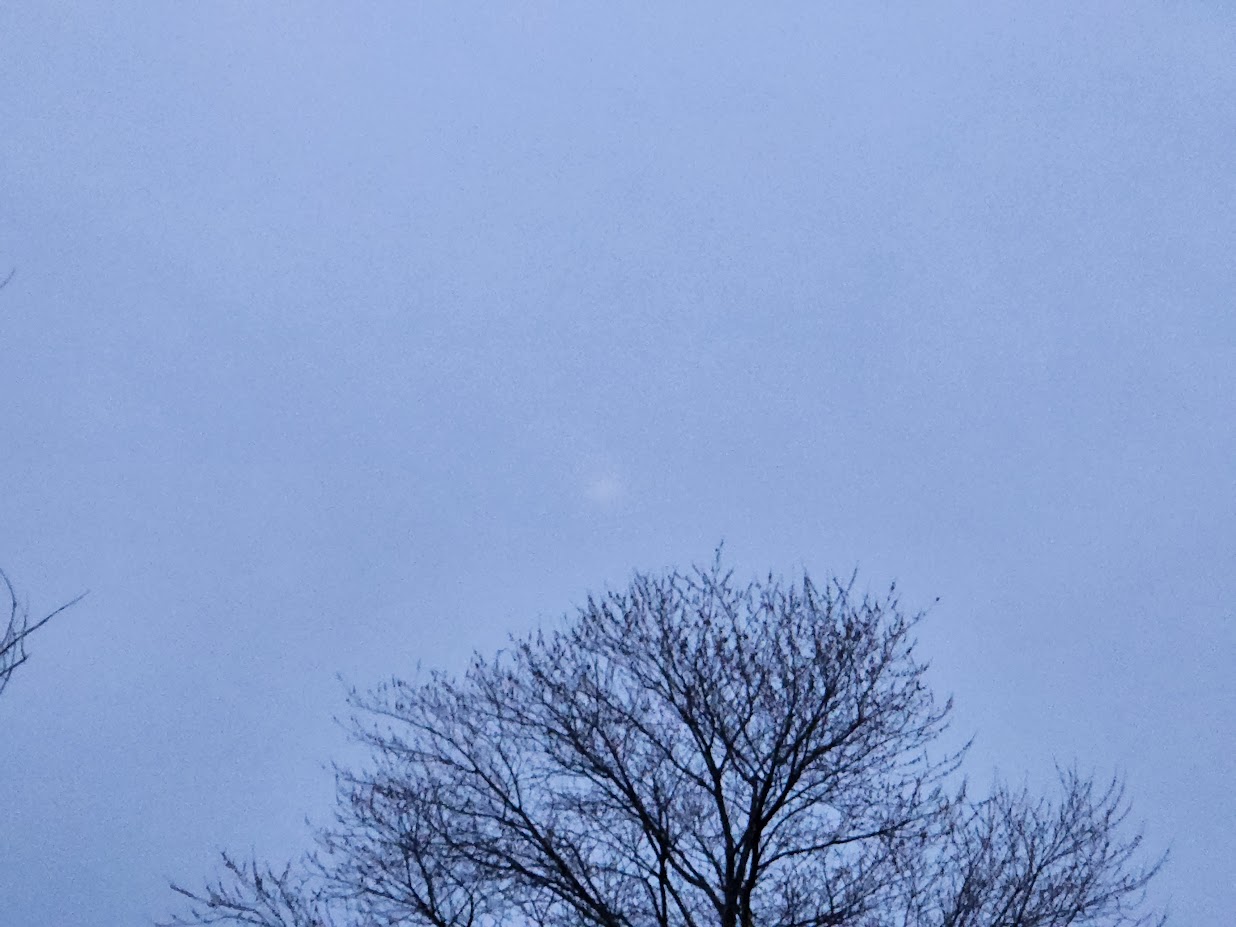
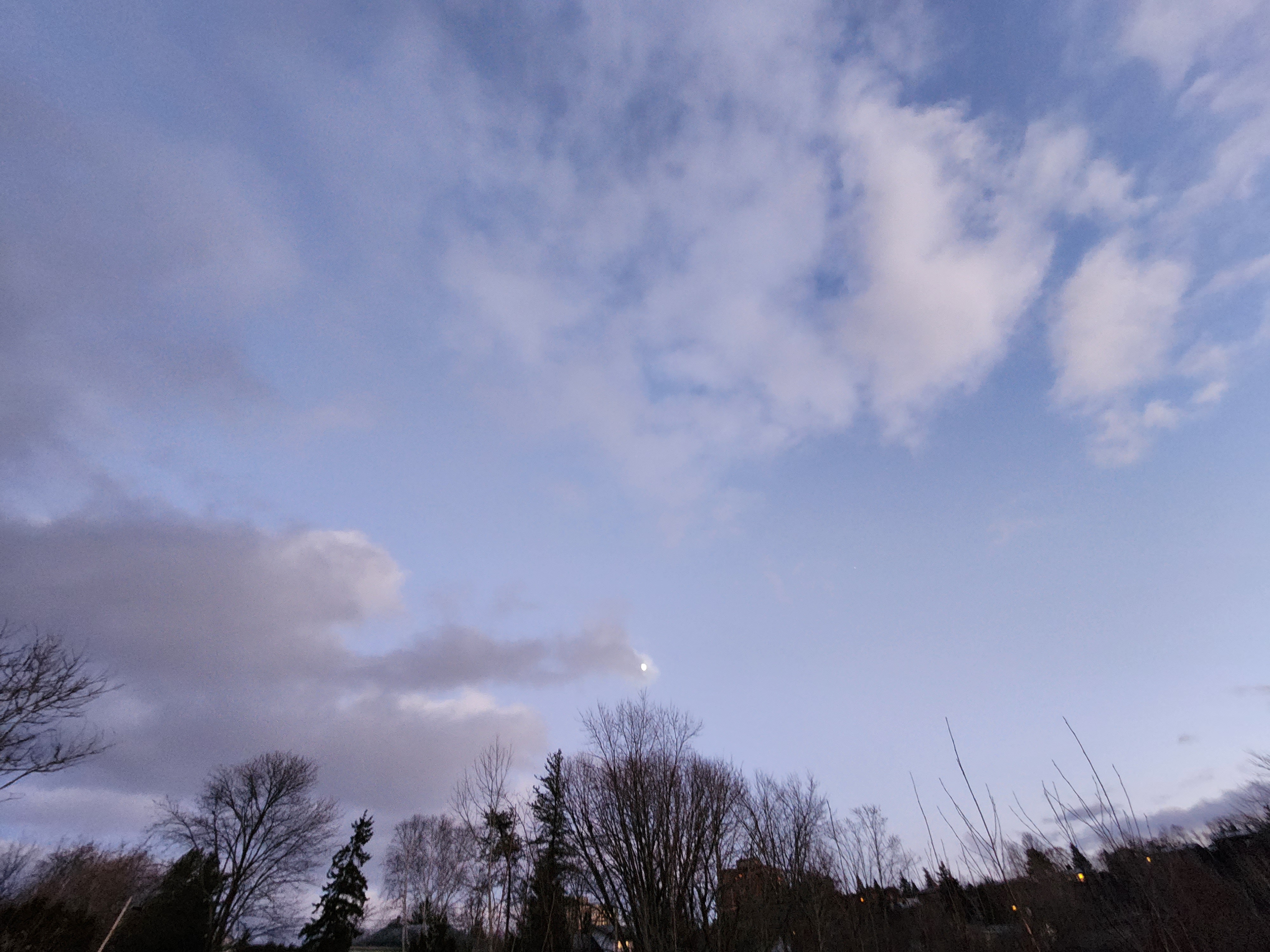
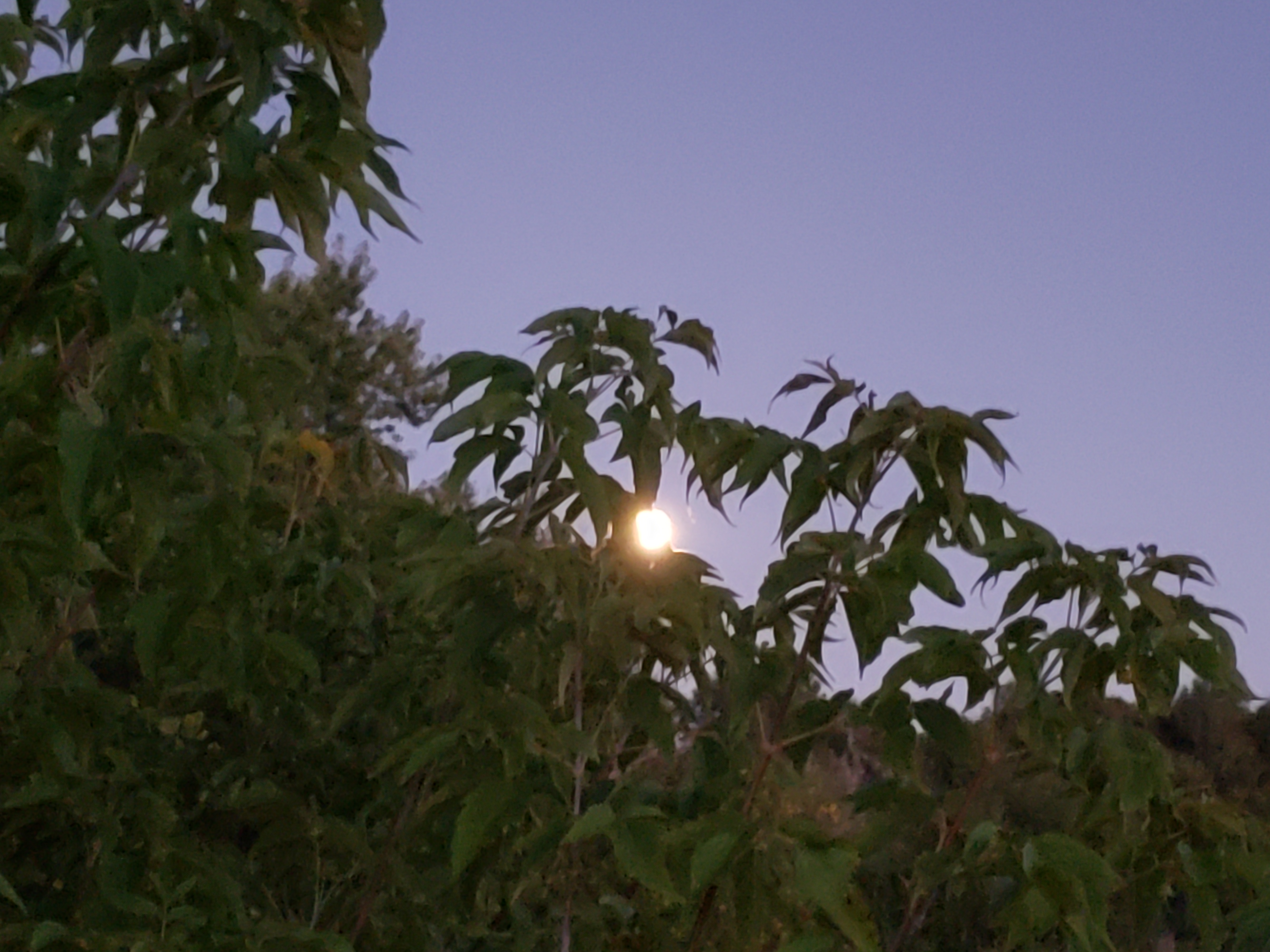
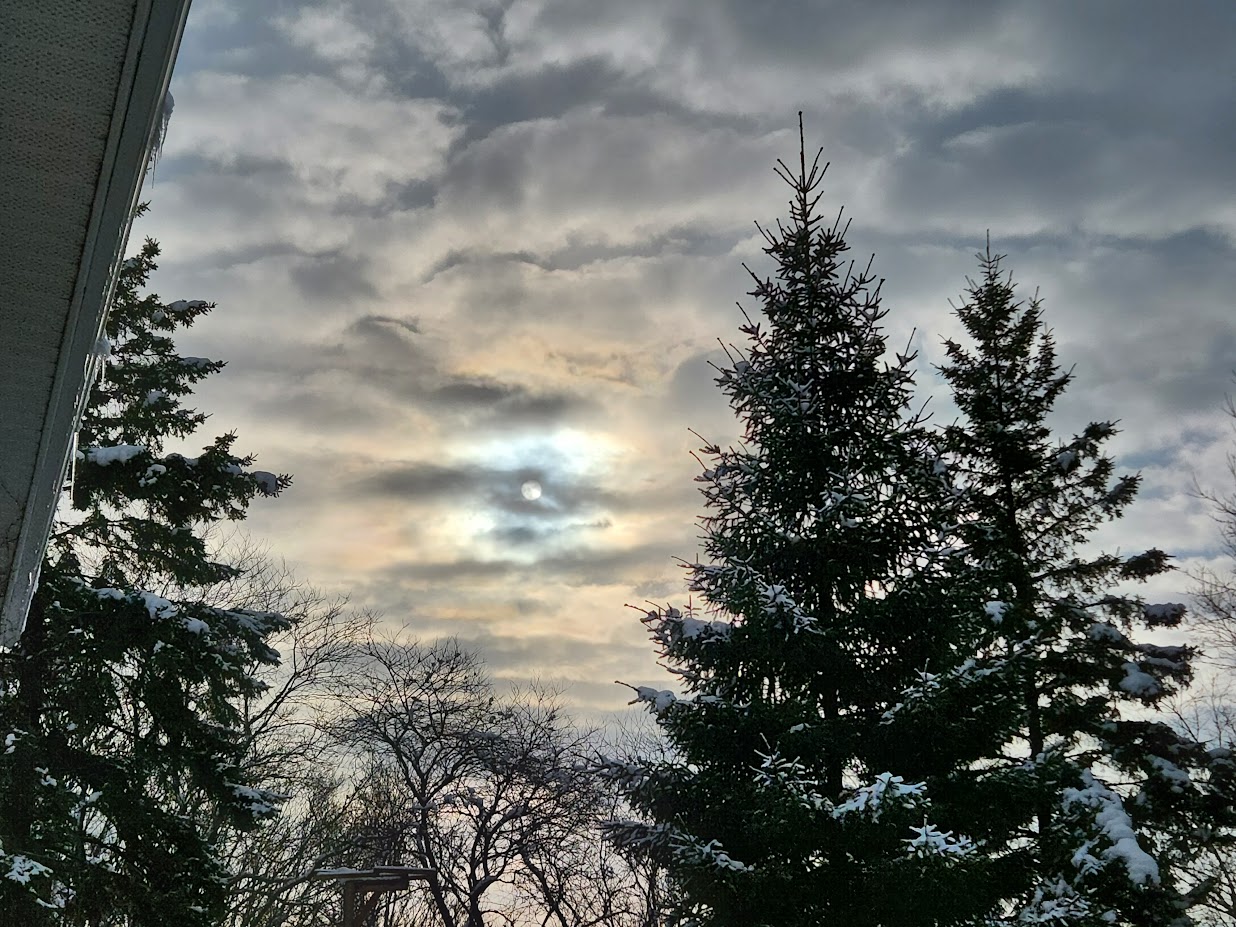
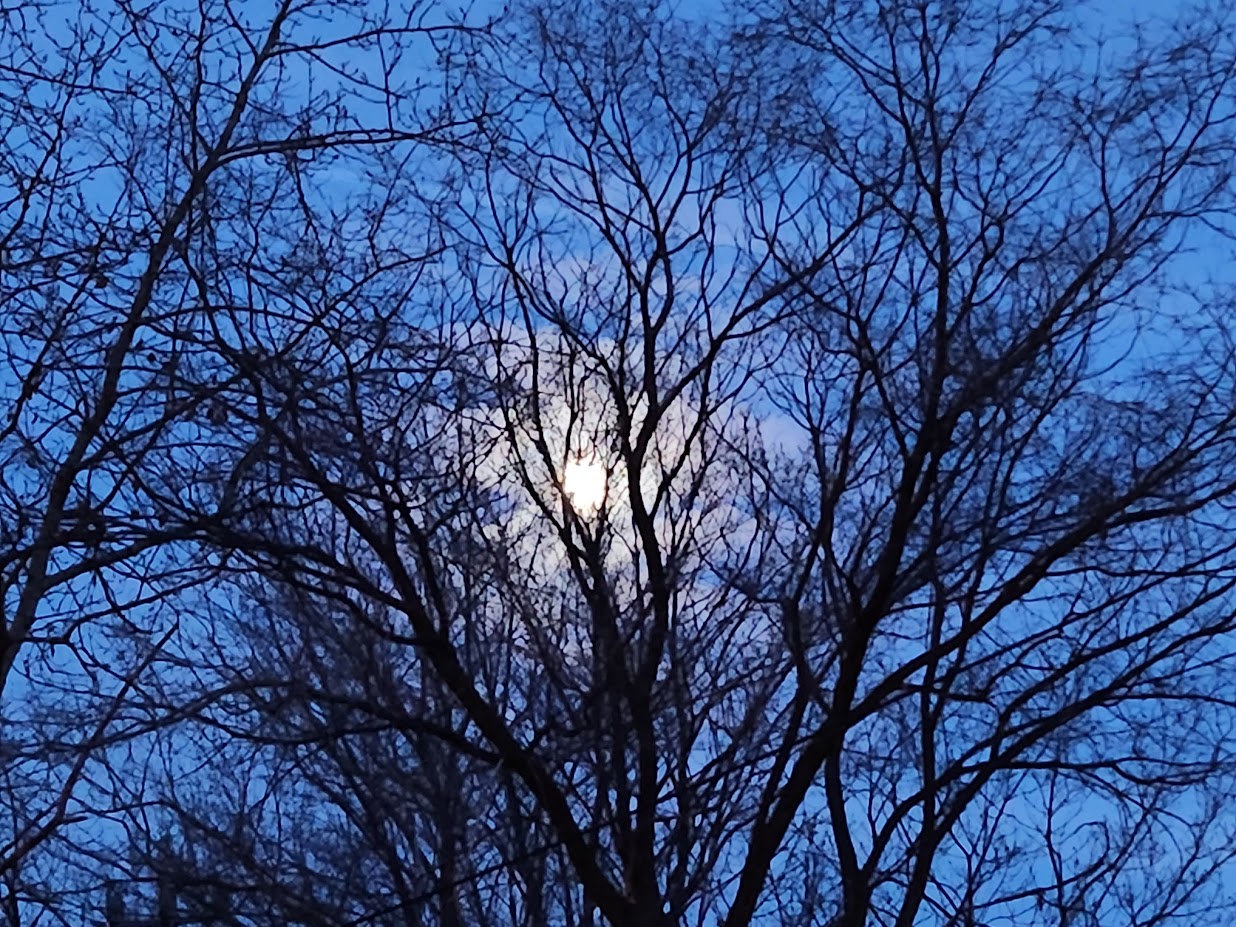
A heavily cloud-veiled moon above a winter naked tree.
A heavily veiled moon.

Chuck Wendig shares his writer’s resolution 2023: mounting an aggressive defense. Then, he declares, “Eat shit, robots!” (Or: No, the absolute intrusion of artificial intelligence is not inevitable.) Terribleminds

Lisa Hall-Wilson explains how to edit for deep point of view.

Visions of the future onscreen vs. reality—what came true? The Take

Greer Macallister considers choosing your habit, which reframes resolutions or goals in terms of habit-forming. Thought-provoking for this time of year. Then, Allyson Rice says, I’m sure I’ve landed on a federal list somewhere. Donald Maass discusses chaos and creating fiction. Then, Sarah Callender explains when good enough is good enough. Terah Shelton Harris discusses what we ask of our readers. Writer Unboxed

Elizabeth S. Craig offers some thoughts about writer self-care for the New Year.

Beatrix Potter: the secret life of a Victorian genius. Absolute History

Angela Ackerman wants you to force your character to make hard choices. Then, Colleen M. Story shares five reasons it’s still a good idea for a writer to have a blog. Writers Helping Writers

Ken Brosky reveals the biggest mistake even expert writers make. Then, Michael Evans presents the author-creator marketing playbook. Jane Friedman

How to set writing goals and actually achieve them. Reedsy

Karen DeBonis explains how to talk about your book. Then, J. Alexander Greenwood reveals how to get booked on a podcast by answering one question. Writers in the Storm

Tiffany Yates Martin finds out how Kyla Zhao revises by writing her way out of loneliness. Fox Print Editorial

Gabriela Pereira interviews Mary Robinette Kowal about writing diverse characters via nuanced shifts in language. Then, Manuela Williams talks about point of view in poetry. Stacy Frazer takes you from idea to drafting in five steps. Then, AK Nevermore shares how finding her tribe helped silence her self-doubt. DIY MFA

Chris Winkle analyzes five stories that crawl along. Then, Oren Ashkenazi says that the Willow series is a terrible sequel. Mythcreants

Hey! January 1st was public domain day 2023. Ever wanted to write something based on a property coming into the public domain? Duke Law

Another fabulous resource, courtesy of Jane Friedman: Dr. Mardy’s Dictionary of Metaphorical Quotations. Having trouble putting something to words? Find out how other writers and thinkers have done it. It really helps.

Thank you for visiting, and I hope you found something to support your current work(s) in progress.

Until Thursday, keep staying safe and well.
Tipsday: Informal writerly learnings, Dec 11-17, 2022

Happy Hanukkah (ongoing), and happy solstice (tomorrow) for those who celebrate! Here’s my gift to you: informal writerly learnings. Yeah, I share them every week, and you know what, every week they’re gifts 🙂 Enjoy!

Ann Marie Nieves answers your book PR and marketing questions about what to do on a budget. Then, Kathleen McCleary is facing down fear. Jim Dempsey explains how to make the most of your writing goals. Then, Barbara Linn Probst takes a closer look at how writers use beta readers: who, when, why—and does it help? Writer Unboxed

Can all monsters be traced back to Tiamat? Monstrum | PBS Storied

Lori Freeland offers five tips to boost your professional writing cred. Then, Colleen M. Story explains how to decide what you really want from your writing career. Stefan Emunds helps you tap readers’ subconscious to engage them in your story. Writers in the Storm

Why death magic is evil. Tale Foundry

Beth Kephart presents a quiet manifesto: blurb matters. Then, Allison K. Williams shows you how writing your synopsis can fix your book. Eva Langston shares what she learned from 90 queries. Then, Sangeeta Mehta interviews Susan Chang and Julie Scheina about what you need to know before hiring a developmental editor. Jane Friedman

When the world becomes small. A philosophical turn. Ze Frank

Lucy V. Hay reveals how to use real life to inspire your fiction. Then, Jami Gold explains how and when to use foreshadowing. Writers Helping Writers

On her own site, Jami follows up by explaining the difference between foreshadowing and spoilers

Nathan Bransford shows you how to write a character who’s adrift.

E.J. Wenstrom shares four lessons learned over a decade of author platforming. Then, Sara Farmer shares her favorite mystery shows. Kaira Rouda shows you how to use a setting you know to set your characters free. Later in the week, Monica Cox shares five tips to get unstuck from the murky middle of your manuscript. DIY MFA

The hidden meaning in the humanity of others. Like Stories of Old

Adeena Mignogna exposes common misconceptions about satellite orbits. Science in Science Fiction | Dan Koboldt

Tiffany Yates Martin is showing up for the good stuff. Fox Print Editorial

Angie Hodapp shares seven tips for writing powerful endings. Pub Rants

What to do (and not do) with your NaNoWriMo novel. Reedsy

Chris Winkle unpacks five tropes that require low realism. Then, Oren Ashkenazi explains why the Save the Cat! novel beat sheet won’t help you. Mythcreants

Angela Misri: Vivek Shraya proves kids’ books can help us explore messy truths. The Walrus

Thank you so much for visiting. It’s like your gift to me! And I appreciate it. I hope you found something to support your current work(s) in progress.

Until Thursday, keep staying safe and well, my writerly friends.

Tipsday: Informal writerly learnings, Dec 4-10, 2022

Welcome to the first full tipsday, post-NaNo 🙂 It’s time to stock up on informal writerly learnings. Enjoy!

LA Bourgeois is dealing with ambiguity. Then, Richelle Lyn recommends planning early for New Year’s success. Lori Walker interviews Deeba Zargarpur about blending family trauma with the supernatural. Then Melanie Bell explains how to write a novel with alternating timelines. DIY MFA

The childless woman trope needs a serious update. The Take

Greer Macallister: on endings and non-endings. Tiffany Yates Martin shares more words you’re probably using wrong. Then, Donald Maass considers the eighth element. David Corbett shares some writing lessons from Jess Walter. Then, Kathryn Craft lists seven ways public readings can help your writing. Writer Unboxed

What kind of fencing club is this, Wednesday? Jill Bearup

Penny C. Sansevieri helps you create bonus content to double your reader engagement. Then, Janice Hardy shares three easy tips to help you revise your novel. Piper Bayard exposes honeypots and the honey trap (writing spies series). Writers in the Storm

K.M. Weiland shares 15 tips to create the perfect writing space. Helping Writers Become Authors

Lisa Poisso exposes three action-reaction misfires that flatten your writing. Writers Helping Writers

How music brings mortals closer to gods. Fate & Fabled | PBS Storied

Nathan Bransford: finding the courage to leap.

Becky Robinson explains how to bridge the gap between online and offline activities. Then, Ariel Curry helps you build your writing self-efficacy. Tiffany Yates Martin answers this question: what if you’re new to writing and don’t know how to fix things? Jane Friedman

Tiffany Yates Martin wonders, what is your Wendy? Fox Print Editorial

Three act structure: writing a showstopping ending. Reedsy

Steven Fritz reveals radiation hazards in space and how to mitigate them. Science in Science Fiction | Dan Koboldt

Chris Winkle lists five common character arc blunders. Then, Oren Ashkenazi explains why Save the Cat! can’t write a novel. Mythcreants

Julianna Kim: a new author tweeted about a low book signing turnout and famous authors commiserated. NPR

Oxford selects its word of the year 2022: goblin mode.

Thank you for visiting, and I hope you found something to support your current work(s) in progress.

Until Thursday, keep staying safe and well, my writerly friends!

Tipsday: Informal writerly learnings, Dec 1-3, 2022

A short week of informal writerly learnings to get back on track with curation. Enjoy!

Angela Ackerman explains how to write antagonists readers can’t help but like. Writers Helping Writers

Tiffany Yates Martin learns how Vaughn Roycroft revises by redefining success. Fox Print Editorial

Why “female entertainment” still gets written off. The Take

Grace Bialecki explains the power and necessity of sitting with your critiques. Then, Adele Annesi presents an argument for setting aside arc in story development. Jane Friedman

Liza Nash Taylor makes some notes to self on making room to move ahead. Henriette Lazaridis wants to linger, tinker, savor: taking the time to get it right. Writer Unboxed

We might never speak to aliens. Here’s why. Hello, Future Me

James R. Preston offers five tips to manage the book galley journey. Writers in the Storm

Chris Winkle shows you six places to trim slow prose. Then, Oren Ashkenazi shares what Legends and Lattes teaches us about light stories. Mythcreants

Three act structure: writing a strong first act. Reedsy

Three act structure: writing an engaging middle. Reedsy

A.H. Plotts presents show, don’t tell: your novel as a movie script. DIY MFA

Merriam-Webster’s word of the year 2022 is … gaslighting.

And that was tipsday. Thanks for stopping by. I hope you found something to support your current work(s) in progress, whatever stage they’re at.

Until Thursday, keep staying safe and well!

Tipsday: Informal writerly learnings, Oct 16-22, 2022

This is the final tipsday of October (!) Will you NaNoWriMo this year? I am. It will probably be another NaNo rebel combo, though I will be focusing on Alice in Thunderland. It might actually be a novella, though I’m not certain, yet.

In any case, it’s time to get your fill of informal writerly learnings. Enjoy!

Richelle Lyn is teaming up with other solopreneurs. Then, Jeanette the Writer explains what an editor actually does. Stephanie Dethlefs helps you get to know your ideal reader. Later in the week, Ashley Christiano offers five meditations to help you find your writing confidence. DIY MFA

Jan O’Hara discusses journaling and the writer (episode: man versus table saw). Then, Barbara Linn Probst is grappling with the awkward question of “women’s” fiction. Sophie Masson considers food in fiction. Writer Unboxed

Janice Hardy lists five ways dialogue can annoy your readers. Fiction University

K.M. Weiland reveals the nine negative character arcs in the enneagram. Helping Writers Become Authors

This fairy tale is an actual nightmare. Tale Foundry

Becca Puglisi lists the ingredients for a successful story climax. Margie Lawson says, here be monsters: writers beware! Lynette M. Burrows shares seven ways to increase your creativity through workspace design. Writers in the Storm

Jessica Conoley is writing through the impossible. Then, Hattie Fletcher explains how to avoid taking edits too personally. C.S. Lakin helps you use weather to convey mood in fiction. Jane Friedman

On her own site, Susanne shares tips on how to bring setting to life in your fiction. Live, Write Thrive

Marissa Graff suggests five micro-edits to hook readers on your first page. Then, Julie Artz shares her top three world-building pitfalls and how to avoid them. Writers Helping Writers

The Rings of Power has a narrative momentum problem. Like Stories of Old

Nathan Bransford wonders, can you see what is and isn’t on the page?

Tiffany Yates Martin explains how to speak as well as you write (part 2). Fox Print Editorial

Kristen Lamb reveals why we love, hate, and need horror.

Chris Winkle explains why you should consider present tense. Mythcreants

Roz Morris interviews Jessica Bell on making good decisions about cover design. Nail Your Novel

Louise Harnby answers this question: can I place a dialogue tag before the character’s speech?

How to prevent creative burnout as a writer. Reedsy

Hannah McGregor shares how her Harry Potter podcast made her a better scholar. The Walrus

Jeff Beer explains why Marvel’s She-Hulk finale is the best branded content of the year. Fast Company

Michelle Cyca interviews Ann-Marie MacDonald on exile, imagination, and her new gothic ghost story. The Walrus

John Garth explains how J.R.R. Tolkien came to write the stories that were the source material for The Rings of Power. The Smithsonian Magazine

David Routt: HBO’s House of the Dragon was inspired by a real medieval dynastic struggle over a female ruler. The Conversation

Thanks you for spending some time with me, and I hope you took away something to support your current work(s) in progress.

Until Thursday, keep staying safe and well.
Tipsday: Informal writerly learnings, Oct 9-15, 2022

Another week, another batch of informal writerly learnings!

LA Bourgeois says, imagination, engage! Then, Stephanie BwaBwa shares some marketing systems and automations to support your self-publishing career. Olivia Fisher is tapping into the hearts of kids: crafting authentic voice in middle grade. DIY MFA

Ann Marie Nieves answers your PR and marketing questions, part IX: do you twerk? Then, Jim Dempsey wonders, is your book any good? Kathleen McCleary is out of character. Kathryn Craft on story and death and life. Then, David Corbett is crafting an unforgettable villain with lessons from Louise Fletcher’s portrayal of Nurse Ratched. Writer Unboxed

How this became the sad girl era. The Take

K.M. Weiland shows you nine positive characters arcs in the Enneagram. Helping Writers Become Authors

Janice Hardy shares five fun ways to take advantage of your characters’ fears. Then, Ellen Buikema lists ten ways to start your story. Later in the week, Julie Glover discusses the hardest book she’s ever written. Writers in the Storm

Hank Quense helps you build your own digital planner with Scrintal. Elizabeth Spann Craig

Gaia, the mother of creation. Fate & Fabled | PBS Storied

Sue Coletta helps you construct the skeleton of your story. Then, Angela Ackerman says that the key to a successful NaNoWriMo is using October wisely. Later in the week, C.S. Lakin says less is more when it comes to describing setting. Writers Helping Writers

Jessica Bell points out the key elements of eye-catching book cover design. Joni B. Cole: you have a great idea for a story. Where do you start? Catherine Baab-Maguira explains why it’s better to write about money, not for money. Jane Friedman

Preptober tips! Do these ten things before NaNoWriMo. Reedsy

Nathan Bransford answers the question, “When should I stop sending query letters?”

Kristen Lamb considers motivation and how what drives us defines us.

Tiffany Yates Martin: how to speak as well as you write, part 1. Fox Print Editorial

Chris Winkle considers movement, the 2,300-year-old story principle. Then, Oren Ashkenazi analyzes five stories undermined by their epilogues. Mythcreants

Roz Morris: becoming you—how to develop confidence as a writer. Nail Your Novel

Overcoming perfectionism as a writer. Shaelin Writes

Sahar Arshad: from Never have I Ever to Bridgerton, the Desi girl era is here at last. Teen Vogue

Matthew Vogt: pantheon of superheroes. JSTOR Daily

Joyce Kinkead recounts the 5,000-year history of writer’s block. The Conversation

Jordan Pruett wonders, what counts as a bestseller? Public Books 

KC Hoard conducts a roundtable with designers: book cover confidential. The Walrus

Thanks for stopping by, and I hope you found something to support your current work(s) in progress, whatever stage they’re at.

Until Thursday, keep staying safe and well.
Tipsday: Informal writerly learnings, Oct 2-8, 2022

Fall is in the (very chilly) air! Hope all my Canadian friends had marvelous Thanksgiving weekends, but now, it’s back to the grind. Hello, Tuesday-that-feels-like-a-Monday. It’s time to reward yourself with some informal writerly learnings 🙂

K.M. Weiland explains (very briefly) how to pull off a plot twist. Helping Writers Become Authors

Karen DeBonis recommends you celebrate every writing milestone. Lisa Norman: welcome to the future, part 2. Stefan Emunds shares three principles to make your story experience as real-to-life as possible. Writers in the Storm

Tikbálang, the Filipino nightmare shapeshifter. Monstrum | PBS Storied

Elizabeth Spann Craig shares five tips to make your life easier as a writer.

Greer Macallister: knowing your no. Donald Maass returns with more novels that shouldn’t work but do, and why. Then, Sarah Callender is stealing style, structure, and subject from other writers: imitation and emulation. Susan DeFreitas: I’ll feel what she’s feeling.  Yuvi Zalkow is rewriting the bookstore event. Writer Unboxed

Jill Bearup gets creative: the fantasy heroine vs. the writer.

Joe Ponepinto is writing small for a bigger impact. Then, Allison K. Williams says motivation doesn’t finish books. Allison also starts her “Ask an Editor” series answering this question: when should writers stand their ground rather than defer to an editor? Jane Friedman

Tim Hickson fixes the final season of Legend of Korra. Hello, Future Me

E.J. Wenstrom helps you overcome the book promotion scaries. Then, Sara Farmer presents her favourite Jane Austen mysteries. Lori Walker interviews Carol Van Den Hende about finding inspiration and writing purpose-driven fiction. Then, Mason Engel reveals the secret to maintaining the motivation—and discipline—to write: writeforce. Rita Zoey Chin shares five tips for writing dynamic characters. DIY MFA

How to brainstorm effectively. Reedsy

Janice Hardy explains why “the worst that can happen” is terrible writing advice. Fiction University

Becca Puglisi says themes and symbols go together like peas and carrots. Writers Helping Writers

Tiffany Yates Martin discovers how Emi Nietfeld revises: writing and real life. Fox Print Editorial

How to structure a short story. Shaelin Writes

Chris Winkle explains when to kill a hero—or not. Then, Oren Ashkenazi hosts another three-way ANTS death match between Three Parts Dead, House of Blood and Earth, and A Master of Djinn. Mythcreants

Emily Zarevich wonders if Mary Wollstonecraft’s Letters Written During a Short Residence in Sweden, Norway, and Denmark was the original Eat, Pray, Love. JSTOR Daily

Justyna Pawlak and Simon Johnson announce that the scrutiniser of self, France’s Annie Ernaux, beats long path to Nobel literature prize. Reuters

And that was tipsday. Thanks for spending some time with me, and I hope you found something to support your current work(s) in progress, whatever stage they’re at.

Until Thursday, keep staying safe and well, my writerly friends.

Tipsday: Informal writerly learnings, Sept 18-24, 2022

It’s the last tipsday of September. Finish off the month in style by filling up on informal writerly learnings!

Disha Walia advises what not to include in the first chapter. Then, Angela Yeh helps you move past the middle muddle mood. Best line: “Writing a novel isn’t all sunshine and unicorn butts.” Adam W. Burgess presents LGBTQ+ literature in translation: Notes of a Desolate Man. Helen Scheurerer offers a masterclass in planning and writing a series. Later in the week, Diane Cohen Schneider shares five tips on how to add facts to fiction without sounding wonky. DIY MFA

Why Marilyn Monroe deserved much, much better from us. The Take

Matthew Norman recounts the thrill of changing lanes. Then, Dave King shares the view from inside. Barbara Linn Probst tell some wild and crazy research tales, or the things we do for our stories. Then, Julie Carrick Dalton explains how to attend a literary conference without checking a bag: keep calm and carry-on. Writer Unboxed

What’s up with your shoes? Another armour tier list. Jill Bearup

Janice Hardy suggests five ways to revive a novel that doesn’t work. Fiction University

Penny C. Sansevieri explains why writing conferences matter for writers. Then, Lynette M. Burrows helps you make music with character voices. Ellen Buikema is writing minor characters that matter. Writers in the Storm

Kahina Necaise presents the top four challenges of fantasy worldbuilding and how to overcome them. Live, Write, Thrive

Valkyries: the real story behind these warriors of legend. Fate & Fabled | PBS Storied

Di Ann Mills shares the art and purpose of subtext. Then, Jennifer Browdy is transforming coal into diamonds: telling painful true stories through fiction. Jane expands on her DOJ vs. PRH antitrust trial coverage in The Hot Sheet to explain why it doesn’t change the game for authors, regardless of outcome. Lisa Cooper Ellison says, to nail your book proposal, think synergies, not sections. Jane Friedman

Worldbuilding with giant monsters. Tale Foundry

Lucy V. Hay helps you reach the finishing line and celebrate a completed book. Writers Helping Writers

Nathan Bransford warns, don’t let your opening cement in your mind.

Literally no one likes a grammar cop. Otherwords | PBS Storied

Kristen Lamb explains how shame, regret, and guilt shape story.

Christina Delay advises us about avoiding blocks and refreshing ideas. Jami Gold

How much does it cost to self-publish a book? Reedsy

Chris Winkle points out seven easy sources of real-world danger. Then, Oren Ashkenazi analyzes six stories with cheap cop-outs. Mythcreants

Lucy Knight announces that Hilary Mantel, celebrated author of Wolf Hall, dies aged 70. The Guardian

The five principles of revision. Shaelin Writes

Leah Drayton reveals Toni Morrison’s advocacy against censorship: truth is trouble. The New York Public Library

Stephanie Morris shares autumnal equinox writing tips and rituals. Write of Die Tribe

Thank you for stopping by, and I hope you found something toe support your current work(s) in progress, whatever stage they’re at.

Until Thursday, keep stay safe and well, my writerly friends!

Tipsday: Informal writerly learnings, Sept 11-17, 2022

Another week, another batch of informal writerly learnings.

Therese Walsh reveals the problem behind the problem. Then, Jim Dempsey offers all the writing advice you’ll ever need. Juliet Marillier loves the magic of a writing retreat. Later in the week, Desmond Hall drops some more writing wisdom on us: escalations 1, 2, and 3. Writer Unboxed

Becca Puglisi offers this simple equation: conflict + choices = character agency. Helping Writers Become Authors

Let’s cosplay like it’s 1499. Jill Bearup

Janice Hardy says that the catalyst for character change is the dark night of the soul. Fiction University

Lori Freeland: not just another post on POV. Then, Colleen M. Story explains how your author platform helps you do more than sell books. Lisa Norman: welcome to the future, part 1. Writers in the Storm

Monstrous plants and the people who invent them. Monstrum | PBS Storied

Lisa Poisso says that feedback and editing are matters of the right eyes at the right time. Jami Gold considers point of view: is deeper always better? Writers Helping Writers

Jami follows up with this post on her own site: is deep POV always the best choice?

Junji Ito’s most disturbing story. Tale Foundry

Colice Sanders is rethinking transgender narratives. Then, Disha Wallia explains how to write a hook for speculative fiction. Carol Van Den Hende talks to Deborah Mortimer about intellectual property: copyrights, trademarks, and design marks, oh my! Later in the week, Heather Davis poses five questions that will guarantee you novel has a sturdy structure. DIY MFA

Kristen Tsetsi interviews Kern Carter about how business and creativity go hand in hand. Then, Susan DeFreitas lists three ways writerly grit leads to publishing success. Jane Friedman

How to structure your novel’s climax | Fourth quarter story structure. Ellen Brock

Tiffany Yates Martin wonders how you value your creative worth. Fox Print Editorial

Kristen Lamb lists the seven deadly sins of prologues.

Chris Winkle lists six ways to add emotion to your writing. Then, Oren Ashkenazi hosts a head-to-head-to-head ANTS showdown between Hawkeye, Moon Knight, and Ms. Marvel. Mythcreants

How to figure out what’s wrong with your story. Reedsy

Guy Kawasaki interviews Elizabeth Gruner about the Zen of writing, reading, and learning. The Remarkable People Podcast

Cait Gordon: the ableism and privilege behind “You must write every day.”

Rebecca Jennings says, in The Rings of Power, it’s not horrifying to be a woman. Vox

Alexi Duggins reports that The Rings of Power stars speak out against racist “threats, harassment, and abuse.” The Guardian

And that was tipsday.

Thanks for taking the time to visit, and I hope you found something to support your current work(s) in progress.

Until Thursday, keep staying safe and well, my writerly friends!

Tipsday: Informal writerly learnings, Sept 4-10, 2022

So far, September has been an awesome month, weather-wise. We’ve even had to use the portable air conditioner here and there.

Without further ado, here are your informal writerly learnings for the week. Enjoy!

LA Bourgeois suggests you boost your creativity with a break. Then, F.E. Choe helps you overcome the preciousness of your prose. Lori Walker interview Khirsten Wierman about overcoming differences and the ability to change. Kyomi O’Connor explains how she uses writing as a healing tool. Later in the week, Ellen Barker shares five ways to use literary fiction to write about the pressing topics of today. DIY MFA

How we overcorrected the damsel in distress. The Take

Greer Macallister points out the second most important thing. Then, Tiffany Yates Martin wonders, are you telling yourself the wrong stories? Donald Maass considers novels that shouldn’t work, but do—and why. Then, Kathryn Craft is exposing inner conflict in non-POV characters. David Corbett checks out a new model for self-publishing—Emily Kimelman. Writer Unboxed

Janice Hardy helps you take the work out of writing a scene. Then, Angela Ackerman explains how to use conflict to show character development. Fiction University

Chinnamasta: the headless goddess of self-sacrifice. Fate & Fabled | PBS Storied

K.M. Weiland wonders, do you need personal experience to write about something? Helping Writers Become Authors

Angela Ackerman explains how to amp up your conflict. Elizabeth Spann Craig

Angela Ackerman says, if you want to build tension, encourage your reader to ask questions. Then, Tom Bentley explains why persistence pays the weary writer. Allison K. Williams reveals how to get published in Modern Love, McSweeney’s, or anywhere else you want.  Jane Friedman

Kris Maze offers more ways to fix filler words. Then, Piper Bayard is writing about robberies and burglaries. Writers in the Storm

How to stay creative as a writer. Reedsy

Nathan Bransford says, don’t criticize a book’s editing unless you saw the original manuscript.

Chris Winkle shares some lessons learned from the cursed writing of Vicious. Then, Oren Ashkenazi evaluates five tropes that sound cool but rarely work. Mythcreants

Tiffany Yates Martin offers a caveat scriptor: when creators become the customers. Fox Print Editorial

Lincoln Michel unpacks some of the stats emerging from the PRH/SS Merger trial: no, most books don’t sell only a dozen copies. It’s a substack newsletter, but you can read one article for free.

We added 370 new words to the dictionary for September 2022. Merriam-Webster

And that was tipsday.

Thanks for stopping by. I hope you took away something to support your current work in progress, whatever stage it’s at.

Until Thursday, keep staying safe and well, my writerly friends!