Tipsday: Informal writerly learnings, Feb 5-11, 2023

Hope everyone had a fabulous Valentine’s Day. It’s time to nourish your creative self with some informal writerly learnings. Enjoy!

Janice Hardy shows you how to fix pacing problems: move along. Fiction University

Greer Macallister says your book is always new. Then, David Corbett interviews Damyanti Biswas about transitioning from literary to genre fiction. Kathleen McCleary notes the things that define us. Next, Kathryn Craft shares four ways to organize your third person POVs. Tracy Hahn-Burkett explains how to come back to your writing practice after you’ve been called away. Later in the week, Erma Clare says, friend or foe, ChatGPT has pushed language AI into the spotlight. Writer Unboxed

Six signs your book is ready to query. Reedsy

Diana Stout talks critiques—how to get them and how to receive them. Then, Sandy Vaile wonders, are you writing a shiny idea or a robust story? Stefan Emunds talks about the importance of desires, goals, motivation, and needs in storytelling. Writers in the Storm

K.M. Weiland offers some genre tips on how to write fantasy. Helping Writers Become Authors

Is Yuki-Ona the most terrifying snow monster? Monstrum | PBS Storied

C.S. Lakin helps you understand the intersection of premise and protagonist. Live, Write, Thrive

L. Diane Wolfe is rapid releasing a series. Elizabeth Spann Craig

Nathan Bransford says, if you think writing is easy, you’re probably not very good at it.

How to create subtext. Shaelin Writes

Casey Cooper answers the question, why do speculative things matter? Then, Adam Burgess considers the triumph of Two Boys Kissing. Lori Walker interviews Jenna Miller about her debut author’s journey. Next, JD wonders, why write a palate cleanser? DIY MFA

Tiffany Yates Martin answers the question, should I include a prologue in a query? And other prologue FAQs. Fox Print Editorial

The craft of writing effectively. Though in the academic context and eight years old, it’s applicable to all kinds of writing. University of Chicago Social Sciences

Becca Puglisi considers the moral villain. Writers Helping Writers

Chris Winkle says that managing exposition starts with simplifying the story. Then, Oren Ashkenazi explains why Sauron works and Arawn doesn’t. Mythcreants

Kristen Lamb: ‘twas the night before Valentine’s.

Thank you for spending some time with me. I hope you found something to support your current work(s) in progress.

Until Thursday, keep staying safe and well, my writerly friends.
Tipsday: Informal writerly learnings, Jan 15-21, 2023

You survived Monday! Reward yourself with some informal writerly learnings.

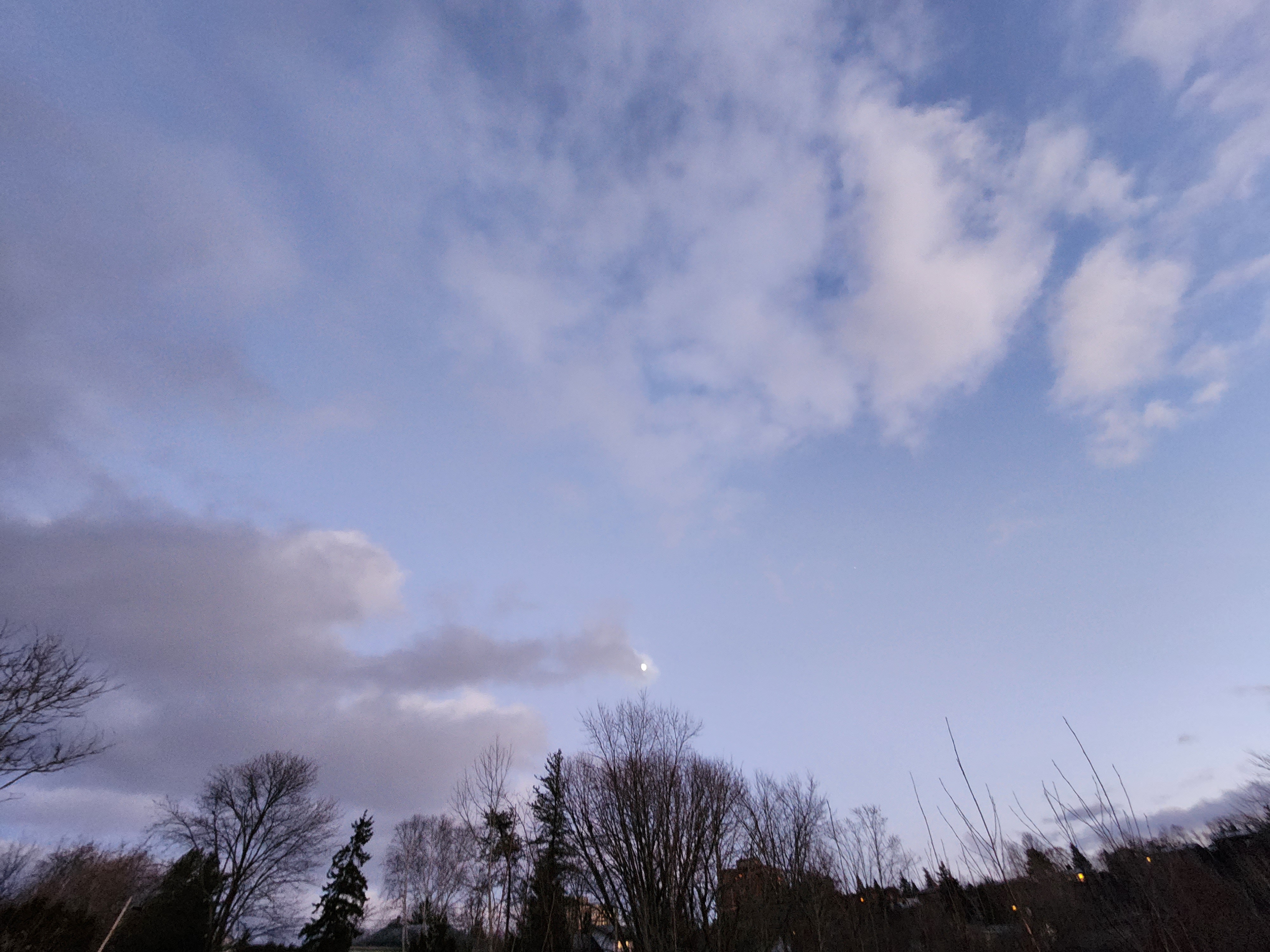
And a picture of a cloud that looks like a phoenix. Do you see it?

Jan O’Hara says, if you’re not writing, you may have ego-trapped yourself. Dave King: is prologue past? Desmond Hall drops some writing wisdom on pacing this month. Then, Diana Giovinazzo is learning to love the synopsis—Honey, I shrunk the plot! Writer Unboxed

Angela Ackerman explains how to write a book from start to finish in 13 steps. Then, Lynette M. Burrows helps you make flat characters genuine in eight (sort of) easy steps. Eldred Brid: do you have a story? Answer these six questions to find out! Writers in the Storm

Bad writing habits to stop in 2023. Reedsy

K.M. Weiland shares six lessons from four years of writer’s block. Helping Writers Become Authors

Elizabeth Spann Craig: when you’re stuck as a writer. Anyone see a theme here? Anyone? Bueller?

What critics don’t recognize about Avatar: The Way of Water. Like Stories of Old

Marissa Graff shares five ways to approach your novel like a trial lawyer. Writers Helping Writers

Nathan Bransford wants you to infuse your character’s desires into their observations.

Popular writing methods I don’t use and alternatives to try. Shaelin Writes

Tiffany Yates Martin explains why we can’t look away from White Lotus. Fox Print Editorial

Lori Walker interviews Kendare Blake about rebooting a beloved series. Then, Regina Meyer shares five tips on running your own book public relations and marketing. Amy Wallen lists 12 steps to get your book written. DIY MFA

Chris Winkle explains how to describe characters. Then, Oren Ashkenazi analyzes five stories with strong ensemble casts. Mythcreants

Thank you for spending some time with me, and I hope you took away something to support your current work(s) in progress.

Until Thursday, keep staying safe and well.

Tipsday: Informal writerly learnings, Dec 1-3, 2022

A short week of informal writerly learnings to get back on track with curation. Enjoy!

Angela Ackerman explains how to write antagonists readers can’t help but like. Writers Helping Writers

Tiffany Yates Martin learns how Vaughn Roycroft revises by redefining success. Fox Print Editorial

Why “female entertainment” still gets written off. The Take

Grace Bialecki explains the power and necessity of sitting with your critiques. Then, Adele Annesi presents an argument for setting aside arc in story development. Jane Friedman

Liza Nash Taylor makes some notes to self on making room to move ahead. Henriette Lazaridis wants to linger, tinker, savor: taking the time to get it right. Writer Unboxed

We might never speak to aliens. Here’s why. Hello, Future Me

James R. Preston offers five tips to manage the book galley journey. Writers in the Storm

Chris Winkle shows you six places to trim slow prose. Then, Oren Ashkenazi shares what Legends and Lattes teaches us about light stories. Mythcreants

Three act structure: writing a strong first act. Reedsy

Three act structure: writing an engaging middle. Reedsy

A.H. Plotts presents show, don’t tell: your novel as a movie script. DIY MFA

Merriam-Webster’s word of the year 2022 is … gaslighting.

And that was tipsday. Thanks for stopping by. I hope you found something to support your current work(s) in progress, whatever stage they’re at.

Until Thursday, keep staying safe and well!

Tipsday: Writerly Goodness found on the interwebz, July 4-10, 2021

Another week, another batch of informal writerly learnings. Enjoy!

Lauren J. Sharkey shares some advice about investments and returns. Then, Adam Burgess wonders if there’s a genre best suited to LGBTQ+ stories (and why it’s historical fiction). Gabriela Pereira interviews Emily R. King about fantasy inspired by Greek mythology. Later in the week, Aaron Poochigian shares a day in the life of a full-time poet. Then, Indiana Lee suggests five alternative tips to boost creativity for writers. DIY MFA

Jill Bearup tested corsets vs. knives (for science!)

Sophie Masson considers physical journeys in fiction. Then, Sarah Penner shares a pre-launch playbook for debut authors. Donald Maass wants you to think about pacing: faster than the speed of thought. Kathryn Craft presents the three Ws of scene orientation. Later in the week, David Corbett provides some advice on writing our country. Writer Unboxed

Kadija Mbowe analyzes Cuties.

K.M. Weiland explains how to use archetypal character arcs in your stories in part 22 of her archetypal character arcs series. Helping Writers Become Authors

Shaelin explains how to write historical fiction. Reedsy

And she follows it up with historical fiction tropes. Reedsy

Karen DeBonis wants you to find your writing rhythm. Then, Janice Hardy lists five steps to creating a unique character voice. Later in the week, Jenny Hansen (inspired by DeBonis) offers confessions of a devoted scene writer. Writers in the Storm

Why film and TV erased asexuality. The Take

Laurence MacNaughton explains how to stay motivated and keep writing. Fiction University

Becca Puglisi helps you change your reader’s perspective. Writers Helping Writers

Rachel Michelberg says, post-book launch depression is a thing. Jane Friedman

How film and Tv misrepresent neurodiversity. The Take

Kristen Lamb: the difference between magnificent and maddening is the burning desire.

Kristine Kathryn Rusch offers part eight of her fear-based decision-making series: fear and the future.

Nathan Bransford: don’t step on your surprises.

Chris Winkle shares five simple ways to make your prose easier to read. Then, Oren Ashkenazi lists six signs of a weak throughline. Mythcreants

Monique Gray Smith curated this list of 45 books that share stories and truths by Indigenous authors who identify as women and/or two spirit. CBC Books

Jane an Koeverden: Cherie Dimaline publishing sequel to The Marrow Thieves in fall 2021. CBC Books

Estefania Velez compiles this list of 15 books to celebrate disability pride. The New York Public Library

Guy Kawasaki interviews Haben Girma, lawyer, activist, and advocate for equal opportunities for people with disabilities. The Remarkable People podcast

Ellen Gutoskey lists the fascinating etymologies of 70 common words. Mental Floss

Thank you for taking the time to stop by. I hope you took away something to support your current work in progress.

Until Thursday, be well and stay safe!

Tipsday: Writerly Goodness found on the interwebz, March 21-27, 2021

It’s almost the end of March (!) and time to get your informal writerly learnings on 🙂

Erika Liodice shares some lessons found in a lost year. Heather Webb: your writing process says you’re a failure. Later in the week, John J. Kelley shows you what happens when everything changes—capturing profound character moments. Then, Desmond Hall shares his Desmond’s Drops for March. Writer Unboxed

Jill Bearup analyzes the Max vs. Furiosa fight from Mad Max: Fury Road.

K.M. Weiland continues her archetypal character arcs series with part seven: the mage arc. Helping Writers Become Authors

In search of absolute beauty. Like Stories of Old

Janice Hardy points out two words that lead to a stronger novel. Then, she explains how to show (and not tell) without raising your word count. OMG, do I ever need this! Fiction University

Shaelin helps you deal with creative slumps, writer’s block, and low motivation. Favourite quote: “That’s the bitch of capitalism, baby!” Shaelin Writes

Lisa Cooper Ellison wants you to beware of chapter-by-chapter critiques. Then, Susan DeFreitas lists three pitfalls when writing from your own life. Later in the week, Sharon Oard Warner helps you find your way to the end. Jane Friedman

Dr. Erica Brozovsky explores the unexpected origins of the word monster (w/ Dr. Zarka). Otherwords | PBS Storied

Elizabeth Spann Craig helps you handle perfectionism. The perfect is the enemy of the good.

Becca Puglisi asks, what is your character’s emotional shielding and why does it matter? Writers Helping Writers

Nathan Bransford explains how to write clear physical description.

Savannah Cordova busts some of the biggest myths in the publishing industry. Then, Marina Barakatt recounts how the Unbeatable Squirrel Girl takes over comics: not just dudes in tights. Later in the week, Gabriela Pereira interviews Simon Stephenson about voice, emotion, and metastory in a “mistopia.” Then, Stephanie Kane wants you to look at the bigger story. Gracie Bialecki shares five ways to have a healthy relationship of your writing group. DIY MFA

The serial killer trope, explained. The Take

Lisa Hall-Wilson shows you two ways to help readers connect emotionally with your characters. Later in the week, Ellen Buikema lists ten ideas for inspiring your writing with music. Writers in the Storm

Cordia Pearson: horses as change agents in fantasy. Dan Koboldt

Chris Winkle explains how to pace your story. Then, Oren Ashkenazi shares six principles for becoming a better worldbuilder. Mythcreants

David Shield: this Saskatchewan college is home to some of the rarest books in the world. CBC

Thanks for stopping by. I hope you found something to support your current work in progress.

Until Thursday, be well and stay safe!

Tipsday: Writerly Goodness found on the interwebz, Feb 21-27, 2021

Welcome to March! You’ve made it through Monday. Reward yourself with some informal writerly learnings 🙂

K.M. Weiland presents part three of her archetypal character arcs series: the hero arc. Helping Writers Become Authors

Writing Fat Characters – a conversation with Marianne Kirby | Writing the Other

Tiffany Yates Martin explains the difference between criticism and critique. Then, Tasha Seegmiller asks, are you a whole-hearted writer? Later in the week, Laurie Schnebly Campbell explains why character motivation matters. Writers in the Storm

Tim Hickson talks elemental magic systems. Hello, Future Me

Susan DeFreitas shares four key tactics for addressing backstory and exposition. Jane Friedman

Abigail K. Perry points out some must-knows about picking comparable titles. Then, Sara Farmer recounts crime authors caught up in real crimes, cozy to cold-blooded. Later in the week, Constance Sayers shares four historical fiction writing hacks. Then, Briana Cole offers five tips to get your story written fast. DIY MFA

Shaelin breaks down the Save the Cat plot structure. Reedsy

Janice Hardy offers some tips to understand and control your novel’s pacing. Then, Orly Konig shares some revision tips for pantsers: three steps to a full rewrite. Fiction University

Kasey LeBlanc is learning to say no thanks: standing up for your creative vision. Heather Webb declares that hope springs eternal: hang on, writers. We’re almost there. Then, Julianna Baggott shares the results of a survey on process: that thing you do. Later in the week, Julie Duffy wants you to focus on short fiction. Writer Unboxed

Literary Icons You NEED to Know from the Harlem Renaissance (feat. Princess Weekes). It’s Lit | PBS Storied

Kristen Lamb: tough choices are the professional writer’s daily grind.

Chris Winkle set out to praise “The Eye of Argon” and all she got were these lousy writing lessons (and a t-shirt?). Then, Oren Ashkenazi looks at ten justifications for oppressed mages and why they fail. Mythcreants

Bridgerton is a fan fiction about today. The Take

The Jewish American Princess – beyond the stereotype. The Take

Trey Mangum reports that Ta-Nehisi Coates will write the next Superman film for DC and Warner Bros. Shadow and Cut

Thanks for visiting. I hope you took away something to support your current work in progress.

Until Thursday, be well and stay safe!

Tipsday: Writerly Goodness found on the interwebz, June 9-15, 2019

Here we are, in mid-June, half-way through the year. Celebrate whatever you’ve accomplished and enjoy some informal writerly learnings 🙂

Arthur Klepchukov says, word count goals shouldn’t be your only goals. Jim Dempsey explains how to respond to criticism. Sarah Callender considers things she forgets to remember when she’s writing a novel: mood. Kathryn Craft: when something good incites story. Writer Unboxed

Julie Glover shares five tips for writing great dialogue from The Gilmour Girls. Barbara Linn Probst takes a fresh look at “writing what you know.” Writers in the Storm

Jenna Moreci returns with part three of her dialogue series: it’s all about tags.

K.M. Weiland lists six requirements for writing better character goals. Helping Writers Become Authors

Jami Gold: are story goals slowing your pace? Writers Helping Writers

Then, Jami follows up on her own blog: can passive goals ever be good for our stories?

Alexa Donne shares her magic editing hack that fixes pacing.

Nathan Bransford lists the most common mistakes writers make. Then he explains what it takes to write a good climax for a novel.

Leanne Sowul wants you to balance the supply and demand of the writing life. DIY MFA

Sarah McGuire explains how to guide a critique. Fiction University

Cat Rose explains how to survive a conference even if you’re an introvert. The Creative Penn

Bunny helps you select classical music to set any scene. Then, Oren Ashkenazi looks at four problematic tropes to drop and what you can do instead. Mythcreants

Jane van Koerverden reports on the $6K literary award to honour YA books written in an indigenous language. CBC

Thanks for stopping by and I hope you found something of value in the mix.

Until Thursday, be well. See you then 🙂

Tipsday2019

Tipsday: Writerly Goodness found on the interwebz, May 19-25, 2019

Another week, another batch of informal writerly learnings.

Vaughn Roycroft explains what makes a story epic … to him. Barbara O’Neal wonders, are you making writing harder than it needs to be? Heather Webb: protecting your creative mindspace. Writer Unboxed

Fae Rowan is soldiering on. Writers in the Storm

K.M. Weiland shares 20 of the most instructive quotes about writing. Helping Writers Become Authors

Victoria Mixon is contrasting and condensing characters: two sides of the same coin. Writers Helping Writers

The Tale Foundry looks at Sir Terry Pratchett’ unifying voice.


Allegra Huston stops by Jane Friedman’s blog to share the two basic rules of editing (and one rookie mistake).

Pamela Taylor is creating authentic character details: names. Research is fun! Then, Gabriela Pereira interviews Jodi Thomas: turning characters into people. DIY MFA

Chris Winkle helps you understand appropriative worldbuilding. Then, Oren Ashkenazi warns against seven ways writers sabotage beta reading. Mythcreants

Jami Gold explains how pacing helps readers care about our characters.

Thanks for stopping by. I hope you found something useful.

Be well until thoughty Thursday!

tipsday2016

Tipsday: Writerly Goodness found on the interwebz, Mar 24-30, 2019

Here we are in April (!) and here’s another week’s worth of informal writerly learnings.

Susan Spann explains how to prepare and use a DMCA takedown notice.  Liz Michalski is biting the bullet (journal) and tracking her writing habit. Barbara O’Neal: spring planting for writers. Heather Webb answers the question: no, really, why do you write? John J. Kelley wonders, whose character is it, anyway? Writer Unboxed

K.M. Weiland shares four pacing tricks to keep readers’ attention, courtesy of Captain Marvel. Helping Writers Become Authors

Jenna Moreci shares her top ten tips for writing your first chapter.


Jules Horne drops by Jane Friedman’s blog to discuss writing for audio: understanding attunement.

Joanna Penn interviews Damon Suede about strengthening your writing with the power of words. The Kobo Writing Life Podcast interviewed Damon a couple of weeks ago and it was both informative and entertaining 🙂 The Creative Penn

Manuela Williams: seven questions to ask when building your author brand. Gabriela Pereira interviews Samantha Downing, Barbara Poelle, and Jen Monroe about the author/agent/editor relationship. Laura Highcove lists five steps to create agency in your writing life. DIY MFA

Chris Winkle examines six stories sabotaged by their tone. Then, Oren Ashkenazi covers six common villain mistakes and how to avoid them. Mythcreants

Alison Flood looks at the rotten side of self-publishing: plagiarism, “book-stuffing,” and clickfarms. The Guardian

I hope you found something you can use in your creative practice or business.

Come back on Thursday for some thoughty inspiration.

Until then, be well, my friends!

tipsday2016