Tipsday: Informal writerly learnings, April 2-8, 2023

Welcome to the last tipsday for the foreseeable. As I mentioned in my most recent next chapter weekly, I’m cutting back on social media to devote more time to writing and revision.
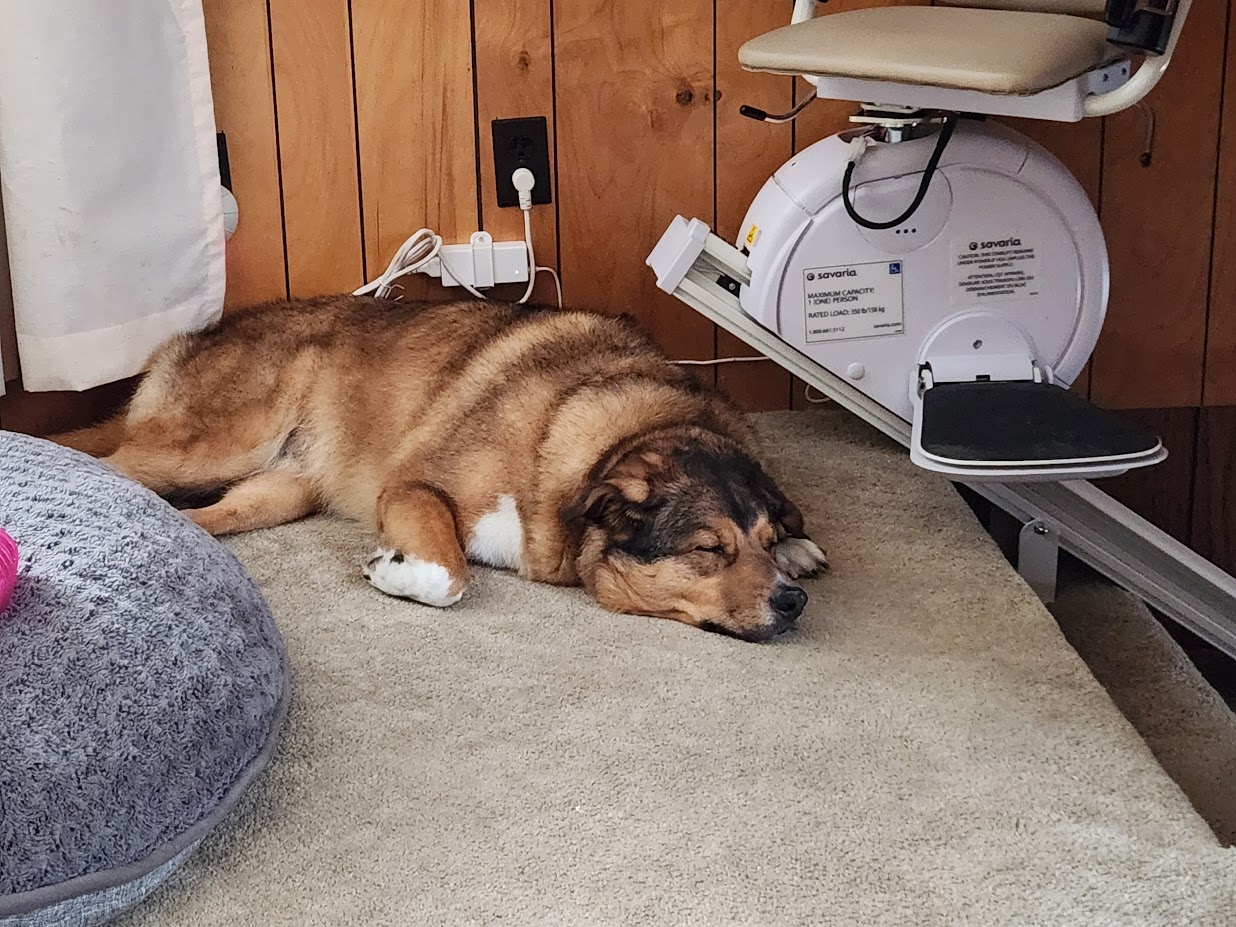
It’s been a while since Torvi made an appearance 🙂

Julianna Baggott: yes, I know how hard it is. Donald Maass explains where connection comes from. Then, Elizabeth Huergo muses on frigates and ChatGPT. Writer Unboxed

Margie Lawson is writing fresh: laughs, giggles, and snorts that carry power. Then, Hannah Jacobson explains what you can do with book awards and reviews. Stefan Emunds says characterization is one of the most vital writing skills. Writers in the Storm

What makes a movie “feminist”? Princess Weekes

Elizabeth Spann Craig is writing longhand.

Becca Puglisi says, if you need organizational help, try Trello. Then, Colleen M. Story shares six ways to make your author blog more successful. Writers Helping Writers

Is cyberpunk actually punk? Tale Foundry

Amy L. Bernstein provides a framework for moving beyond your first draft. Then, Matt Holmes lists the four pillars of book marketing, or how to sell more books in less time. Amy Goldmacher explains how to differentiate between desire and desperation in pursuit of publication. Next, John Matthew Fox helps you find comp titles using ChatGPT. Jane Friedman

My revision process—first draft to ready for publication. Shaelin Writes

Ashley Christiano shares chakras for storytellers, part 2: putting concept into practice. Then, Manuela Williams considers four poetry book cover design trends. Stacy Frazer explains how to recover from creative burnout and enhance your energy. Next, Lori Walker interviews Danielle Mitchell about reading and writing poetry. Brenda Rech shares five things she learned by entering writing contests. DIY MFA

Seven exercises to improve dialogue. Reedsy

Janice Hardy lists three steps to crafting a story arc that sucks (your readers in). Fiction University

Tiffany Yates Martin discovers how Camille Pagán revises—by betting on herself. Fox Print Editorial

Chris Winkle offers six tips for writing your first novel—and series. Then, Oren Ashkenazi analyzes five stories that undermine their own stakes. Mythcreants

Thank you for visiting, and I hope you found something to support your current work(s) in progress. You can always peruse the archives.

Until Thursday, keep staying safe and well, my writerly friends.
Tipsday: Informal writerly learnings, March 26-April 1, 2023

Welcome to April, and to tipsday, your opportunity to peruse a select curation of informal writerly learnings. Enjoy!

Kamm Prongay offers one writer’s introduction to reading and writing essay. Then, Lori Walker interviews Patricia Leavy about the magic and science of writing. Anna M. Holmes wonders, are book cover design and blurbs agony or ecstasy? Next, Francesca Miracola shares five things to consider when writing a memoir that covers difficult subjects. DIY MFA

The unbelievably tragic story of Cú Chulainn. Fate & Fabled | PBS Storied

Matthew Norman bemoans so many decisions. Then, Kim Bullock offers some self-care for writers in a pseudo-dystopian world. Tessa Barbosa offers some advice on handling editorial feedback without getting overwhelmed. Next, Mary McDonough is navigating and seeing beyond writers’ roadblocks. Julie Carrick Daltoon is playing with point of view: we are all heroes. Writer Unboxed

How to structure a heist. Mary Robinette Kowal

Janice Hardy explains how to make backstory work for you. Then, Rayne Hall is plotting a short love story. Fiction University

K.M. Weiland shares how archetypes changed her life and her writing. Helping Writers Become Authors

Kris Maze shows you how to gift your author estate — writing to retire, part 2. Then, J. Alexander Greenwood offers some tips from podcast hosts for a good show. Lynette M. Burrows is crafting a story with the forces of antagonism. Writers in the Storm

How Sherlock Holmes killed his author. Tale Foundry

Carly Watters defines upmarket fiction. Then, April Dávila helps you banish writer’s block in five minutes flat. Allison K. Williams explains why you should be writing on social media. Jane Friedman

Angela Ackerman explains how to uncover your character’s deepest fear. Then, she says, if your story needs a hit of organic conflict, look to your setting. Writers Helping Writers

How many words in a novel? Reedsy

Nathan Bransford: plinko scenes.

Tiffany Yates Martin considers lucky breaks and tough shakes. Fox Print Editorial

Chris Winkle points out six signs of over-summarized prose. Then, Oren Ashkenazi says these eight RPGs also deserve mediocre movies. Mythcreants

Thanks for taking the time to visit. I hope you found something to support your current work(s) in progress.

Until Thursday, keep staying safe and well.

Tipsday: Informal writerly learnings, March 19-25, 2023

It’s the last tipsday of March! Prepare to “go out like a lion” with some informal writerly learnings 🙂

Amy Christine Parker shares four powerful tools for creating dread in your fiction. Then, Constance Emmett discusses finding her writing tribe. Carol Van Den Hende offers three ideas to inspire Instagram-worthy book posts. Next, Lori Walker interviews Jinwoo Chong about exploring themes of grief and loneliness in a neo-noir speculative novel. Sara Gentry lists five ways numerical data can improve your novel. DIY MFA

How to write strong openings: action-driven vs. voice-driven. Mary Robinette Kowal

Susan DeFreitas: your story is amazing, but does it make sense? Dave King warns of critter danger. Then, Sophie Masson has the last word on epilogues. John J. Kelley discusses using social occasions to elevate your story. Writer Unboxed

Story Structure 101. Reedsy

K.M. Weiland presents two ways to write organic themes. Helping Writers Become Authors

Lisa Norman tells you all you need to know about how to write with AIs. Then, Ellen Buikema explains how to kill a character without enraging readers. Writers in the Storm

Where alcoholic drinks got their names. Otherwords | PBS Storied

Sarah Elizabeth Sawyer answers seven questions on writing about Native Americans. Then, Susanne Dunlap explains what memoirists can learn from historical novelists. Katie Bannon shares five reasons to write your taboo stories. Jane Friedman

Lucy V. Hay explains the importance of a great opening to a novel. Then, Becca Puglisi has some creative ways to brainstorm story ideas. Angela Ackerman wonders how much time do you waste as a writer? Writers Helping Writers

The best outlining tools for writers. Reedsy

Nathan Bransford explains how to edit someone’s novel.

Tiffany Yates Martin says don’t build your network. Fox Print Editorial

Chris Winkle shares lessons learned from the clichéd writing of Pendergast. Then, she explains the why and how of foreshadowing. Mythcreants

Gene Maddaus reports that the Writers Guild of America would allow AI in scriptwriting as long as writers maintain credit. Variety

Thank you so much for spending some time with me. I hope you found something to support your current work(s) in progress.

Until Thursday, keep staying safe and well, my writerly friends.

Tipsday: Informal writerly learnings, Feb 26-March 4, 2023

Monday is just a memory and tonight’s the full moon. Get ready to howl with some informal writerly learnings 🙂

Vaughn Roycroft discusses magic and spirituality in story. Then, Donald Maass asks you to consider Jack, in the box. Sarah Callender is trusting the process. And Liza Nash Taylor is hanging out with Honey Boo-Boo. Writer Unboxed

Is H.P. Lovecraft bad at writing? Tale Foundry

K.M. Weiland explains how to write a mystery. Helping Writers Become Authors

C.S. Lakin encourages getting “slick” with your novel’s theme. Live, Write, Thrive

Lisa Hall-Wilson provides ten examples of author intrusion in deep point of view and how to fix them. Then, Margie Lawson shares some writing rules to make you shine, not whine. James R. Preston: the boss fight, sherpas, and the devil’s in the details. Writers in the Storm

Why everyone hates the chosen one. Tale Foundry

Elizabeth Spann Craig discusses the differences between beta readers, ARC readers, and critique partners.

Stuart Horowitz explains the nuts and bolts of becoming and independent editor. Then, Grace Bialecki says, always read the acknowledgements page! Susan DeFreitas shares the two most critical tactics for getting emotion on the page. Jane Friedman

The surprising centuries-old origins of the unicorn. Fate & Fabled

Kristina Stanley and Lucy Cooke show you where to start a story edit. Then, P.A. Cornell lists ten things Lego has taught her about story building. Writers Helping Writers

Richelle Lyn offers a book coaching 101. Then, Sara Farmer shares more of her favourite mystery shows. Lori Walker interviews Dominique Richardson and Sorboni Banerjee about collaborating on a fairy tale-inspired YA series. Next, Stacy Frazer points out three common revision mistakes, and what to do instead. Monica Cox lists five tips for staying accountable during revision. DIY MFA

Tiffany Yates Martin discovers how Sherry Thomas revises: concentrating on the work. Fox Print Editorial

The trickster archetype: definition, examples, and how-to. The herald archetype. The shapeshifter archetype. The threshold guardian archetype. The villain archetype. Story Grid

Chris Winkle discusses doling out information during a scene. Then, Oren Ashkenazi analyzes Star Trek’s mediocre antagonistic species. Mythcreants

Thanks for visiting. I hope you took away something to support your current work(s) in progress.

Until Thursday, keep staying safe and well, my writerly friends.
Tipsday: Informal writerly learnings, Feb 12-18, 2023

Welcome to tipsday, where you can get the best of the week’s informal writerly learnings. Enjoy!

Ann Marie Nieves: so you’re interested in hiring a publicist. Jim Dempsey says, write for that someone special. Then, Barbara Linn Probst wonders what actually makes you a better writer? Writer unboxed

K.M. Weiland offers some tips on writing romance. Helping Writers Become Authors

C.S. Lakin explains what story hooks are all about. Live, Write, Thrive

Stories about stories about stories. Tale Foundry

Elizabeth Spann Craig reviews Amazon’s author page updates.

Roz Morris wonders, will AI writing threaten authors’ livelihoods? Nail Your Novel

Jane says negotiation is the one business skill she could grant all writers. Jane Friedman

Suzy Vadori helps you slay your bloated word count. Writers Helping Writers

Nathan Bransford says don’t dribble out morsels of information within a scene.

How to write dialogue. Reedsy

AK Nevermore defines science fiction and fantasy. Then, Lori Walker interviews Courtney Maum about genre-hopping, process, and time management as a working writer. Karmen Špiljak shares the secret ingredient. Next, Sebastián Calderón offers five techniques to connect with your novel. DIY MFA

Janice Hardy shares three ways “show, don’t’ tell” can strengthen your writing. Then, Lynette M. Burrows helps you create characters your readers love and hate. Eldred Bird lists five ways helping other writers helps you. Writers in the Storm

Jenna Harte explains how to find your readers. Fiction University

Tiffany Yates Martin: when will you be a success? Fox Print Editorial

Chris Winkle helps you judge what information your story needs. Then, Oren Ashkenazi analyzes five stories with disappointing prophecies. Mythcreants

Chuck Wendig considers AI and the fetishization of ideas. Terribleminds

Connor Garel explains why M. NorbeSe Philip declared war on her own book. The Walrus

Amna Khalid: the futility of trigger warnings. Persuasion

Thank you for visiting, and I hope you found something to support your current work(s) in progress.

Until Thursday, keep staying safe and well!

Tipsday: Informal writerly learnings, Feb 5-11, 2023

Hope everyone had a fabulous Valentine’s Day. It’s time to nourish your creative self with some informal writerly learnings. Enjoy!

Janice Hardy shows you how to fix pacing problems: move along. Fiction University

Greer Macallister says your book is always new. Then, David Corbett interviews Damyanti Biswas about transitioning from literary to genre fiction. Kathleen McCleary notes the things that define us. Next, Kathryn Craft shares four ways to organize your third person POVs. Tracy Hahn-Burkett explains how to come back to your writing practice after you’ve been called away. Later in the week, Erma Clare says, friend or foe, ChatGPT has pushed language AI into the spotlight. Writer Unboxed

Six signs your book is ready to query. Reedsy

Diana Stout talks critiques—how to get them and how to receive them. Then, Sandy Vaile wonders, are you writing a shiny idea or a robust story? Stefan Emunds talks about the importance of desires, goals, motivation, and needs in storytelling. Writers in the Storm

K.M. Weiland offers some genre tips on how to write fantasy. Helping Writers Become Authors

Is Yuki-Ona the most terrifying snow monster? Monstrum | PBS Storied

C.S. Lakin helps you understand the intersection of premise and protagonist. Live, Write, Thrive

L. Diane Wolfe is rapid releasing a series. Elizabeth Spann Craig

Nathan Bransford says, if you think writing is easy, you’re probably not very good at it.

How to create subtext. Shaelin Writes

Casey Cooper answers the question, why do speculative things matter? Then, Adam Burgess considers the triumph of Two Boys Kissing. Lori Walker interviews Jenna Miller about her debut author’s journey. Next, JD wonders, why write a palate cleanser? DIY MFA

Tiffany Yates Martin answers the question, should I include a prologue in a query? And other prologue FAQs. Fox Print Editorial

The craft of writing effectively. Though in the academic context and eight years old, it’s applicable to all kinds of writing. University of Chicago Social Sciences

Becca Puglisi considers the moral villain. Writers Helping Writers

Chris Winkle says that managing exposition starts with simplifying the story. Then, Oren Ashkenazi explains why Sauron works and Arawn doesn’t. Mythcreants

Kristen Lamb: ‘twas the night before Valentine’s.

Thank you for spending some time with me. I hope you found something to support your current work(s) in progress.

Until Thursday, keep staying safe and well, my writerly friends.

Tipsday: Informal writerly learnings, Jan 22-28, 2023

It’s the last tipsday (and last day) of January. Get your fill of informal writerly learnings for the week 🙂

Mary McDonough: when doody calls (AKA a telltale sign of writerly procrastination, and what it may reveal). Then, Jamie Beck considers the controversy around trigger warnings in literature: to warn, or not to warn. Emilie-Noelle Provost explains how to handle malicious online comments about your work: taming the haters. Next, Heather Webb says that self-soothing is really all about micro-tension. Liz Michalski tells a tale as old as time. Writer Unboxed

How brands ruin slang. Otherwords | PBS Storied

K.M. Weiland suggests six problems to troubleshoot when your story isn’t working. Helping Writers Become Authors

Deborah Zenha-Adams introduces us to the ancient science that can help you get your story written. Live, Write, Thrive

Elizabeth Spann Craig shares some advice about handling edits and critiques.

The dark side of happy endings. Tale Foundry

F.E. Choe wants you to be brief; be specific; be gorgeous. Then, LA Bourgeois shares five more creativity exercises for writers. Lori Walker interviews Jumata Emill about exploring social justice topics in a YA thriller. Next, Anna M. Holmes says that research is the key to immersive world building. Monica Cox shares five tips for making the most of your first read through. DIY MFA

Tiffany Yates Martin has some advice for college students on how to pursue a career in editing. Then, Julie Vick offers advice about promoting your book as an introvert in the age of TikTok. Jane Friedman

Shaelin shares her 6-arc story structure (character-driven and pantser-friendly) with template. Shaelin Writes

Christina Delay helps you build suspense with secrets. Then, Becca Puglisi discusses originalizing your story idea. Writers Helping Writers

Maria Connor shares five tips for managing your author business during times of crisis. Ellen Buikema: writing science fiction, part 1. Writers in the Storm

On writing antiheroes. Hello, Future Me

Tiffany Yates Martin has some advice about the Dunning-Kruger Effect or dealing with author despair syndrome. Fox Print Editorial

Joanna Penn interviews Oliver Altair about the importance of confident creative direction, voice, and taste in generative AI art. The Creative Penn

Chris Winkle explains why we stigmatize enjoyment. Then, Oren Ashkenazi ranks the climaxes of Marvel’s phase four, from worst to best. Mythcreants

Thank you for stopping by, and I hope you took away something to support your current work(s) in progress.

Until Thursday, keep staying safe and well, my writerly friends!

Tipsday: Informal writerly learnings, Jan 15-21, 2023

You survived Monday! Reward yourself with some informal writerly learnings.

And a picture of a cloud that looks like a phoenix. Do you see it?

Jan O’Hara says, if you’re not writing, you may have ego-trapped yourself. Dave King: is prologue past? Desmond Hall drops some writing wisdom on pacing this month. Then, Diana Giovinazzo is learning to love the synopsis—Honey, I shrunk the plot! Writer Unboxed

Angela Ackerman explains how to write a book from start to finish in 13 steps. Then, Lynette M. Burrows helps you make flat characters genuine in eight (sort of) easy steps. Eldred Brid: do you have a story? Answer these six questions to find out! Writers in the Storm

Bad writing habits to stop in 2023. Reedsy

K.M. Weiland shares six lessons from four years of writer’s block. Helping Writers Become Authors

Elizabeth Spann Craig: when you’re stuck as a writer. Anyone see a theme here? Anyone? Bueller?

What critics don’t recognize about Avatar: The Way of Water. Like Stories of Old

Marissa Graff shares five ways to approach your novel like a trial lawyer. Writers Helping Writers

Nathan Bransford wants you to infuse your character’s desires into their observations.

Popular writing methods I don’t use and alternatives to try. Shaelin Writes

Tiffany Yates Martin explains why we can’t look away from White Lotus. Fox Print Editorial

Lori Walker interviews Kendare Blake about rebooting a beloved series. Then, Regina Meyer shares five tips on running your own book public relations and marketing. Amy Wallen lists 12 steps to get your book written. DIY MFA

Chris Winkle explains how to describe characters. Then, Oren Ashkenazi analyzes five stories with strong ensemble casts. Mythcreants

Thank you for spending some time with me, and I hope you took away something to support your current work(s) in progress.

Until Thursday, keep staying safe and well.

Tipsday: Informal writerly learnings, Dec 25-31, 2022

Welcome to 2023, y’all! The week between Christmas and New Year’s is always a little quiet. I still managed to curate some informal writerly learnings for you 🙂

Jeanette the Writer answers the question: when should I start editing? Then, Lori Walker interviews Amy Christine Parker about maximizing your first chapter with great opening lines and characterization. Stephanie Dethlefs shares five things Pixar teaches about cause and effect. DIY MFA

Eldred Bird wonders what separates a good writer from a great writer. Writers in the Storm

Why fantasy isn’t just for kids. Tale Foundry

Tiffany Yates Martin helps you figure out if an editor is worth the money. Then, Susan DeFreitas poses three questions to ask yourself before you draft (or revise) a novel. Jane Friedman

Tiffany Yates Martin discusses rejecting “bests” and resolutions. Fox Print Editorial

Chris Winkle: what is a throughline in writing? Mythcreants

50 words you’ll want to start using. The List Show | Mental Floss

Katrya Bolger engages with textual healing: the novel world of bibliotherapy. The Walrus

Thank you for visiting, and I hope you found something to support your current work(s) in progress.

Until Thursday, keep staying safe and well, my writerly friends.

Tipsday: Informal writerly learnings, Dec 4-10, 2022

Welcome to the first full tipsday, post-NaNo 🙂 It’s time to stock up on informal writerly learnings. Enjoy!

LA Bourgeois is dealing with ambiguity. Then, Richelle Lyn recommends planning early for New Year’s success. Lori Walker interviews Deeba Zargarpur about blending family trauma with the supernatural. Then Melanie Bell explains how to write a novel with alternating timelines. DIY MFA

The childless woman trope needs a serious update. The Take

Greer Macallister: on endings and non-endings. Tiffany Yates Martin shares more words you’re probably using wrong. Then, Donald Maass considers the eighth element. David Corbett shares some writing lessons from Jess Walter. Then, Kathryn Craft lists seven ways public readings can help your writing. Writer Unboxed

What kind of fencing club is this, Wednesday? Jill Bearup

Penny C. Sansevieri helps you create bonus content to double your reader engagement. Then, Janice Hardy shares three easy tips to help you revise your novel. Piper Bayard exposes honeypots and the honey trap (writing spies series). Writers in the Storm

K.M. Weiland shares 15 tips to create the perfect writing space. Helping Writers Become Authors

Lisa Poisso exposes three action-reaction misfires that flatten your writing. Writers Helping Writers

How music brings mortals closer to gods. Fate & Fabled | PBS Storied

Nathan Bransford: finding the courage to leap.

Becky Robinson explains how to bridge the gap between online and offline activities. Then, Ariel Curry helps you build your writing self-efficacy. Tiffany Yates Martin answers this question: what if you’re new to writing and don’t know how to fix things? Jane Friedman

Tiffany Yates Martin wonders, what is your Wendy? Fox Print Editorial

Three act structure: writing a showstopping ending. Reedsy

Steven Fritz reveals radiation hazards in space and how to mitigate them. Science in Science Fiction | Dan Koboldt

Chris Winkle lists five common character arc blunders. Then, Oren Ashkenazi explains why Save the Cat! can’t write a novel. Mythcreants

Julianna Kim: a new author tweeted about a low book signing turnout and famous authors commiserated. NPR

Oxford selects its word of the year 2022: goblin mode.

Thank you for visiting, and I hope you found something to support your current work(s) in progress.

Until Thursday, keep staying safe and well, my writerly friends!