For the best effect, please read the headline of this post with an incredulous tone 😉
1) What are you reading?
Just like I work on multiple project in my writing, I read multiple books, both ebooks and print, cause I kind of have this problem. I can’t stop buying books of any variety (!)
So here’s my current reading list:
- 1Q84 by Haruki Murakami. Although I’m sure it suffers in translation, I’m enjoying this novel immensely.
- InFusion by Scott Overton. I’m beta reading this SF novel for an author friend. I’ll save my specific feedback for him, but, just so you know, I think it’s great 🙂
- The Art of Work by Jeff Goins. On finding your calling. It’s kind of serendipitous that I found out about this book back in January.
- Moon Called by Patricia Briggs. I picked this up last year after seeing Patricia at Ad Astra. I figured I should get off my butt and read it . . .
- Pain, Porn, and Complicity by Kathleen McConnell. An academic work on SF&F movies and television series. It’s been a while since I dipped my toes in that particular non-fiction pool.
- Lock In by John Scalzi. I’m listening to this on Audible. Narrated by the inimitable Wil Wheaton.
2) What was your favorite read in the last year (or month, or…)?
My favourite reading of recent recall is A Turn of Light by Julie Czerneda. I rated it five stars, though I haven’t written a proper review. Yet. This is the kind of fantasy novel I love to read. It’s also the kind I write and there were a lot of similarities between Czerneda’s Jenn Nalynn and Ferrathainn Devlin, the protagonist from my WIP. I was enthralled to the end 🙂
3) Do you have a favorite genre?
Yes and no. I favour fantasy novels of any age range, but I also read science fiction, historical fiction, the classics, mysteries, and romance novels (though I must say I haven’t read many of those recently). I try to alternate fiction and non-fiction reading, as well. Again, most on my non-fiction reads tend to be writing craft books, but I also read as a form of research for my various works in progress, and sometimes, stuff that I’m just interested in. I learn something from everything I read, even if I don’t particularly enjoy the book. In other words, I read as a writer.
4) Bend one step further: are there alternative forms of writing or art that you have found inspiring or even dabbled in?
In my “searching” phase of university (the undeclared years) I majored in music and art at different times. Performance anxiety put the brakes on my music career, though I still love to sing. I was summarily drummed out of art class when my professor called me nothing more than an “illustrator.” From time to time, I still sketch, but I’ve honestly never been very good. I’ve sunk all my creativity into my writing for a number of years now. In 2000, I did the crazy, being in between jobs, and auditioned for a Theatre Cambrian production of Hair (Y2K). I sang and danced in that, for what it’s worth 😉
6) Back to your main inspiration: Do you have “mentor” titles for the writing you are working on?
I’ll reframe this in terms of “comps,” or comparative works. As I mentioned above, I learn something from every book I read, so I don’t have any “mentor” titles, per se, though I would identify several novels/authors whose work I aspire to.
- The above-mentioned Julie Czerneda and her A Turn of Light. I’ve committed to read more by Julie.
- Juliet Marillier’s Celtic legend inspired Seven Waters series.
- Guy Gavriel Kay’s novels. Though he writes in a created world, it is based on painstaking historical research. I’m not that dedicated, but I love the stories he writes. He’s actually made me cry in the reading.
- Sherri S. Tepper. Just anything she writes. I love her ideas. Or should I say lurve?
6) If you didn’t already do this for #4, what music inspires your writing?
Okay, now you’re going crazy. Or you will if I offer up all 963 songs on my iPod (!) Suffice it to say that any music I like is generally something I’ll add to my playlist. I have music from the 60’s, 70’s, 80’s, 90’s, and the new millennium. I like some pop, a lot of alternative, celtic, and world music. I also have more eclectic selections on CD: The Rites of Spring, Satie’s gymnopedies, The Symphonie Fantastique, Carmina Burana, Gregorian chant, a number of Sequentia recordings (including the Eddas), gamelan music, Tibetan singing bells, shakuhachi flute music . . .
My favourite artists (I’ll pick up just about anything they release):
- Imogen Heap
- Tori Amos
- Sarah Slean
- Florence + the Machine
7) Have you ever thought of this: what book is your main character reading?
Interesting question. I’ll even answer it.
- Ferathainn Devlin: Sadly, all of Fer’s reading would be studying for her forthcoming initiation, so all of it would be history, scholarly works on magic, or non-fiction works on herbs and simples, astronomy, and the like.
- Charlene Kalveras: School textbooks, and, because of what’s happened to her father, true crime.
- Gerod: Owing to his impoverished upbringing in an environment of medieval feudalism, Gerod doesn’t know how to read. He learns, though.
- Marushka: She hasn’t had any formal schooling, hopping around the world in a magical hut, so she’s had to teach herself everything. She steals books from libraries and reads omnivorously.
8) Do you have a favorite book, article or magazine for writing advice?
Again, I have several 🙂
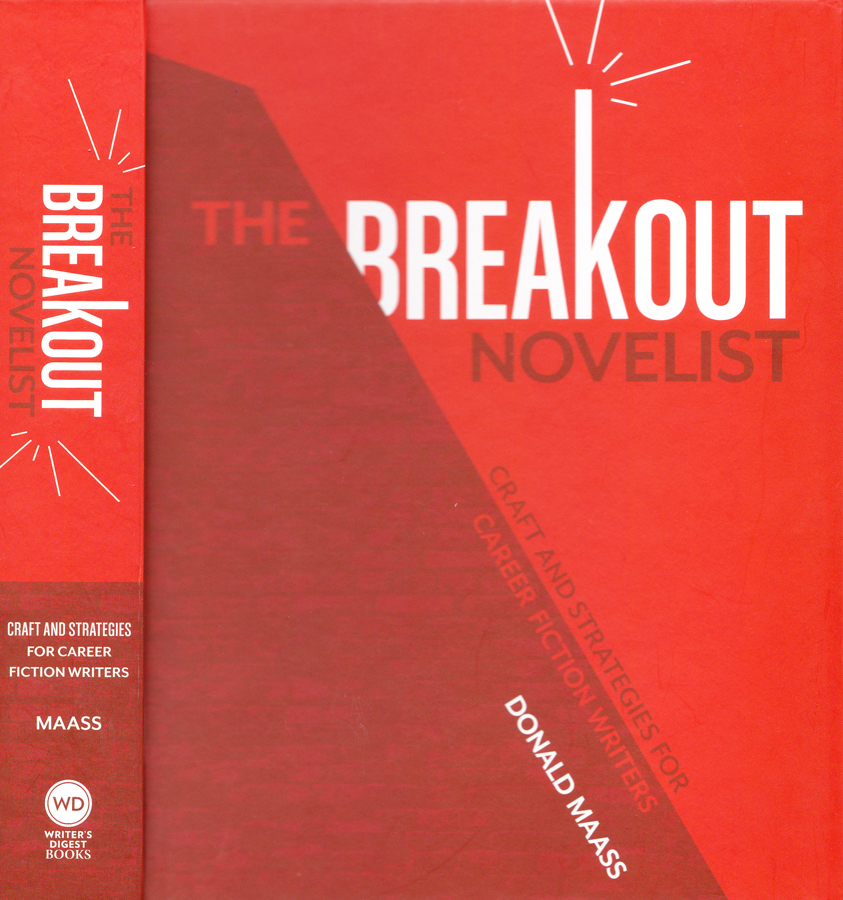
- Writing the 21st Century Novel, Donald Maass. Currently on loan to a member of my critique group. Actually all of Maass’s books have helped me immensely.
- Any of K.M. Weiland’s writing craft books.
- Any of Roz Morris’s Nail Your Novel series.
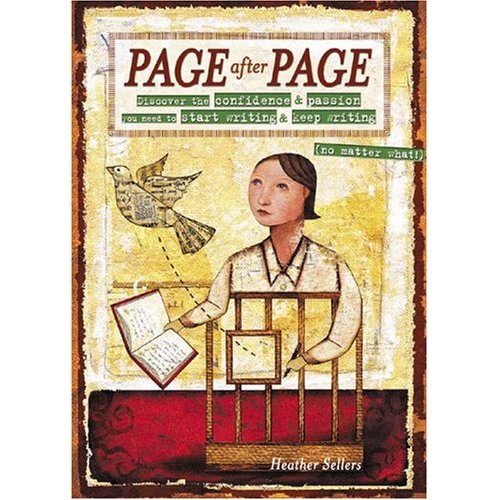
- And the books that have helped me find my way to the writing life: Natalie Goldberg’s Wild Mind and Writing Down the Bones; Julia Cameron’s The Right to Write; Heather Sellers’ Page After Page and Chapter After Chapter; Stephen King’s On Writing; Terry Brooks’s Sometimes the Magic Works; Jane Yolen’s Take Joy; and Ursula K. Le Guin’s The Wave in the Mind.
Powered by Linky Tools
Click here to enter your link and view this Linky Tools list…
Alrightie, then!
I’ll have a wee Sundog snippet tomorrow about miscellaneous stuff, ‘cause sometimes you need miscellaneous stuff, you know?


 Always Looking Up