Tipsday: Informal writerly learnings, Jan 1-7, 2023

Welcome back to tipsday, your opportunity to get your fill of informal writerly learnings.
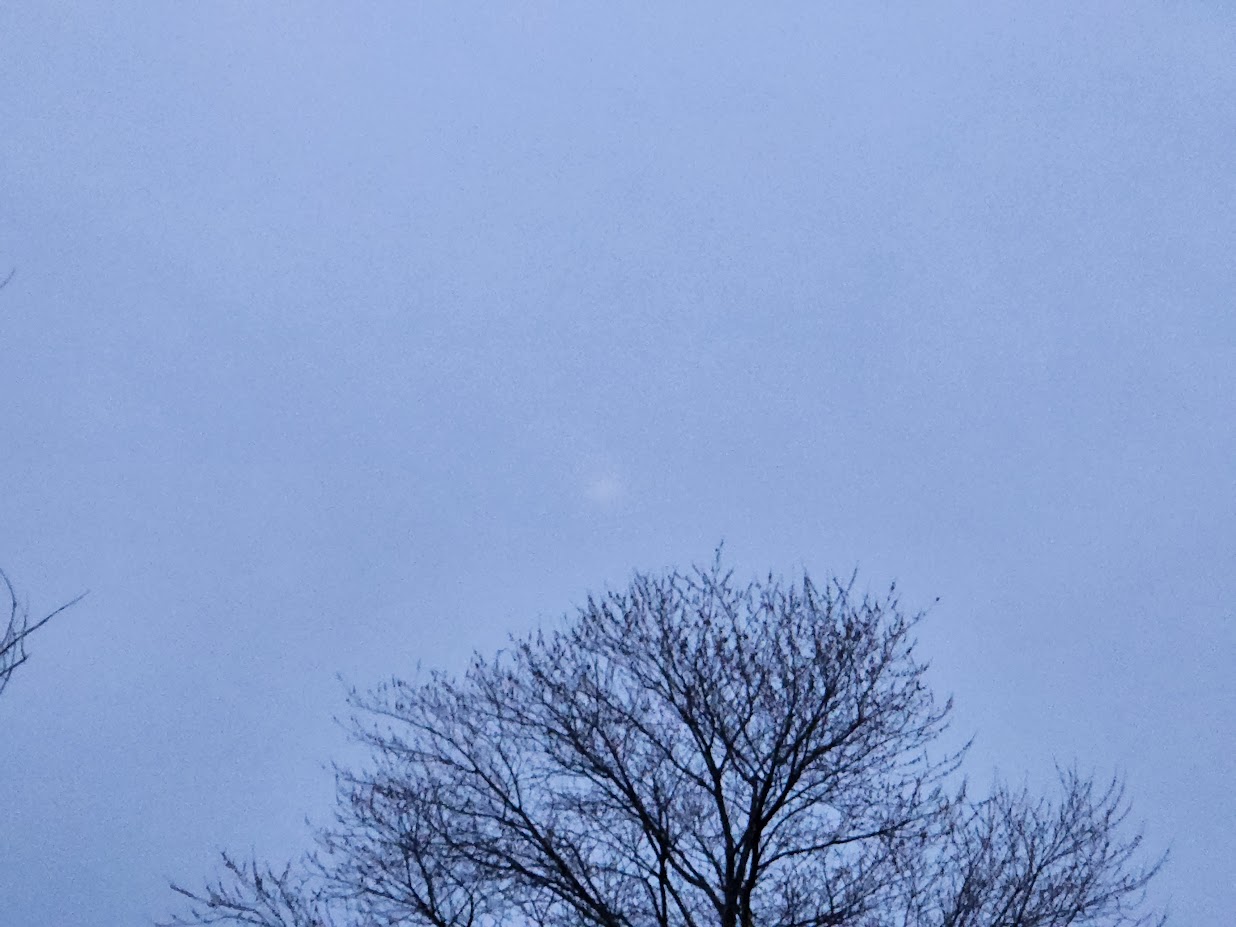
A heavily cloud-veiled moon above a winter naked tree.
A heavily veiled moon.

Chuck Wendig shares his writer’s resolution 2023: mounting an aggressive defense. Then, he declares, “Eat shit, robots!” (Or: No, the absolute intrusion of artificial intelligence is not inevitable.) Terribleminds

Lisa Hall-Wilson explains how to edit for deep point of view.

Visions of the future onscreen vs. reality—what came true? The Take

Greer Macallister considers choosing your habit, which reframes resolutions or goals in terms of habit-forming. Thought-provoking for this time of year. Then, Allyson Rice says, I’m sure I’ve landed on a federal list somewhere. Donald Maass discusses chaos and creating fiction. Then, Sarah Callender explains when good enough is good enough. Terah Shelton Harris discusses what we ask of our readers. Writer Unboxed

Elizabeth S. Craig offers some thoughts about writer self-care for the New Year.

Beatrix Potter: the secret life of a Victorian genius. Absolute History

Angela Ackerman wants you to force your character to make hard choices. Then, Colleen M. Story shares five reasons it’s still a good idea for a writer to have a blog. Writers Helping Writers

Ken Brosky reveals the biggest mistake even expert writers make. Then, Michael Evans presents the author-creator marketing playbook. Jane Friedman

How to set writing goals and actually achieve them. Reedsy

Karen DeBonis explains how to talk about your book. Then, J. Alexander Greenwood reveals how to get booked on a podcast by answering one question. Writers in the Storm

Tiffany Yates Martin finds out how Kyla Zhao revises by writing her way out of loneliness. Fox Print Editorial

Gabriela Pereira interviews Mary Robinette Kowal about writing diverse characters via nuanced shifts in language. Then, Manuela Williams talks about point of view in poetry. Stacy Frazer takes you from idea to drafting in five steps. Then, AK Nevermore shares how finding her tribe helped silence her self-doubt. DIY MFA

Chris Winkle analyzes five stories that crawl along. Then, Oren Ashkenazi says that the Willow series is a terrible sequel. Mythcreants

Hey! January 1st was public domain day 2023. Ever wanted to write something based on a property coming into the public domain? Duke Law

Another fabulous resource, courtesy of Jane Friedman: Dr. Mardy’s Dictionary of Metaphorical Quotations. Having trouble putting something to words? Find out how other writers and thinkers have done it. It really helps.

Thank you for visiting, and I hope you found something to support your current work(s) in progress.

Until Thursday, keep staying safe and well.
Tipsday: Writerly Goodness found on the interwebz, Jan 3-9, 2021

Welcome to tipsday, your chance to top up on informal writerly learnings.

Janice Hardy shares an easy fix for tighter point of view. Hint: nix those filter words! Fiction University

Greer Macallister offers the gift of critique. How to by way of how not to … Sarah Penner encourages you to rethink resolutions and habits as writers in 2021. Donald Maass: the real vs. the unreal. Nancy Johnson compiles this list of published authors sharing wisdom from their debut journeys. David Corbett: what now, storyteller? Writer Unboxed

The female assassin trope, explained. The Take

K.M. Weiland shares seven lessons learned in 2020. Helping Writers Become Authors

Karen DeBonis shares her writing goal for 2021: let go to love more (AKA, how I stopped worrying and learned to love editing). Janice Hardy offers a different approach to writing success this year (i.e. how dumping self-imposed deadlines can increase productivity). Julie Glover: how much of our real life shows up in our fiction? Writers in the Storm

Emily Zarka introduces us to the Kasogonagá: Sky Deity and Absolute Cutie. Monstrum | PBS Storied

Nathan Bransford explains how to set meaningful goals.

Colleen M. Story explains why writers should take more risks this year. Writers Helping Writers

Victoria R. Girmonde: worldview and the MG/YA genre. Story Grid

The wicked stepmother trope, explained. The Take

Sara Farmer interviews Elizabeth Little. Then, Gabriela Pereira wonders, where do we go from here? DIY MFA

Joe Bunting offers definitions and examples of the six shapes of stores. The Write Practice

Oren Ashkenazi analyzes five popular stories with conflicts that are too difficult. Mythcreants

Ron Friedman: rotating spacecraft and artificial gravity. Sci and Sci-fi

Clair Armitstead provides the 31-day literary diet for January 2021. Sure, we’re half-way through the month already, but who says you have to finish it all in January? Be a rebel. Start now and continue your literary snacking into February! The Guardian

Jesse Wente is reframing Indigenous stories in joy. CBC’s Ideas

Why should you read Toni Morrison’s “Beloved”? – Yen Pham TED-Ed

Kritika Agrawal shares seven fascinating facts about Octavia Butler. Mental Floss

Thank you for visiting, and I hope you took away something to support your current work in progress.

Until Thursday, be well and stay safe!

Tipsday: Writerly Goodness found on the interwebz, Dec 8-14, 2019

Here are some informal writerly learnings to peruse while you’re preparing for, or celebrating, the holidays.

Lori Freeland says that show, don’t tell, are the three most misunderstood words in a writer’s vocabulary. Then, Colleen M. Story shared seven ways writers can overcome holiday anxiety. Julie Glover is saying no to get to a more important yes. Writers in the Storm

Shaelin shares five of her favourite tropes. Reedsy

Rheea Mukherjee makes notes on writer dreams, gratitude, and the anxiety of authenticity. Jim Dempsey wants you to manipulate your reader’s point of view. Sarah Callender asks, is imitating the greats helpful or harmful? Kathryn Craft is manipulating story time for maximum effect. David Corbett shares a lesson in forgiveness from The Crown. Writer Unboxed

K.M. Weiland critiques: ten ways to write a better first chapter using specific word choices. Helping Writers Become Authors

Roz Morris shares five post-NaNoWriMo ways to use the holidays to keep your new writing habits … without revising too early. Nail Your Novel

Abigail K. Perry digs into James Scott Bell’s signpost scene 13: the final battle. Brenda Joyce Patterson takes a deep dive into the essay. Then, Constance Emmett shares five tips for post-publication survival and success. DIY MFA

Robert Lee Brewer points out the difference between lets and let’s. Writer’s Digest

Nathan Bransford offer the eight essential elements of a story.

Chris Winkle shares five ways to make multiple points of view more engaging. Then, Oren Ashkenazi explains why some dark topics are more sensitive than others. Mythcreants

Tim makes some excellent points about writing power escalation. Hello, Future Me

Heidi Fiedler stops by The Creative Penn: five ways to quiet your inner editor.

Jami Gold asks, what’s your core story?

Thank you for stopping by. I hope you’re leaving with some great resources for your current work in progress.

Until Thursday, be well!

Tipsday2019

Tipsday: Writerly Goodness found on the interwebz, Sept 2-8, 2018

It’s been a tasty week for informal writerly learnings 🙂

Donna Galanti explains how to build suspense: meet your readers in the middle and they will come. Writers in the Storm

It’s been a while, but Fae Rowan is back with part three of her series on five conflict-making choices your characters can make. Writers in the Storm

Anna Elliott: heartbeats. Writer Unboxed

Kathryn Magendie is letting go of the negative dark cycle. Writer Unboxed

Greer Macallister offers 25 truths about the work of writing. Writer Unboxed

Therese Walsh: that time Jane Friedman’s advice saved my novel. Writer Unboxed

Donald Maass has some suggestions in case you’re feeling stuck. Stories don’t get stuck; only writers do. Writer Unboxed

Related: Kristen Lamb wonders if your story is stuck and offers five reasons your novel is breaking down.

And another perspective: sometimes it’s okay to quit the thing you’re writing. Sometimes you have to quit writing a thing. As long as you don’t quit writing all the things. Chuck Wendig @Terribleminds.

Rachael Stephen: Solve any writing problem (with brainstorming!)


Then, she argues that you have to define your theme before you write (and dares you to fight her):


If you have sloppy writing habits, K.M. Weiland shares four strategies to deal with it. Helping Writers Become Authors

Merilyn Simonds drops by Jane Friedman’s blog: how long should it take to write a book?

James Scott Bell takes his turn in the Writers Helping Writers coaching corner: where’s your edge?

Leanne Sowul shares seven lessons learned from tracking her time. DIY MFA

Sera Fiana recommends five self-care tips to improve your writing process. DIY MFA

Jami Gold: what does it mean to write layered characters? Later in the week, she reflects on how goals, needs, and false beliefs create character conflict.

Ellen Brock shows you how to plot your novel fast.


Fay Onyx examines five common harmful representations of disability. Mythcreants

And that was Tipsday.

Come back for your weekly dose of Thoughty on Thursday!

Until then, be well, my writerly friends.

tipsday2016