Can-Con, October 17 to 19, 2025

A post-con report

A stylized C that looks like a planet with a ring with the word Can-Con below.

This year, Can-Con moved to a new venue, the Brookstreet Hotel. It was a beautiful event space and the hotel had all the amenities and then some.

But I’m getting ahead of myself.

I booked both Friday the 17th and Monday the 20th off work. In hindsight, I should have booked the Thursday as well and given myself some extra time to drive out, settle in, relax, and prepare. I’ll have to remember to do that, next year. And yes, I’ve already registered for next year’s convention.

Friday morning, my intention was to take off at 10 am, arrive around 4 pm, check in, and then attend the opening session at 5.

Unfortunately, my body decided to delay my departure until 11 am. I also had to top up the gas tank and grab a caramel toffee cold brew from Tim Horton’s before I could zoom.

One thing I finally figured out on my September trip to London was how to properly use Google Maps (!) Fun fact: I am weirdly selective about learning how to use technology.

The journey was uneventful. And beautiful!

There’s this point on Highway 17 between Mattawa and Deux Rivières where the road crests a hill and you get your first site of the Laurentians. It was particularly breathtaking on the 17th. Most of the surface was covered in pine and spruce, but there were vibrant patches of gold (birch and poplar) edged in orange and red (oak and maple). The cloud was low and scudded over the worn tops of the mountains.

I couldn’t stop to take a photo, but I wrote a poem about it afterward.

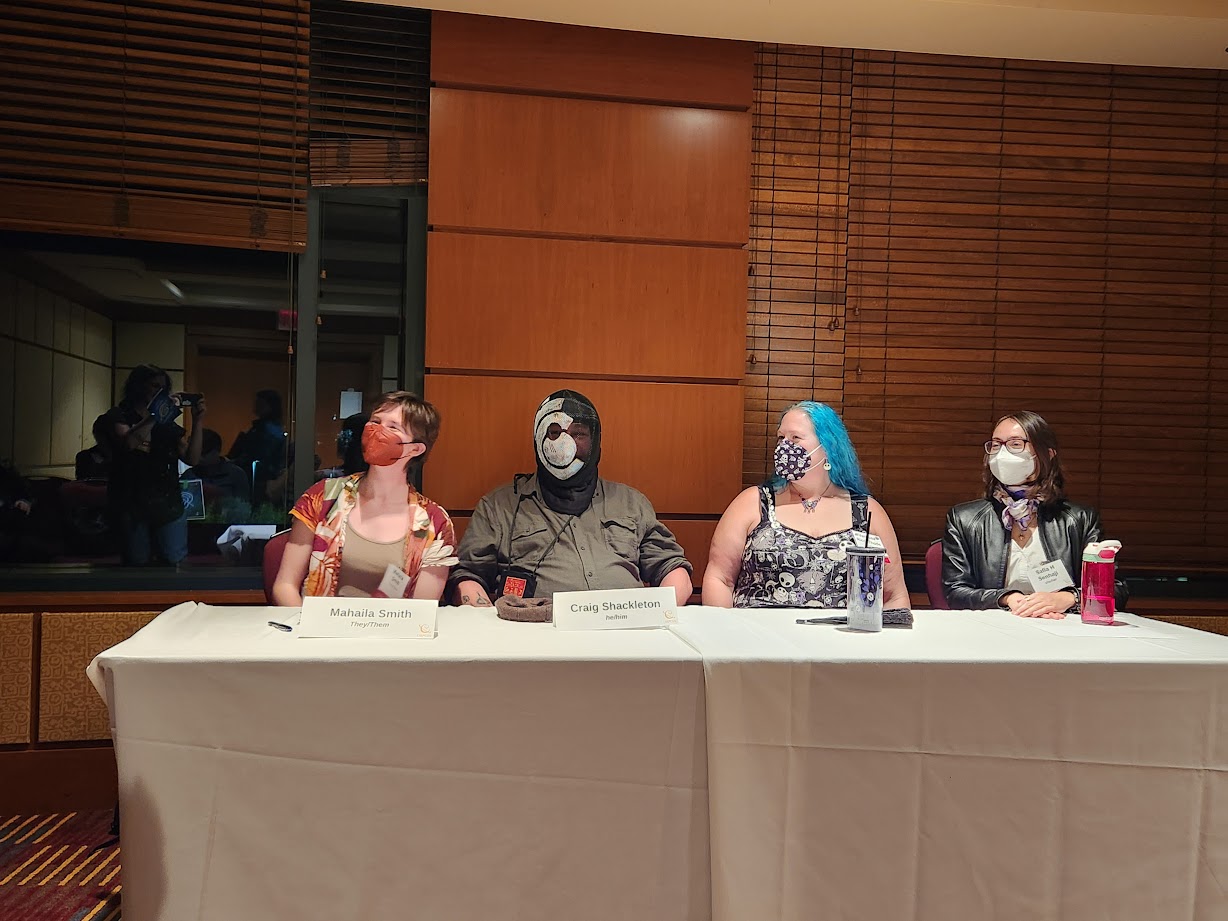
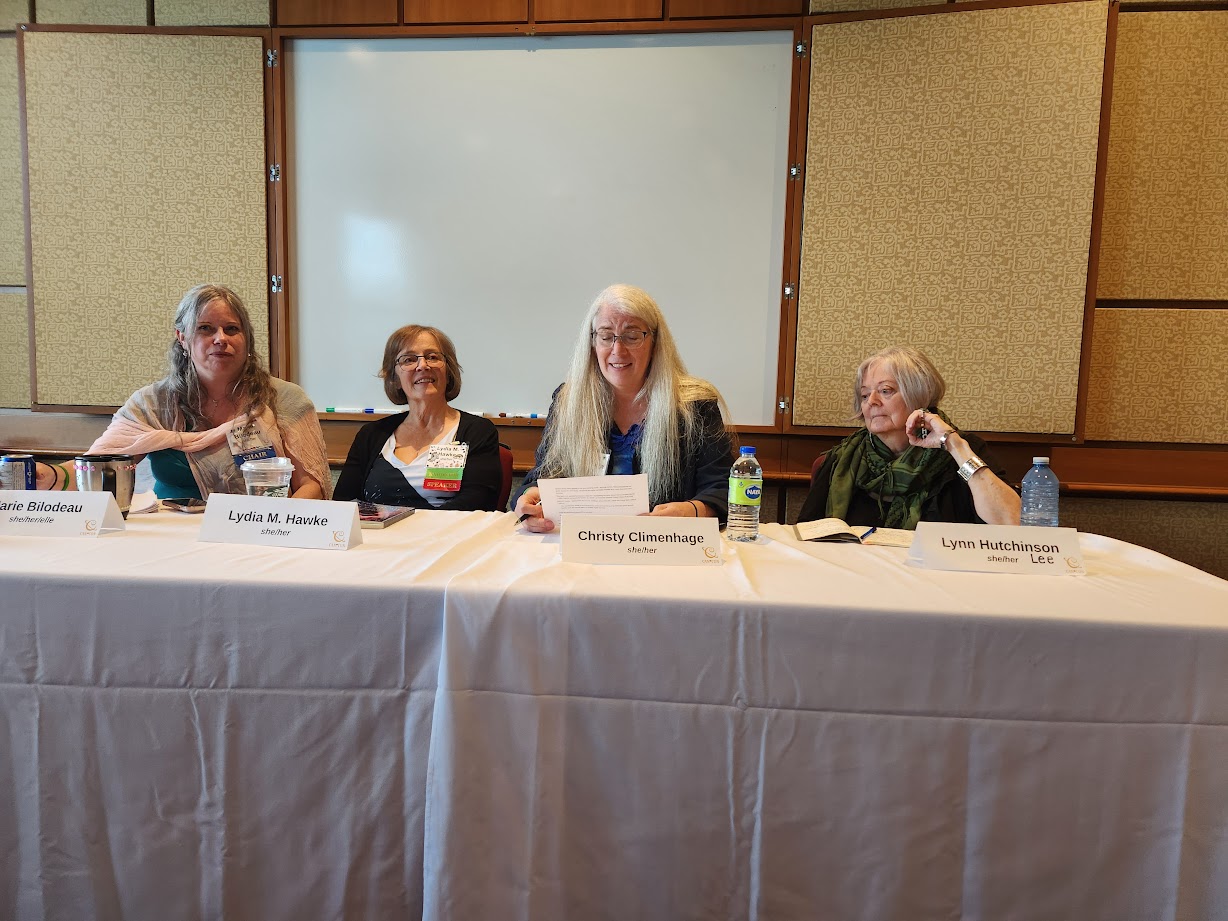
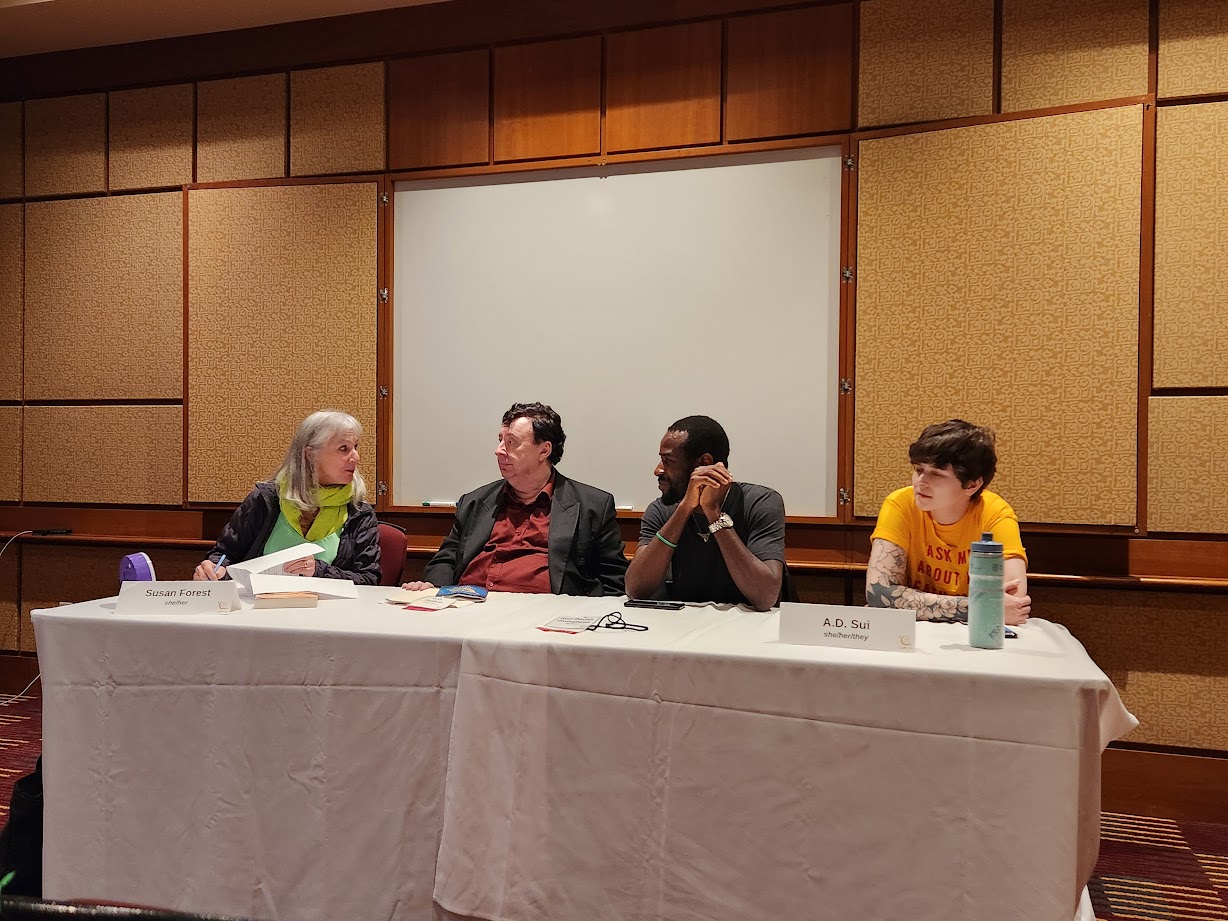
A picture of the Murderbot? Murderbot! panel.

Because of my delayed start, I didn’t arrive until after 5 pm. I checked into the Brookstreet, parked, resolved an issue with my key card, dropped everything off at my room, and headed down to catch one of the panels before mine.

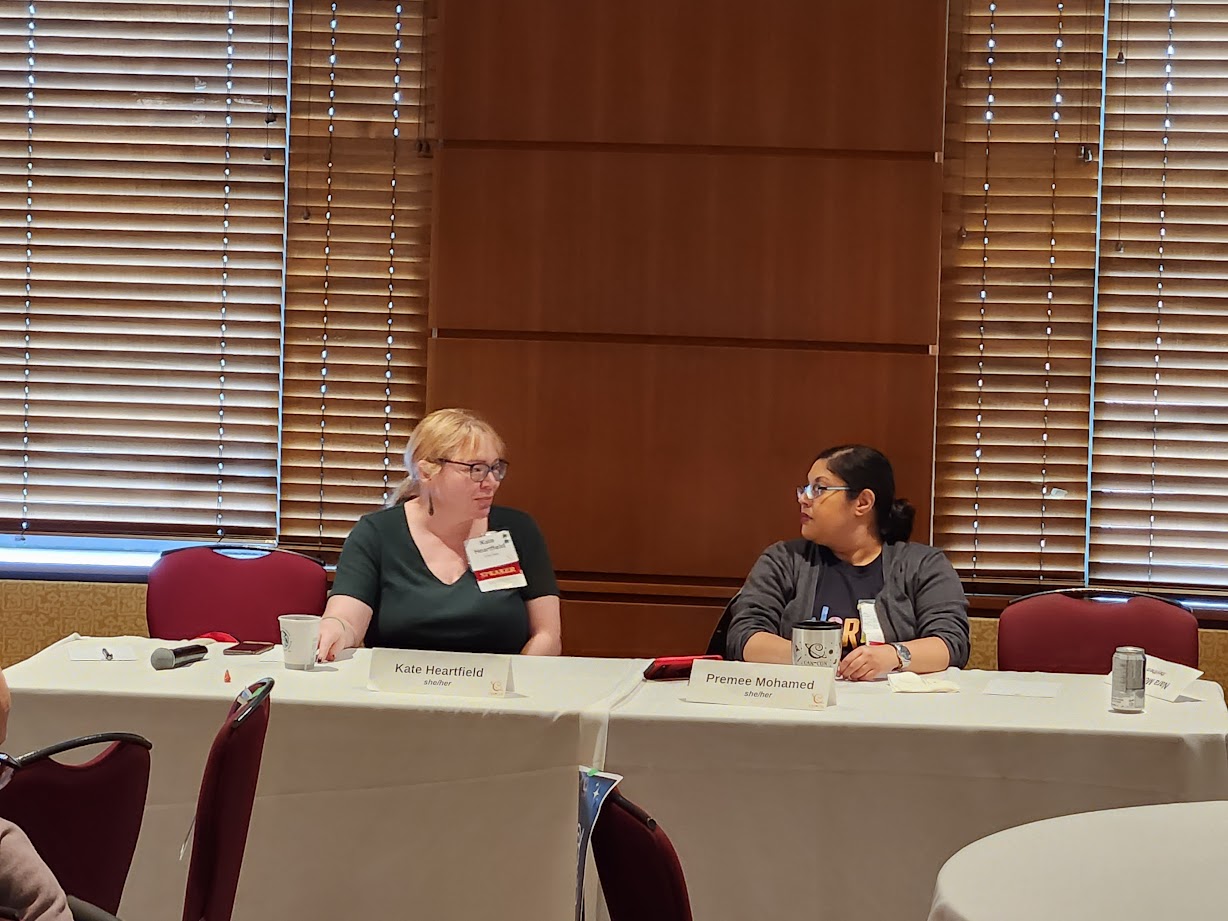
The Art of Rest panel was a lot of fun. I discovered that one of the other panelists is also from Sudbury (!) Many thanks to moderator Kaitlin (KT) Caul for organizing a great panel experience and to Nina Nesseth for being a great co-panelist. It was among the last panels on Friday night.

After, the lot of us migrated to Options, the hotel’s jazz lounge, and I enjoyed a late supper and their signature cocktail, the paper plane. Lovely. Again, much fun was had.

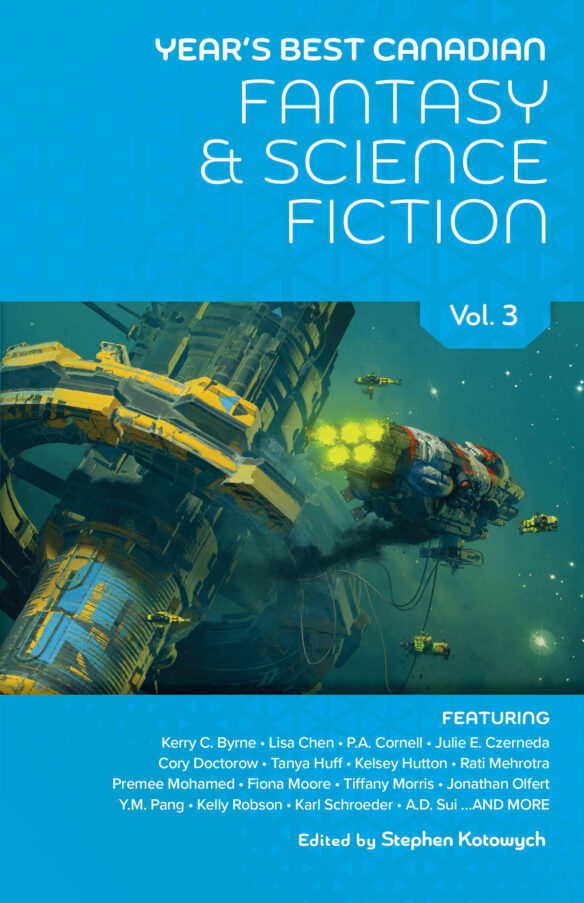
The cover of Years Best Canadian Fantasy and Science Fiction, Volume 3.

After a morning swim and breakfast, I attended panels all day on Saturday, as well as an unsuccessful pitch session (the publisher and I were hopelessly mismatched), and the launch of Year’s Best Canadian Fantasy and Science Fiction, Volume 3, in which my poem “Vasilisa” was reprinted.

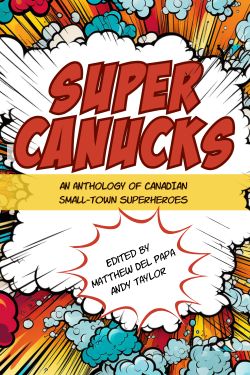
While I was moving between panels, I met several SF Canada members and other friends, including Andy Taylor, who shared some fabulous news. The anthology my next piece of short fiction will be published in, Super Canucks, had a cover! It won’t be published until March 2026, but it’s up on the Latitude 46 site! Pre-orders are open!

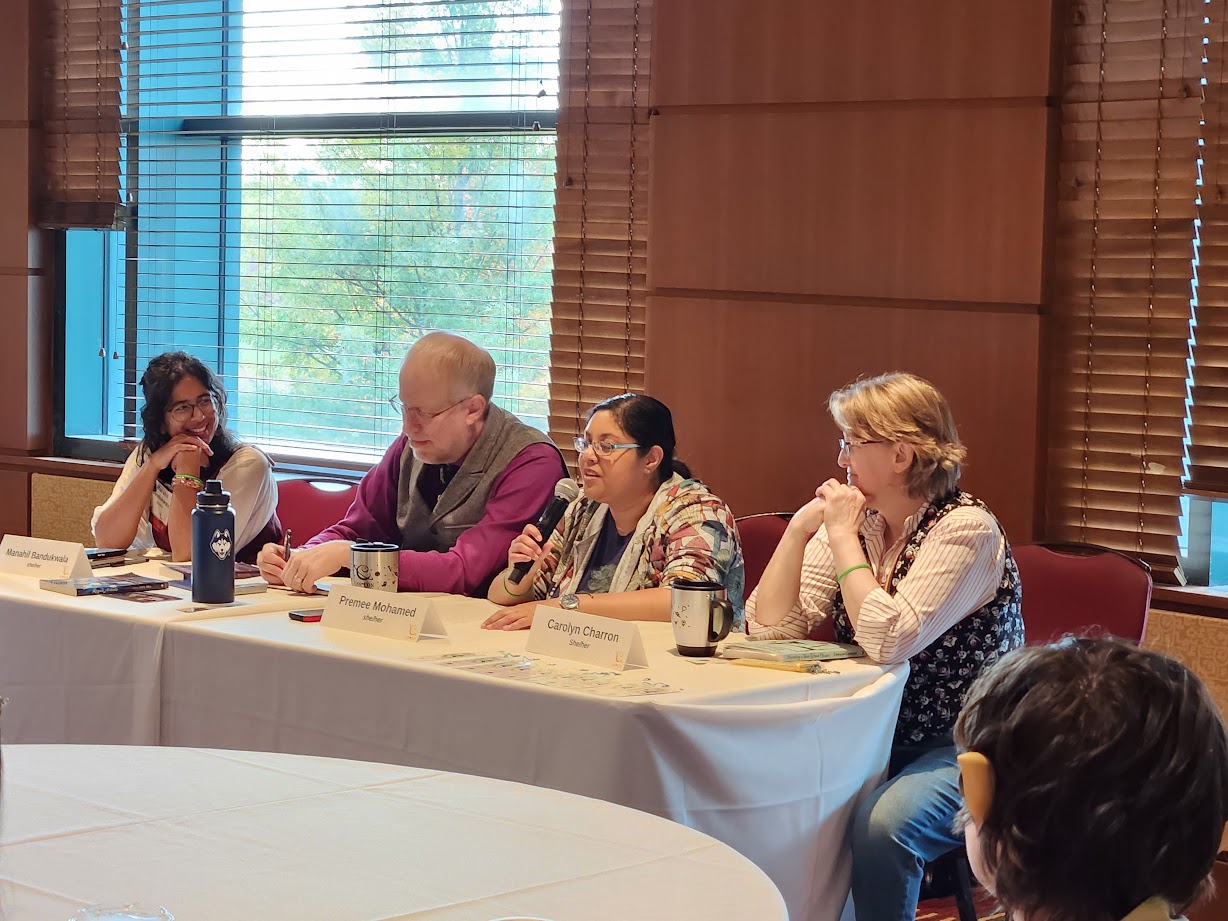
Highlights from Saturday:

After a long day of panels, I treated myself to a solitary supper at the Perspectives restaurant. Compressed melon salad, summer vegetable and truffle risotto, and a limoncello tartufo. Heaven!

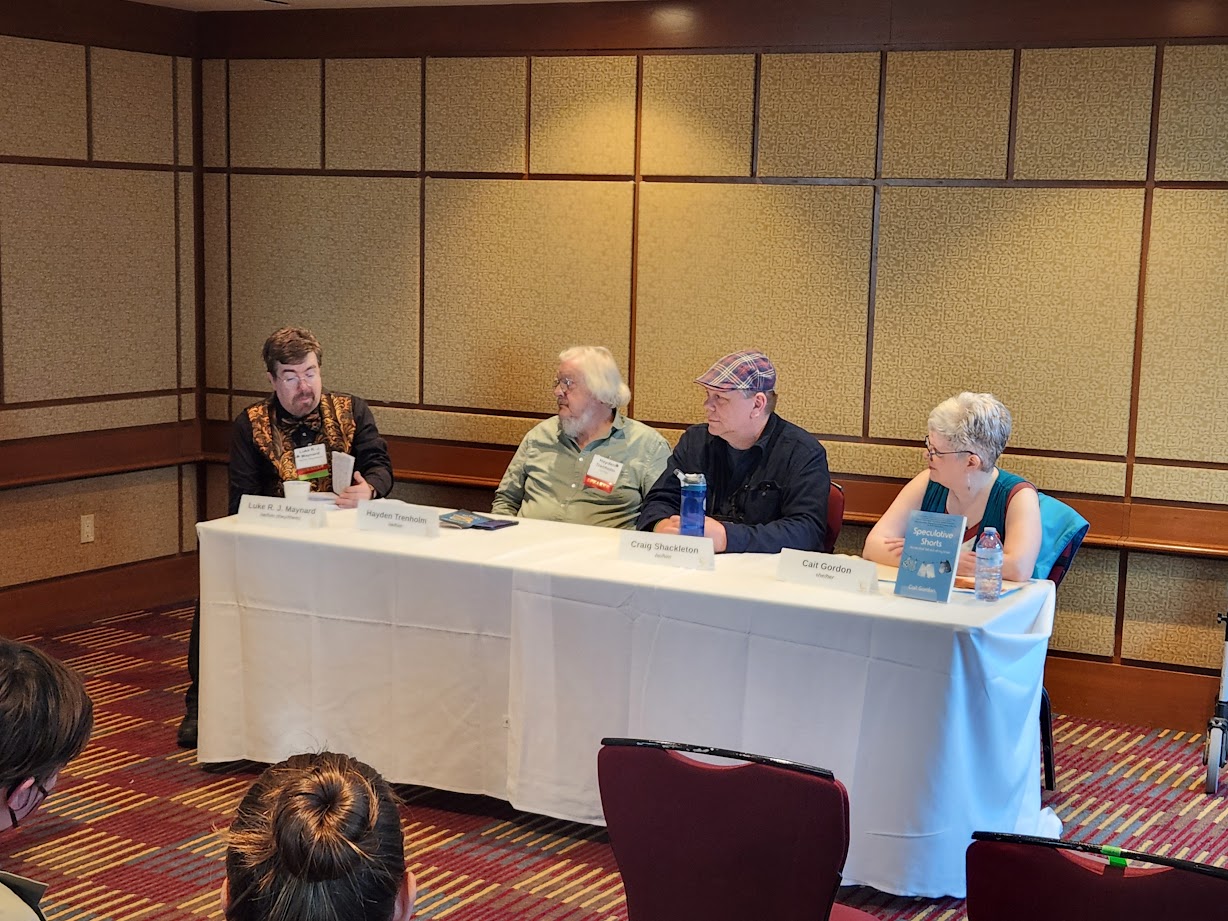
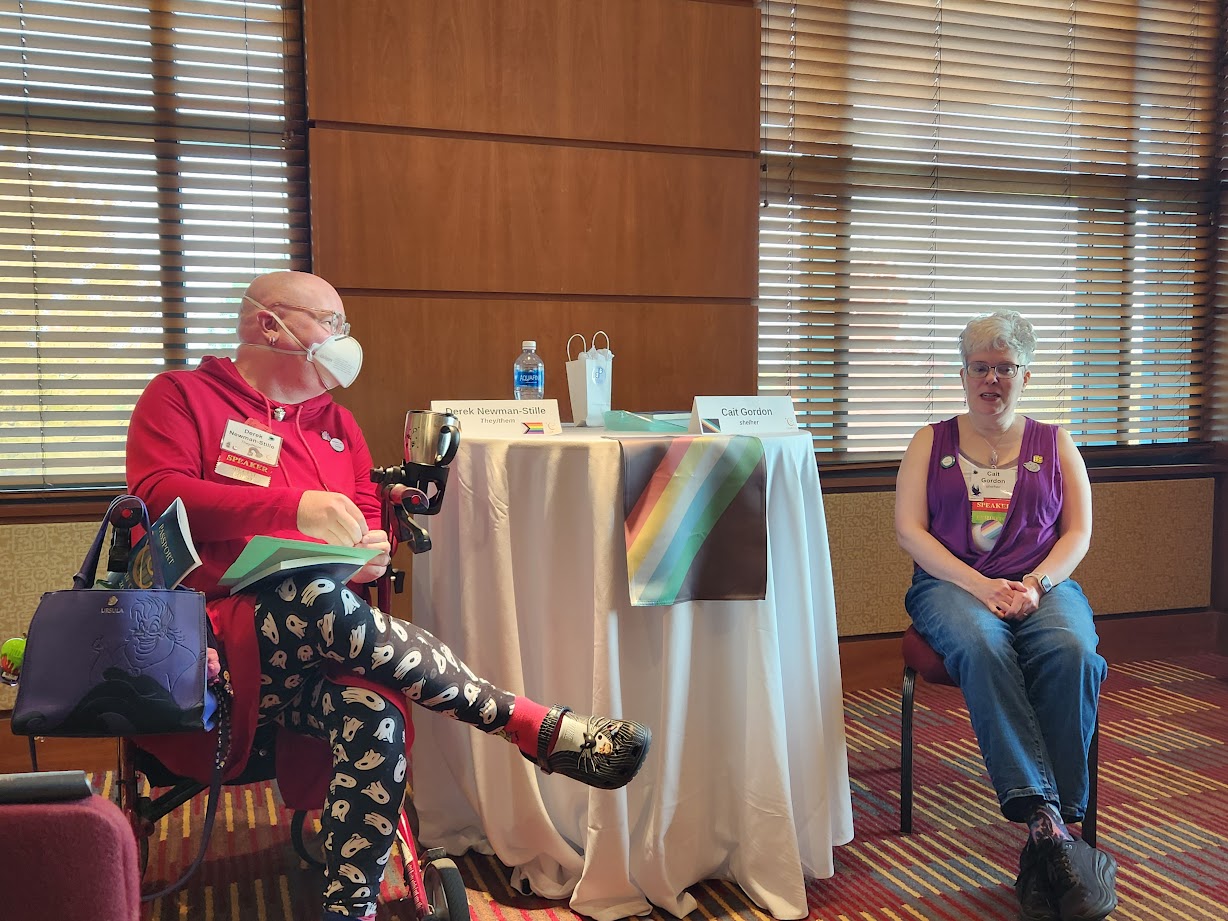
On Sunday, I treated myself to another morning swim before breakfast. I attended even more panels, and the launch of Cait Gordon’s Speculative Shorts: Stories That Fell Out of My Brain.

My second panel, “The Taste of Sadness: Writing Emotional Dysregulation” was in the last time slot of the convention and was another great experience. I may have babbled a bit, but everyone else on the panel stepped in and we all made each other look good. Gratitude to moderator Gregory A. Wilson and panelists Deanna Valdez and Sienna Tristen for making my second panel a memorable one.

Highlights from Sunday:

After, I walked the convention space as the panelists and exhibitors packed up and departed.

Then, in a different mood from the night before, I opted for a burger and fries with a caramel apple crisp for dessert at Perspectives. The apple crisp is to die for, folks.

I opted to stay over Sunday night and drive back in the morning after one final swim and a full breakfast.

I’ve attended several Can-Cons over the years, but this was my first as a panellist. It was a fabulous experience and, as I said off the top, I’ve already registered for next year. I hope to get on another panel (or two) and maybe organize an SF Canada meet and greet/networking event/membership drive.

We’ll see what happens.

As ever, I’ll let you know how it all works out.

Tipsday: Informal writerly learnings, Feb 12-18, 2023

Welcome to tipsday, where you can get the best of the week’s informal writerly learnings. Enjoy!

Ann Marie Nieves: so you’re interested in hiring a publicist. Jim Dempsey says, write for that someone special. Then, Barbara Linn Probst wonders what actually makes you a better writer? Writer unboxed

K.M. Weiland offers some tips on writing romance. Helping Writers Become Authors

C.S. Lakin explains what story hooks are all about. Live, Write, Thrive

Stories about stories about stories. Tale Foundry

Elizabeth Spann Craig reviews Amazon’s author page updates.

Roz Morris wonders, will AI writing threaten authors’ livelihoods? Nail Your Novel

Jane says negotiation is the one business skill she could grant all writers. Jane Friedman

Suzy Vadori helps you slay your bloated word count. Writers Helping Writers

Nathan Bransford says don’t dribble out morsels of information within a scene.

How to write dialogue. Reedsy

AK Nevermore defines science fiction and fantasy. Then, Lori Walker interviews Courtney Maum about genre-hopping, process, and time management as a working writer. Karmen Špiljak shares the secret ingredient. Next, Sebastián Calderón offers five techniques to connect with your novel. DIY MFA

Janice Hardy shares three ways “show, don’t’ tell” can strengthen your writing. Then, Lynette M. Burrows helps you create characters your readers love and hate. Eldred Bird lists five ways helping other writers helps you. Writers in the Storm

Jenna Harte explains how to find your readers. Fiction University

Tiffany Yates Martin: when will you be a success? Fox Print Editorial

Chris Winkle helps you judge what information your story needs. Then, Oren Ashkenazi analyzes five stories with disappointing prophecies. Mythcreants

Chuck Wendig considers AI and the fetishization of ideas. Terribleminds

Connor Garel explains why M. NorbeSe Philip declared war on her own book. The Walrus

Amna Khalid: the futility of trigger warnings. Persuasion

Thank you for visiting, and I hope you found something to support your current work(s) in progress.

Until Thursday, keep staying safe and well!

Tipsday: Informal writerly learnings, Feb 5-11, 2023

Hope everyone had a fabulous Valentine’s Day. It’s time to nourish your creative self with some informal writerly learnings. Enjoy!

Janice Hardy shows you how to fix pacing problems: move along. Fiction University

Greer Macallister says your book is always new. Then, David Corbett interviews Damyanti Biswas about transitioning from literary to genre fiction. Kathleen McCleary notes the things that define us. Next, Kathryn Craft shares four ways to organize your third person POVs. Tracy Hahn-Burkett explains how to come back to your writing practice after you’ve been called away. Later in the week, Erma Clare says, friend or foe, ChatGPT has pushed language AI into the spotlight. Writer Unboxed

Six signs your book is ready to query. Reedsy

Diana Stout talks critiques—how to get them and how to receive them. Then, Sandy Vaile wonders, are you writing a shiny idea or a robust story? Stefan Emunds talks about the importance of desires, goals, motivation, and needs in storytelling. Writers in the Storm

K.M. Weiland offers some genre tips on how to write fantasy. Helping Writers Become Authors

Is Yuki-Ona the most terrifying snow monster? Monstrum | PBS Storied

C.S. Lakin helps you understand the intersection of premise and protagonist. Live, Write, Thrive

L. Diane Wolfe is rapid releasing a series. Elizabeth Spann Craig

Nathan Bransford says, if you think writing is easy, you’re probably not very good at it.

How to create subtext. Shaelin Writes

Casey Cooper answers the question, why do speculative things matter? Then, Adam Burgess considers the triumph of Two Boys Kissing. Lori Walker interviews Jenna Miller about her debut author’s journey. Next, JD wonders, why write a palate cleanser? DIY MFA

Tiffany Yates Martin answers the question, should I include a prologue in a query? And other prologue FAQs. Fox Print Editorial

The craft of writing effectively. Though in the academic context and eight years old, it’s applicable to all kinds of writing. University of Chicago Social Sciences

Becca Puglisi considers the moral villain. Writers Helping Writers

Chris Winkle says that managing exposition starts with simplifying the story. Then, Oren Ashkenazi explains why Sauron works and Arawn doesn’t. Mythcreants

Kristen Lamb: ‘twas the night before Valentine’s.

Thank you for spending some time with me. I hope you found something to support your current work(s) in progress.

Until Thursday, keep staying safe and well, my writerly friends.

Tipsday: Writerly Goodness found on the interwebz, July 4-10, 2021

Another week, another batch of informal writerly learnings. Enjoy!

Lauren J. Sharkey shares some advice about investments and returns. Then, Adam Burgess wonders if there’s a genre best suited to LGBTQ+ stories (and why it’s historical fiction). Gabriela Pereira interviews Emily R. King about fantasy inspired by Greek mythology. Later in the week, Aaron Poochigian shares a day in the life of a full-time poet. Then, Indiana Lee suggests five alternative tips to boost creativity for writers. DIY MFA

Jill Bearup tested corsets vs. knives (for science!)

Sophie Masson considers physical journeys in fiction. Then, Sarah Penner shares a pre-launch playbook for debut authors. Donald Maass wants you to think about pacing: faster than the speed of thought. Kathryn Craft presents the three Ws of scene orientation. Later in the week, David Corbett provides some advice on writing our country. Writer Unboxed

Kadija Mbowe analyzes Cuties.

K.M. Weiland explains how to use archetypal character arcs in your stories in part 22 of her archetypal character arcs series. Helping Writers Become Authors

Shaelin explains how to write historical fiction. Reedsy

And she follows it up with historical fiction tropes. Reedsy

Karen DeBonis wants you to find your writing rhythm. Then, Janice Hardy lists five steps to creating a unique character voice. Later in the week, Jenny Hansen (inspired by DeBonis) offers confessions of a devoted scene writer. Writers in the Storm

Why film and TV erased asexuality. The Take

Laurence MacNaughton explains how to stay motivated and keep writing. Fiction University

Becca Puglisi helps you change your reader’s perspective. Writers Helping Writers

Rachel Michelberg says, post-book launch depression is a thing. Jane Friedman

How film and Tv misrepresent neurodiversity. The Take

Kristen Lamb: the difference between magnificent and maddening is the burning desire.

Kristine Kathryn Rusch offers part eight of her fear-based decision-making series: fear and the future.

Nathan Bransford: don’t step on your surprises.

Chris Winkle shares five simple ways to make your prose easier to read. Then, Oren Ashkenazi lists six signs of a weak throughline. Mythcreants

Monique Gray Smith curated this list of 45 books that share stories and truths by Indigenous authors who identify as women and/or two spirit. CBC Books

Jane an Koeverden: Cherie Dimaline publishing sequel to The Marrow Thieves in fall 2021. CBC Books

Estefania Velez compiles this list of 15 books to celebrate disability pride. The New York Public Library

Guy Kawasaki interviews Haben Girma, lawyer, activist, and advocate for equal opportunities for people with disabilities. The Remarkable People podcast

Ellen Gutoskey lists the fascinating etymologies of 70 common words. Mental Floss

Thank you for taking the time to stop by. I hope you took away something to support your current work in progress.

Until Thursday, be well and stay safe!

Join me at DIY MFA for my latest Speculations

This edition of Speculations came out on June 29th. I did not have the spoons at the time to post it in a timely manner.

Still, better late than never 🙂

This time around, Speculations focuses on the works of a handful of AAPI authors of science fiction and fantasy.

While you’re there, please check out the other great columnists and Gabriela’s fabulous resources.

Until tipsday, be well and stay safe!

Tipsday: Writerly Goodness found on the interwebz, June 27-July 3, 2021

Welcome to another week of informal writerly learnings 🙂 Enjoy!

Erika Liodice explains how to create an authentic setting from a place you’ve never been. Matthew Norman advises, when in doubt, look about. Then, Deanna Cabinian offers some tips from a pregnant lady on deflecting unsolicited writing advice. Nancy Johnson shares three tips for mastering conflict in your novel. Later in the week, Julie Carrick Dalton is crafting climate futures we can survive. Writer Unboxed

Princess Weekes looks at WandaVision and the feminine madness. Melina Pendulum

K.M. Weiland completes her review of the flat archetypal arc with the mentor in part 21 of her archetypal character arcs series. Helping Writers Become Authors

Colleen M. Story lists three reasons writing is a healthy form of escape. Elizabeth Spann Craig

Writing compelling character relationships. Shaelin Writes

James Scott Bell says, act like a professional. Colleen M. Story explains how to tell the difference between procrastination and a true writing crisis. Writers Helping Writers

Princess Weekes loves Octavia E. Butler, the grand dame of science fiction. It’s Lit | PBS Storied

Tasha Seegmiller is exploring a character’s past wound. Then, Julie Glover shares five more quick dialog tips. Writers in the Storm

Emily Zarka looks at the macabre origins of the grim reaper. Monstrum | PBS Storied

My latest speculations: ten AAPI science fiction and fantasy authors to read right now. Later in the week, Lauren Eckhardt shared five ways to catch your golden butterfly. DIY MFA

Why slow adulting is a good thing. The Take

Kristine Kathryn Rusch presents part seven of her fear-based decision-making series: fear and all writers.

Rachelle Shaw lists ten alternative types of short fiction. Fiction University

Jane Friedman breaks down where her money comes from.

The dangerous woman. How we package female sexuality. The Take

Chris Winkle points out what you need to know when planning character arcs. Then, Oren Ashkenazi analyzes six twists that hurt the story. Mythcreants

Nate Berg: stunning new museum brings Hans Christian Andersen’s stories to life. Fast Company

Hank you for taking the time to stop by, and I hope you found something to support your current work in progress.

Until Thursday, be well and stay safe!

Tipsday: Writerly Goodness found on the interwebz, April 18-24, 2021

Your weekly batch of informal writerly learnings has arrived. Get them while they’re hot!

Jan O’Hara shares a display hack for your story’s outline. Dave King: the non-writing part of writing. Then, Barbara Linn Probst wonders, why was my protagonist so prickly? Juliana Baggott explains when to reject rejection. Yuvi Zalkow wants you to make something terrible (and make it again). Writer Unboxed

Janice Hardy says infighting is a lousy way to create conflict in your novel. Then, Bonnie Randall deconstructs Deadly Illusions to explain what not to do with your manuscript. Fiction University

K.M. Weiland explores the queen’s shadow archetypes in part 11 of her archetypal character arcs series. Helping Writers Become Authors

Shaelin Bishop shares her top 12 writing tips. Shaelin Writes

Becca Puglisi shares tips for landing a guest posting gig. Then Barbara Linn Probst shares ten different writing tricks to make your point. Later in the week, Laurie Schnebly Campbell explains when, why and how to show emotion. Writers in the Storm

Jane Friedman explains how the pandemic is affecting book publishing. Jane Friedman

Princess Weekes wonders, what’s in a (pen) name? It’s Lit | PBS Storied

Adam W. Burgess touts the magic of queer fiction. Gabriela Pereira interviews C.L. Clark about character, conflict, and world building in fantasy. Janelle Hardy wants you to shift creative resistance using your body. Then, LA Bougeois shares five creativity exercises to fire up your writing muse. DIY MFA

Lisa Hall-Wilson offers four tips for writing your characters PTSD and trauma memories. Writers Helping Writers

The actress trope. The Take

Chris Winkle offers five tips for using an arbitrary magic system. Then, Oren Ashkenazi analyzes five novels with bizarre tangents. Mythcreants

Zoraida Córdova explains what it’s like writing Gamora in ‘Women of Marvel’ #1. Marvel

Camonghne Felix interviews Barry Jenkins about bringing The Underground Railroad to TV. Vanity Fair

Thank you for taking the time to visit, and I hope you found something to support your current work in progress.

Until Thursday, be well and stay safe, my writerly friends.

Tipsday: Writerly Goodness found on the interwebz, Dec 13-19, 2020

Ah! The penultimate tipsday of the year! Time to get your informal writerly learnings 🙂

John J. Kelley helps you stage the scene. Yuvi Zalkow is embracing the I-don’t-know-ness. Porter Anderson hopes you work wonders in 2021. Writer Unboxed

Janice Hardy shares three steps to crafting a stronger first draft. Fiction University

Jenna Moreci shares her top ten tips for writing fantasy.

Lori Freeland lists five things every writer needs to thrive. Then, Barbara Linn Probst considers scene coherence from the reader’s perspective. Writers in the Storm

My name is Inigo Montoya: Princess Bride fight analysis. Jill Bearup

Lucy V. Hay shares ten steps to revise your NaNo novel. Writers Helping Writers

Nathan Bransford explains what to expect when you work with a freelance editor.

The strong female character trope, explained. The Take

Abigail K. Perry demonstrates the importance of internal and external value shifts in characters. Later in the week, Amy Ayers offers five ways to talk about writing with nonwriters. DIY MFA

The funny fat girl trope, explained. The Take

Ken Brosky explains how to effectively manage multiple narrators in your novel. Then, Louise Tondeur asks, is your writer’s block really writer’s indecision? Jane Friedman

Chris Winkle does a narration makeover to create tension. Oren Ashkenazi: what The Black Company teaches us about dark stories. Mythcreants

Emily Zarka considers the Nuckelavee, Scotland’s skinless, evil monstrosity. Monstrum |PBS Storied

Mildred Europa Taylor: Cynthia Erivo to star in and produce film about enslaved Yoruba girl who became a gift to the queen of England. Face 2 Face Africa

Stephanie Cram: Darcie Little Badger’s YA debut Elatsoe landed on Time’s list of the best fantasy novels of all time. CBC’s “Unreserved”

A Poem for All The ‘Old Hags’ // Sarah MacGillivray

Tom Grater reports that Charlie Mackesy, author of The Boy, the Mole, the Fox, and the Horse, teams up with Bad Robot to produce animated short. Deadline

Thanks for dropping by, and I hope you found something to support your current work in progress.

Until Thursday, be well and stay safe, my writerly friends!

Tipsday: Writerly Goodness found on the interwebz, Oct 11-17, 2020

Another week, another collection of informal writerly goodness.

Black and Indigenous lives matter. All lives cannot matter until Black and Indigenous lives matter.

Wear your masks. Maintain physical distance when you can’t. Wash your hands. Get your flu shot as soon as you can.

K. Tempest Bradford: World Fantasy, the convention that keeps on failing. The lack of diversity on panels and lack of a properly enforced anti-harassment policy have been ongoing for the better part of a decade and organizers are reluctant to admit there are problems, let alone take action on them.

Princess Weekes breaks down true womanhood and black girlhood in media. Melina Pendulum

Jeanette the Writer: yes, there are different types of English. Later in the week, Jeremy Hance explains how he decided to write a memoir about his hilarious mental illness. Then, Ambre Leffler offers five ways to be kind to your eyes. DIY MFA

K.M. Weiland explores the link between the first and second pinch points. Helping Writers Become Authors

Shaelin shares five fantasy tropes to avoid, be careful with, or embrace. Reedsy

Lori Freeland details the five key elements to layering your scene. Later in the week, Jenny Hansen lists the five fears that spook most writers. Writers in the Storm

Janice Hardy explains the difference between a first page that hooks and a novel that hooks. Fiction University

Jim Dempsey wants you to ground your characters with all five senses. Then, Barbara Linn Probst wonders, what is your story about, anyway? Word, phrase, sentence, equation. Later in the week, Anne Greenwood Brown explains how to communicate without words. Writer Unboxed

Alli Sinclair is asking the right questions with character interviews. Writers Helping Writers

Nancy Stohlman extols the benefits of writing flash fiction. Jane Friedman

Chris Winkle shares lessons from the exposition of Crescent City. Then, Oren Ashkenazi lists six signs your story is about the wrong character. Mythcreants

The setting of a story: what is it and how to write it. Reedsy

Thanks for stopping by. I hope you found something to support your current work in progress.

Until Thursday, be well and stay safe, my writerly friends!

The next chapter: September 2020 update

I blink, and it’s October.

Black and Indigenous lives matter

The good fight goes on despite losses. There was no justice for Breonna Taylor. Joyce Echaquan died after enduring racist abuse from the people who were supposed to be helping her. Two of the staff were fired, but it looks like there won’t be justice for Joyce Echaquan either.

On the positive side, Annamie Paul is the first Black leader of a Canadian political party. I’m watching with interest.

We have to keep educating ourselves (those of us who benefit from white privilege), listening, reading, promoting Black and Indigenous artists and entrepreneurs, and bringing issues affecting Black and Indigenous people to the fore. We need to do better.

Pandemic life

Ten months into this hellacious year and seven months into the pandemic. We’re firmly into the second wave in many areas of the province and country. Pre-reopening restrictions have been institutes again. We all have to do our part to protect each other.

Wear your masks, maintain physical distance, wash your hands, don’t go out unless you need to, and get your flu shots as soon as they’re available.

I’m just boggled that Trump decided to break quarantine to give his supporters a “gift.” What gift is that? The rona? I shake my head and wait to see what happens next.

Work wise, while front line workers have returned to the office (with appropriate protections), the rest of us are teleworking for the foreseeable. So, nothing new there. I’ve adapted to my new work laptop and the shelf Phil made for me to elevate my monitors over my laptop also provides additional storage space.

With respect to the assessment process I was involved in for the new job at work … the manager wanted to proceed with next steps in the informal process. If I was interested. To which I responded with a resounding “YES!” The potential start date has been pushed to November to accommodate any approvals that might need to be obtained. And then I was called for the interview in the formal process. Still nervous about it, but they did proceed to contact my references from there.

And now … we wait. Again. Did I mention these things tend to take a fair amount of time?

The month in writing

Please excuse the block caps, but I think some shouting is in order. THE NEVERENDING DRAFT FINALLY ENDED! Yes, I finished this iteration of Reality Bomb. It was basically 120k and I have to cut around 30k, but I’m optimistic. I’m currently mapping in anticipation of revising later this month.

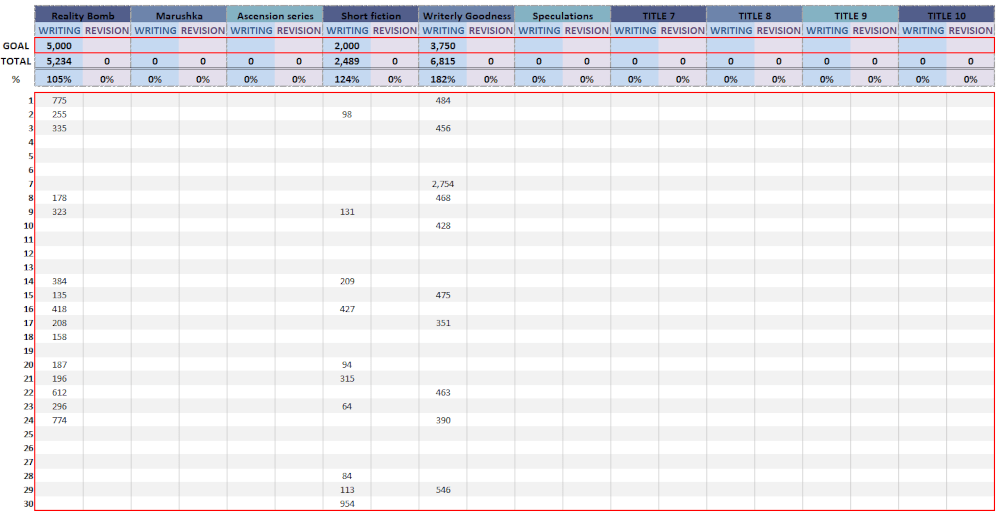
So, 5,234 words, or 105% of my 5k-word goal.

I finished the short story I started last month and promptly submitted it. It was rejected and so will be added to my pile of revise and resubmit stories, but I feel that it was an accomplishment, nonetheless. Then, I started on another story, not expecting to finish it, let alone submit it, but I did both! I probably won’t hear from that submission process for a while yet. I’m just happy to have done it.

I also submitted a previously published story for consideration in a Canadian reprint special issue of a popular SFF magazine. I’ll definitely let you know if anything comes of that 🙂

2,489 word of short fiction in the month, or 124% of my 2k-word goal.

I blogged 6,815 words of my 3,750-word goal, or a whopping 182%. Whop.

Overall, I wrote 14,538 words. I’d aimed for 10,750 and surpassed my goals on all counts. 135% of my monthly writing goal ain’t bad.

In the poetry arena, “Fire and Ice,” one of the five poems accepted for publication in Polar Borealis was also selected for Stellar Evolutions, an anthology featuring the best of the first 15 issues of PB. The pieces for the anthology were selected by Rhea E. Rose of RainWood Press. Pre-orders start October 15th, and the anthology is officially out on October 31st—my birthday!

Isn’t the cover beautiful?

It’s nice to get some external validation again.

Filling the well

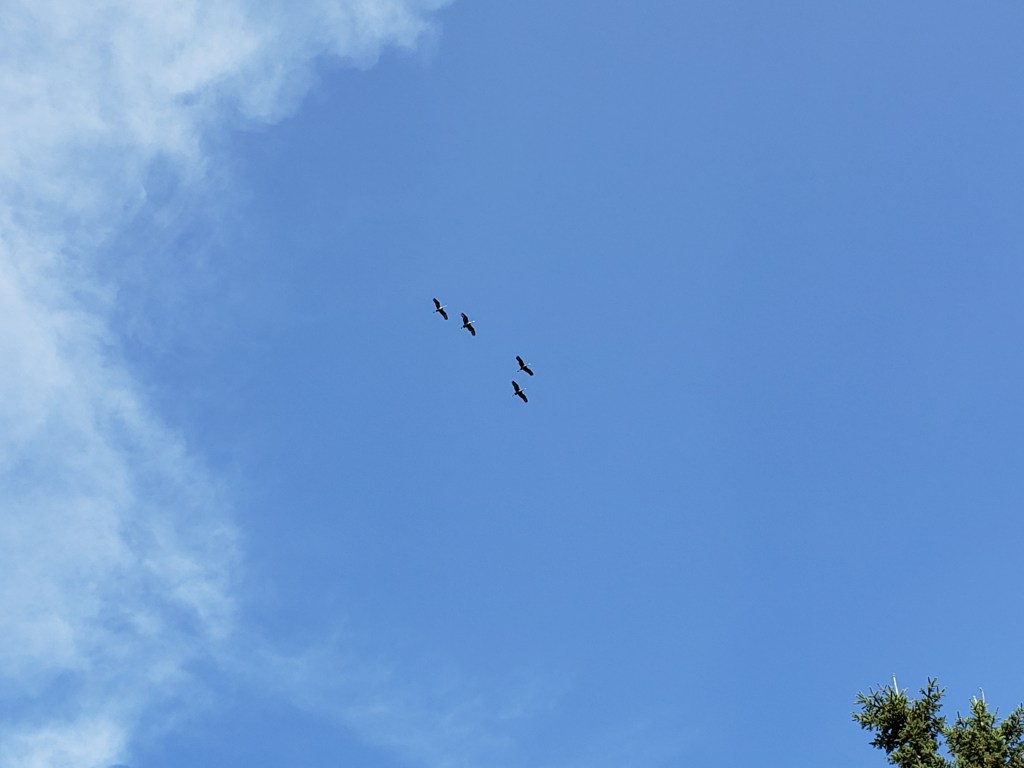
Over Labour Day long weekend, our small family gathered at my sister-in-law’s for what’s probably our last outdoor family gathering of the year (it’s too cold for the moms, now). Chicken wings on the barbeque and fresh-cut fries. The sandhill cranes (AKA dinos) were EVERYWHERE.

Later in the month, I went out with Torvi a couple of times for walks in the fields.

In September, I attended Jane Friedman’s workshop on Researching Agents and Publishers like a Pro, a Word on the Street event with Michael Christie (Greenwood), Kerri Sakamoto (Floating City), and Doreen Vanderstoop (Watershed), the Writing Excuses Retreat fall reunion, How to Astronaut with Mary Robinette Kowal and Terry Virts, a NaNoWriMo session on How to Unlock the Key to Your Novel (adaptation to screen) with Jenny Han (To All the Boys I’ve Loved Before), Angie Thomas (The Hate U Give), Nancy Springer (Enola Holmes), and Roshani Chokshi (Aru Shah), a world building tutorial with Mary Robinette Kowal, and a presentation on The Inner Workings of Spacesuit Design with Adam Savage, Cady Coleman, and (again) Mary Robinette Kowal.

Whew! That was a lot of virtual events.

I also attended several meetings for the Canadian Authors Association and the AGM for CIRA as well as several learning events at work (virtual facilitation, Orange Shirt Day, anti-racism, and mental health). What can I say? I’m a learning mutt.

What I’m watching and reading

Because many series stopped filming and/or production because of covid-19, there hasn’t been a lot on cable these days. Don’t get me wrong, I’m kind of grateful. I get more writing done of an evening if I don’t have regular series to watch. I’m actually catching up on my streaming viewing, but I haven’t finished any more series/seasons that way, either.

I watched the first six episodes of Wynona Earp. It’s the usual wacky shenanigans, but we didn’t get much of anywhere before covid intervened. Apparently, the rest of the season should start coming out in January. I’ll reserve full judgement until then.

Phil and I endured Cursed. It’s okay to envision a new interpretation of traditional myths and legends, but you have to have some kind of cohesive story going in. This was just stuff happening, just to have stuff happen. Pirates and Vikings and fairies, oh my? In what timescape do these all coexist with Arthurian legend (the fairies, okay, but the rest)? It’s fiction. I get it. But it all felt contrived, like, oh yeah, now we have the Inquisition (nobody expects the Spanish Inquisition)!

By all means, let Nimue be the one true queen, but she should act like one (some of the time, please?). She can have (indeed should have) conflicting goals and desires, but she’s running away with Arthur one minute and then making deals with Uther to save her people the next? Everyone was changing allegiances, left, right, and centre, again, apparently for no reason.

In short, nothing came together for us. We’ve watched and enjoyed shows that have done truly bizarre things with Arthurian legend, but they worked because there was a cohesive story to wrap all the crazy in. Someone let their idea monkey out of its cage and the poor dear just started flinging poop everywhere.

The rest of my viewing was long form, that is movies.

I watched Birds of Prey (and the fantabulous emancipation of one Harley Quinn) and it was fabulous. I think it’s the best DCEU film I’ve seen yet. It was all style and fun and it had a legit story. Margot Robbie was *chef’s kiss.* Nice to see strong women coming together to kick some ass and save each other.

Then, I saw Knives Out. Hilarious and clever, though I did wonder how Benoit Blanc, master detective, missed the distinct scent of vomit when he got into the car. You know the scene I’m talking about. This movie isn’t a whodunnit, but a who-woulda-dunnit-if-the-intended-victim-hadn’t-dunnit-first … and committed murder, extortion, and arson to cover their tracks. It’s about true friendship and kindness and a suspect who vomits every time she lies. A feelgood movie. Yeah, that’s what I’m going with.

Finally, Phil and I watched Enola Holmes. Another feelgood movie. It’s a plot wrapped in a mystery. Millie Bobbie Brown was perfect and got to use her own accent (sort of). Henry Cavill and Helena Bonham Carter were lovely. There were a few key differences from the book as I understand it, but I think I’m going to pick it up. I’ve always enjoyed Nancy Springer’s novels 🙂

In terms of reading, I have four offerings, two short story collections and two novels.

The first collection was Lynn Coady’s Hell Going. This collection won the Giller in 2013. I enjoyed the stories, but they all seemed to revolve around absences, and how people only end up hurting themselves by not communicating.

Daniel José Older’s Salsa Nocturna is a collection of stories featuring the characters from the first two novels in his Bone Street Rumba series. Humans who can see the dead, half-dead ghost hunters, witches who trap the souls of their victims in dolls, mammoth ghosts (not big ghosts, but the ghosts of woolly mammoths), and regular folks who get caught up in the world of the NY Council of the Dead.

Then, I read Justina Ireland’s Deathless Divide, the sequel to Dread Nation. As dark as the first novel was, DD is darker. You have to read them both to get the full effect, and I’m not going to spoil it.  The metaphoric nature of the story is killer (pun intended).

Finally, I read Barney’s Version by Mordecai Richler. Well, I listened to it. Audible offered Giller prize winning novels for free back in the spring and I got a bunch. I didn’t expect to like this novel, but I did. The twist in the final pages is perfect. The narrator … I’m not as impressed with. He persisted in pronouncing yarmulke (yah-muhl-kah) as yarmuckel—that’s not even how it’s written—gah! I would think a professional voice actor would care enough to look up these things before he began narration … but I’ll leave it there.

Barney is the ultimate unreliable narrator. He’s starting to forget things and eventually dies from complications related to Alzheimer’s. So, basically, the reader can’t trust a word he’s written. He’s writing his memoir, such as it is, in response to former friend turned rival, Terry MacIvor’s fictional expose.

The problem is that Barney readily admits his faults and he does terrible things, but he’s adamant on one point: he did not kill his best friend as everyone thinks he did.

And that was the month in this writer’s life.

Until next time, be well and stay safe, be kind, and stay strong. The world needs your stories.