Tipsday: Informal writerly learnings, April 2-8, 2023

Welcome to the last tipsday for the foreseeable. As I mentioned in my most recent next chapter weekly, I’m cutting back on social media to devote more time to writing and revision.
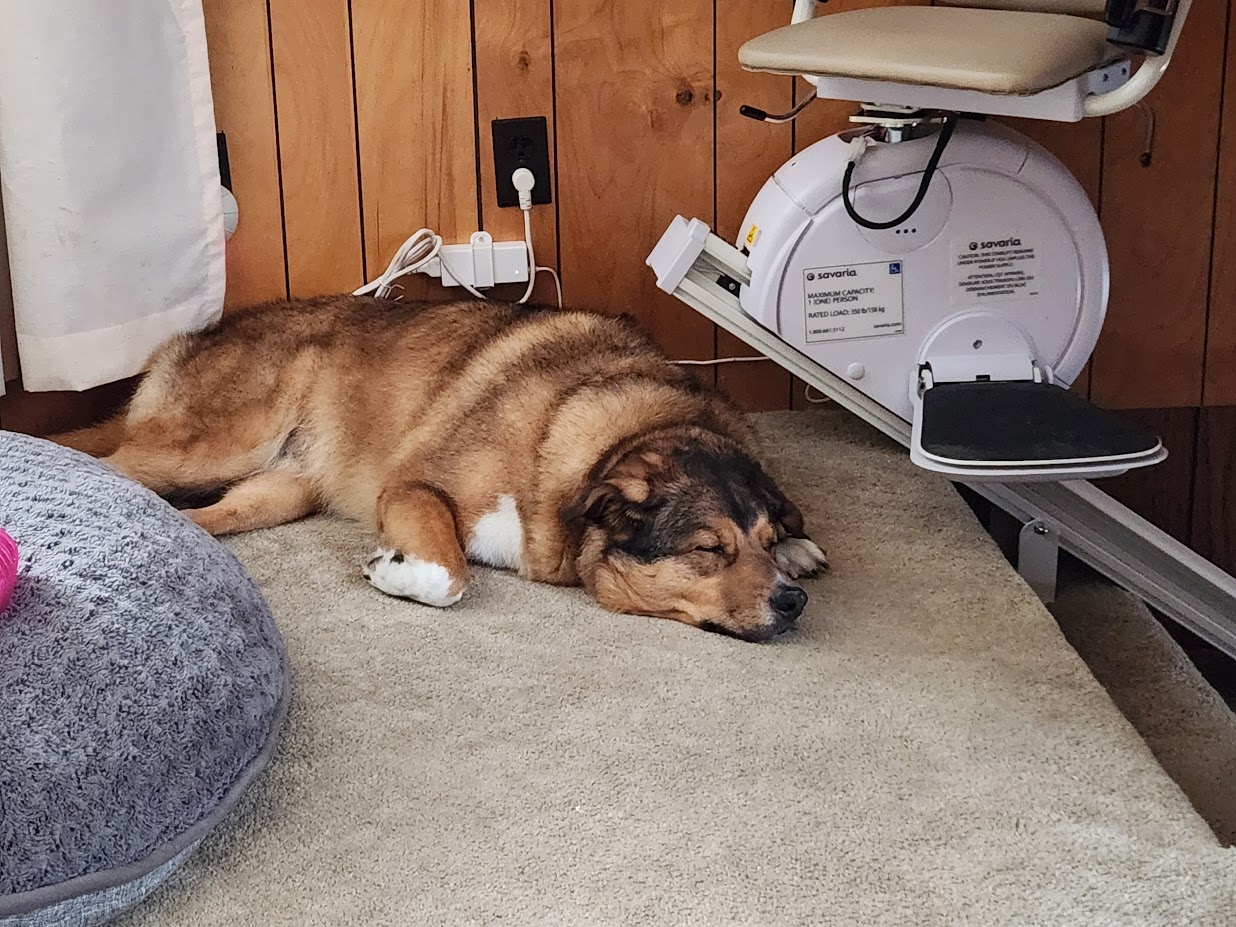
It’s been a while since Torvi made an appearance 🙂

Julianna Baggott: yes, I know how hard it is. Donald Maass explains where connection comes from. Then, Elizabeth Huergo muses on frigates and ChatGPT. Writer Unboxed

Margie Lawson is writing fresh: laughs, giggles, and snorts that carry power. Then, Hannah Jacobson explains what you can do with book awards and reviews. Stefan Emunds says characterization is one of the most vital writing skills. Writers in the Storm

What makes a movie “feminist”? Princess Weekes

Elizabeth Spann Craig is writing longhand.

Becca Puglisi says, if you need organizational help, try Trello. Then, Colleen M. Story shares six ways to make your author blog more successful. Writers Helping Writers

Is cyberpunk actually punk? Tale Foundry

Amy L. Bernstein provides a framework for moving beyond your first draft. Then, Matt Holmes lists the four pillars of book marketing, or how to sell more books in less time. Amy Goldmacher explains how to differentiate between desire and desperation in pursuit of publication. Next, John Matthew Fox helps you find comp titles using ChatGPT. Jane Friedman

My revision process—first draft to ready for publication. Shaelin Writes

Ashley Christiano shares chakras for storytellers, part 2: putting concept into practice. Then, Manuela Williams considers four poetry book cover design trends. Stacy Frazer explains how to recover from creative burnout and enhance your energy. Next, Lori Walker interviews Danielle Mitchell about reading and writing poetry. Brenda Rech shares five things she learned by entering writing contests. DIY MFA

Seven exercises to improve dialogue. Reedsy

Janice Hardy lists three steps to crafting a story arc that sucks (your readers in). Fiction University

Tiffany Yates Martin discovers how Camille Pagán revises—by betting on herself. Fox Print Editorial

Chris Winkle offers six tips for writing your first novel—and series. Then, Oren Ashkenazi analyzes five stories that undermine their own stakes. Mythcreants

Thank you for visiting, and I hope you found something to support your current work(s) in progress. You can always peruse the archives.

Until Thursday, keep staying safe and well, my writerly friends.
Tipsday: Informal writerly learnings, Feb 19-25, 2023

We’re almost at the end of February. Prepare to welcome March with some informal writerly learnings!

Rachel Teferet offers a social media survival guide for writers. Then, JJ Graham helps you find a writing community as an introvert. Grace Bialecki: location, location, location. Next, Neil Chase lists his top five types of villains in literature. DIY MFA

Why apocalypse stories feel different now. Like Stories of Old

Porter Anderson’s hearing a lot of cyber rattling: when the bot chats. Then, Dave King writes the epilogue on prologues. Thomas Richards explains how to bring your characters to life by writing in three dimensions. Next, Heather Webb suggests some body and mind fitness for writers. Victoria Strauss points out some clauses to watch for: when your publishing contract raises a red flag. Writer Unboxed

Is R a vowel? Otherwords | PBS Storied

K.M. Weiland offers more genre writing tips: how to write historical fiction. Helping Writers Become Authors

Lisa Norman says creating a powerful author website will get the results you want. Then, Kris Maze poses this puzzle: retiring to write, or writing to retire (part 1). Ellen Buikema offers some more tips on writing science fiction (part 2). Writers in the Storm

The politics of loving the bad guy. Princess Weekes

Hank Quense explains book marketing in plain English. Elizabeth Spann Craig

Michelle Barker is getting back into the writing flow. Then, Marissa Graff lists four reasons your action-based scene is failing (and how to avoid it). Writers Helping Writers

Jane explains how authors can build relationships with independent bookstores. Jane Friedman

How to edit a novel. Reedsy

Jami Gold helps you figure out what point of view is best for you.

Tiffany Yates Martin wonders, are you “just”-ifying your writing? Fox Print Editorial

Dan Koboldt considers luck vs. talent vs. perseverance in publishing.

Chris Winkle helps you choose scenes to cover the right information. Then, Oren Ashkenazi analyzes Star Trek’s seven worst antagonistic species. Mythcreants

Lavelle Porter presents an ode to Samuel Delaney. JSTOR Daily

Thanks for stopping by, and I hope you found something to support your current work(s) in progress.

Until Thursday, keep staying safe and well, my writerly friends.

Tipsday: Informal writerly learnings, Feb 5-11, 2023

Hope everyone had a fabulous Valentine’s Day. It’s time to nourish your creative self with some informal writerly learnings. Enjoy!

Janice Hardy shows you how to fix pacing problems: move along. Fiction University

Greer Macallister says your book is always new. Then, David Corbett interviews Damyanti Biswas about transitioning from literary to genre fiction. Kathleen McCleary notes the things that define us. Next, Kathryn Craft shares four ways to organize your third person POVs. Tracy Hahn-Burkett explains how to come back to your writing practice after you’ve been called away. Later in the week, Erma Clare says, friend or foe, ChatGPT has pushed language AI into the spotlight. Writer Unboxed

Six signs your book is ready to query. Reedsy

Diana Stout talks critiques—how to get them and how to receive them. Then, Sandy Vaile wonders, are you writing a shiny idea or a robust story? Stefan Emunds talks about the importance of desires, goals, motivation, and needs in storytelling. Writers in the Storm

K.M. Weiland offers some genre tips on how to write fantasy. Helping Writers Become Authors

Is Yuki-Ona the most terrifying snow monster? Monstrum | PBS Storied

C.S. Lakin helps you understand the intersection of premise and protagonist. Live, Write, Thrive

L. Diane Wolfe is rapid releasing a series. Elizabeth Spann Craig

Nathan Bransford says, if you think writing is easy, you’re probably not very good at it.

How to create subtext. Shaelin Writes

Casey Cooper answers the question, why do speculative things matter? Then, Adam Burgess considers the triumph of Two Boys Kissing. Lori Walker interviews Jenna Miller about her debut author’s journey. Next, JD wonders, why write a palate cleanser? DIY MFA

Tiffany Yates Martin answers the question, should I include a prologue in a query? And other prologue FAQs. Fox Print Editorial

The craft of writing effectively. Though in the academic context and eight years old, it’s applicable to all kinds of writing. University of Chicago Social Sciences

Becca Puglisi considers the moral villain. Writers Helping Writers

Chris Winkle says that managing exposition starts with simplifying the story. Then, Oren Ashkenazi explains why Sauron works and Arawn doesn’t. Mythcreants

Kristen Lamb: ‘twas the night before Valentine’s.

Thank you for spending some time with me. I hope you found something to support your current work(s) in progress.

Until Thursday, keep staying safe and well, my writerly friends.