Tipsday: Informal writerly learnings, April 2-8, 2023

Welcome to the last tipsday for the foreseeable. As I mentioned in my most recent next chapter weekly, I’m cutting back on social media to devote more time to writing and revision.
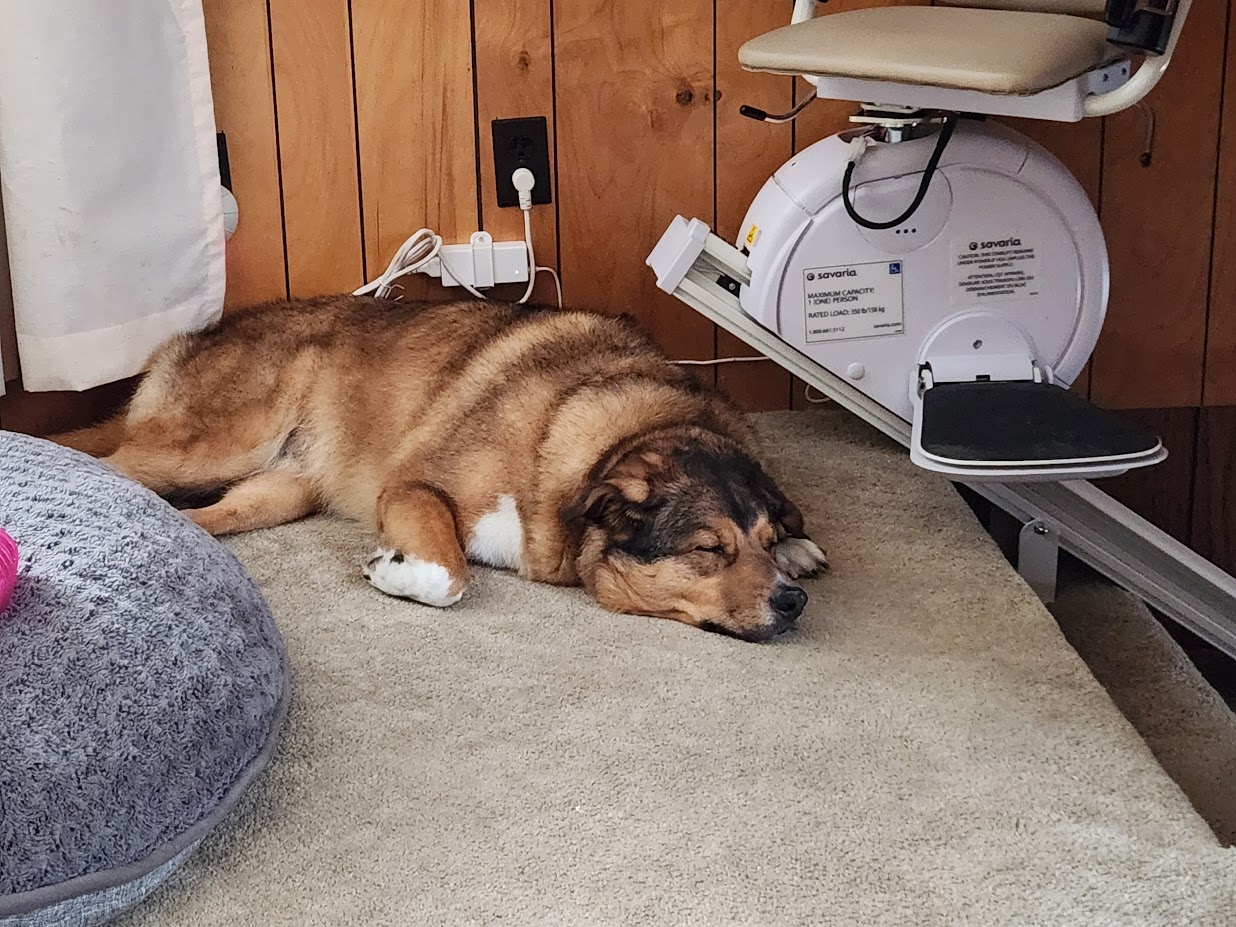
It’s been a while since Torvi made an appearance 🙂

Julianna Baggott: yes, I know how hard it is. Donald Maass explains where connection comes from. Then, Elizabeth Huergo muses on frigates and ChatGPT. Writer Unboxed

Margie Lawson is writing fresh: laughs, giggles, and snorts that carry power. Then, Hannah Jacobson explains what you can do with book awards and reviews. Stefan Emunds says characterization is one of the most vital writing skills. Writers in the Storm

What makes a movie “feminist”? Princess Weekes

Elizabeth Spann Craig is writing longhand.

Becca Puglisi says, if you need organizational help, try Trello. Then, Colleen M. Story shares six ways to make your author blog more successful. Writers Helping Writers

Is cyberpunk actually punk? Tale Foundry

Amy L. Bernstein provides a framework for moving beyond your first draft. Then, Matt Holmes lists the four pillars of book marketing, or how to sell more books in less time. Amy Goldmacher explains how to differentiate between desire and desperation in pursuit of publication. Next, John Matthew Fox helps you find comp titles using ChatGPT. Jane Friedman

My revision process—first draft to ready for publication. Shaelin Writes

Ashley Christiano shares chakras for storytellers, part 2: putting concept into practice. Then, Manuela Williams considers four poetry book cover design trends. Stacy Frazer explains how to recover from creative burnout and enhance your energy. Next, Lori Walker interviews Danielle Mitchell about reading and writing poetry. Brenda Rech shares five things she learned by entering writing contests. DIY MFA

Seven exercises to improve dialogue. Reedsy

Janice Hardy lists three steps to crafting a story arc that sucks (your readers in). Fiction University

Tiffany Yates Martin discovers how Camille Pagán revises—by betting on herself. Fox Print Editorial

Chris Winkle offers six tips for writing your first novel—and series. Then, Oren Ashkenazi analyzes five stories that undermine their own stakes. Mythcreants

Thank you for visiting, and I hope you found something to support your current work(s) in progress. You can always peruse the archives.

Until Thursday, keep staying safe and well, my writerly friends.
Tipsday: Writerly Goodness found on the interwebz, May 23-29, 2021

Tipsday is here! Fortify yourself for the week with some informal writerly learnings 🙂

Laura Highcove wants you to use your writer’s intuition to solve a problem. Manuela Williams offers you a tool for your poet’s toolbox: line breaks. Later in the week, Ginnye Lynn Cubel helps you write a villain you love. Then, Disha Walia shares five tips to ace the art of retelling. DIY MFA

Janice Hardy helps you make sense of character wants and needs. Fiction University

Princess Weekes considers purity culture and fandom … issa mess. Melina Pendulum

K.M. Weiland looks more closely at the flat archetype of the child in part 16 of her archetypal character arc series. Helping Writers Become Authors

Can we be heroes again? Confronting the banality of modern evil. Like Stories of Old

Tiffany Yates Martin helps you bring your stories to life with nonverbals. Then, Lisa Hall-Wilson shares four ways movement affects deep POV. Writers in the Storm

Then, on Jane Friedman’s blog, Tiffany shows you how to deepen characterization by mining your own reactions. Joe Ponepinto says, don’t tease your reader. Get to the tension and keep it rising. Jane Friedman

Getting feedback from critique partners and beta readers. Reedsy

Gwen Hernandez helps you organize your research notes in Scrivener. Then, Diana Giovinazzo is learning to writer through grief. Heather Webb: being a good literary citizen. Liz Michalski says, right-brained revisers, unite! Writer Unboxed

Nathan Bransford says, don’t start a scene without these four essential elements.

How to write effective description and imagery. Shaelin Writes

Angela Ackerman wants to know if your character has a secret. Writers Helping Writers

Kristine Kathryn Rusch presents part three of her fear-based decision-making series: TV/film.

Chris Winkle lists five common reasons stories screech to a halt. Then, Oren Ashkenazi analyzes five stories that suffer from muddled atmosphere. Mythcreants

Spirited Away – Why work is toxic. The Take

James Whitlock: Netflix’s Sandman has cast Death and a whole lot more of the Dreaming. Gizmodo

Evan Narcisse interviews Ta-Nahesi Coates about saying goodbye to Black Panther. Polygon

William Deresiewicz shares a report: stages of grief (what the pandemic has done to the arts). Harper’s

Emily Wenstrom explains how non-fungible tokens (NFTs) can reward authors and readers. Book Riot

Erin McCarthy introduces us to 56 delightfully unusual words for everyday things. Mental Floss

Thanks for taking the time to visit, and I hope you found something to support your current work in progress.

Until Thursday, be well and stay safe!

Tipsday: Writerly Goodness found on the interwebz, May 9-15, 2021

Welcome to another tipsday, your opportunity to fill up on informal writerly learnings 🙂

KL Burd helps you incorporate social issues into your manuscript. Therese Walsh: spring thaws and the buzz of the muse. Then, Juliet Marillier wants you to consider your author photo. Kathryn Craft wants you to embrace unapologetic characterization. Later in the week, David Corbett recounts his experience murdering 22,000 darlings. Writer Unboxed

Shaelin guides you through the process of content and developmental editing. Reedsy

K.M. Weiland covers the mage’s shadow archetypes in part 14 of her archetypal character arcs series. Helping Writers Become Authors

Star Wuerdemann explains how to find compelling comps for your book. Jane Friedman

Joanna Penn interviews Gail Carriger about The Heroine’s Journey. The Creative Penn

Princess Weekes looks at the literary power of manga. It’s Lit | PBS Storied

Laurence MacNaughton shares three shortcuts to character-driven stories. Then, Savannah Cordova helps you figure out which story structure is right for your novel. Fiction University

Stephanie BwaBwa explains how to use bookstagram to increase your novel’s visibility. Then, Olivia Fisher is all about short stories. Gabriela Pereira interviews Suyi Davies Okungbowa about layers of world building in epic fantasy. Later in the week, Melanie Gibson shares five tips for writing about your mental health journey. DIY MFA

How the self-aware teen movie almost killed the genre. The Take

Marissa Graff explains how to power up individual scenes with a scene tracker. Writers Helping Writers

Margie Lawson touts the power of quirky-smirky assonance and alluring alliteration. Then, Ellen Buikema explains the relationship between stress and creativity. Writers in the Storm

Kristine Kathryn Rusch starts a new series: fear-based decision-making (part one).

Chris Winkle lists five ways to incorporate dreams into your plot. Then, Oren Ashkenazi analyzes five fascinating monsters in speculative fiction. Mythcreants

Kristen Lamb follows the writer’s journey from total newbie to the joy of mastery.

Vicky Qaio reports that Robert J. Sawyer and Silvia Moreno-Garcia are among the finalists for the 2021 Aurora Awards. CBC

Sagal Mohammed interviews Barry Jenkins about avoiding the exploitation of Black trauma in The Underground Railroad. Buzzfeed

Thank you for taking the time to stop by, and I hope you took away something to support your current work in progress.

Until Thursday, be well and stay safe, my writerly friends!