Tipsday: Informal writerly learnings, April 2-8, 2023

Welcome to the last tipsday for the foreseeable. As I mentioned in my most recent next chapter weekly, I’m cutting back on social media to devote more time to writing and revision.
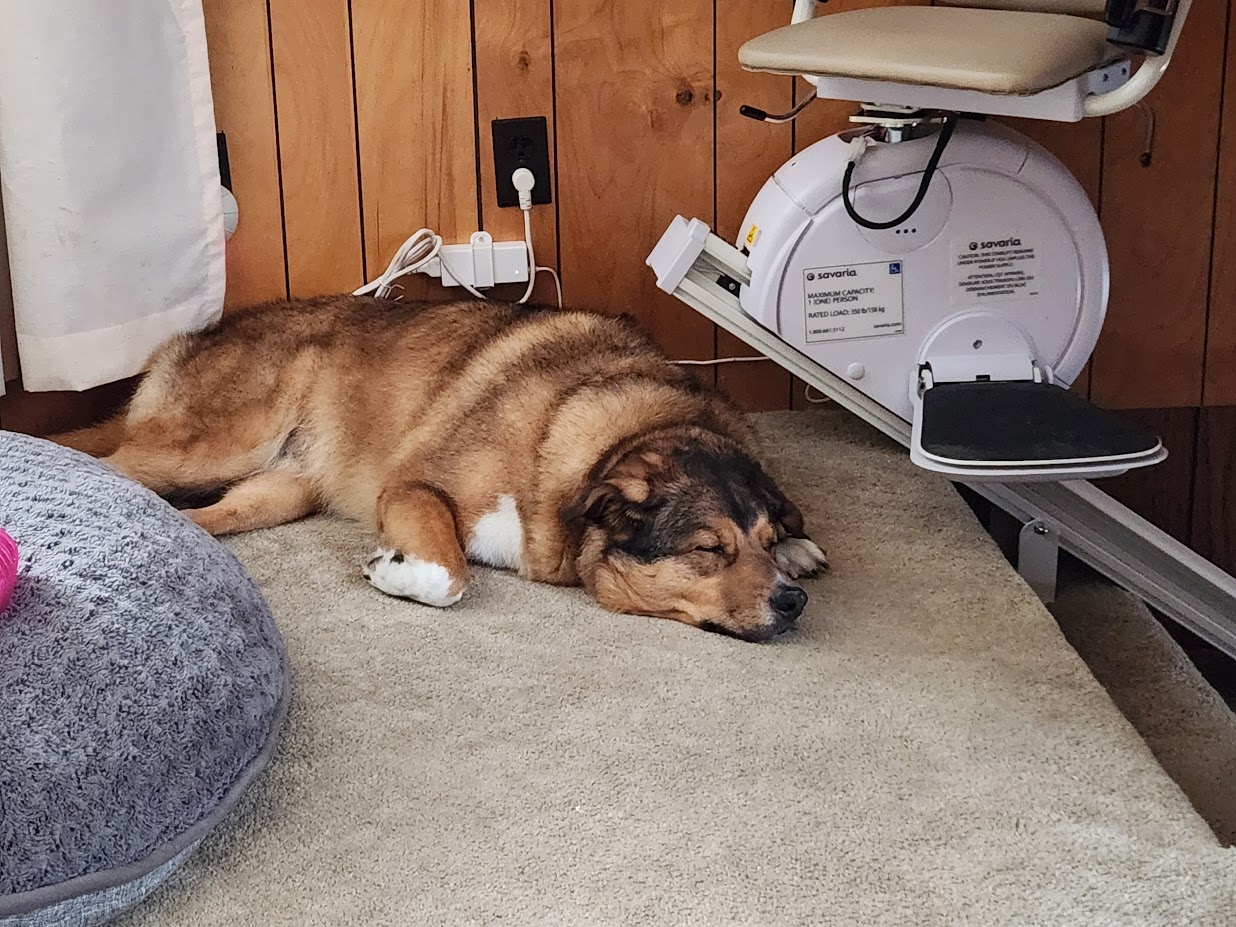
It’s been a while since Torvi made an appearance 🙂

Julianna Baggott: yes, I know how hard it is. Donald Maass explains where connection comes from. Then, Elizabeth Huergo muses on frigates and ChatGPT. Writer Unboxed

Margie Lawson is writing fresh: laughs, giggles, and snorts that carry power. Then, Hannah Jacobson explains what you can do with book awards and reviews. Stefan Emunds says characterization is one of the most vital writing skills. Writers in the Storm

What makes a movie “feminist”? Princess Weekes

Elizabeth Spann Craig is writing longhand.

Becca Puglisi says, if you need organizational help, try Trello. Then, Colleen M. Story shares six ways to make your author blog more successful. Writers Helping Writers

Is cyberpunk actually punk? Tale Foundry

Amy L. Bernstein provides a framework for moving beyond your first draft. Then, Matt Holmes lists the four pillars of book marketing, or how to sell more books in less time. Amy Goldmacher explains how to differentiate between desire and desperation in pursuit of publication. Next, John Matthew Fox helps you find comp titles using ChatGPT. Jane Friedman

My revision process—first draft to ready for publication. Shaelin Writes

Ashley Christiano shares chakras for storytellers, part 2: putting concept into practice. Then, Manuela Williams considers four poetry book cover design trends. Stacy Frazer explains how to recover from creative burnout and enhance your energy. Next, Lori Walker interviews Danielle Mitchell about reading and writing poetry. Brenda Rech shares five things she learned by entering writing contests. DIY MFA

Seven exercises to improve dialogue. Reedsy

Janice Hardy lists three steps to crafting a story arc that sucks (your readers in). Fiction University

Tiffany Yates Martin discovers how Camille Pagán revises—by betting on herself. Fox Print Editorial

Chris Winkle offers six tips for writing your first novel—and series. Then, Oren Ashkenazi analyzes five stories that undermine their own stakes. Mythcreants

Thank you for visiting, and I hope you found something to support your current work(s) in progress. You can always peruse the archives.

Until Thursday, keep staying safe and well, my writerly friends.
Tipsday: Informal writerly learnings, Oct 16-22, 2022

This is the final tipsday of October (!) Will you NaNoWriMo this year? I am. It will probably be another NaNo rebel combo, though I will be focusing on Alice in Thunderland. It might actually be a novella, though I’m not certain, yet.

In any case, it’s time to get your fill of informal writerly learnings. Enjoy!

Richelle Lyn is teaming up with other solopreneurs. Then, Jeanette the Writer explains what an editor actually does. Stephanie Dethlefs helps you get to know your ideal reader. Later in the week, Ashley Christiano offers five meditations to help you find your writing confidence. DIY MFA

Jan O’Hara discusses journaling and the writer (episode: man versus table saw). Then, Barbara Linn Probst is grappling with the awkward question of “women’s” fiction. Sophie Masson considers food in fiction. Writer Unboxed

Janice Hardy lists five ways dialogue can annoy your readers. Fiction University

K.M. Weiland reveals the nine negative character arcs in the enneagram. Helping Writers Become Authors

This fairy tale is an actual nightmare. Tale Foundry

Becca Puglisi lists the ingredients for a successful story climax. Margie Lawson says, here be monsters: writers beware! Lynette M. Burrows shares seven ways to increase your creativity through workspace design. Writers in the Storm

Jessica Conoley is writing through the impossible. Then, Hattie Fletcher explains how to avoid taking edits too personally. C.S. Lakin helps you use weather to convey mood in fiction. Jane Friedman

On her own site, Susanne shares tips on how to bring setting to life in your fiction. Live, Write Thrive

Marissa Graff suggests five micro-edits to hook readers on your first page. Then, Julie Artz shares her top three world-building pitfalls and how to avoid them. Writers Helping Writers

The Rings of Power has a narrative momentum problem. Like Stories of Old

Nathan Bransford wonders, can you see what is and isn’t on the page?

Tiffany Yates Martin explains how to speak as well as you write (part 2). Fox Print Editorial

Kristen Lamb reveals why we love, hate, and need horror.

Chris Winkle explains why you should consider present tense. Mythcreants

Roz Morris interviews Jessica Bell on making good decisions about cover design. Nail Your Novel

Louise Harnby answers this question: can I place a dialogue tag before the character’s speech?

How to prevent creative burnout as a writer. Reedsy

Hannah McGregor shares how her Harry Potter podcast made her a better scholar. The Walrus

Jeff Beer explains why Marvel’s She-Hulk finale is the best branded content of the year. Fast Company

Michelle Cyca interviews Ann-Marie MacDonald on exile, imagination, and her new gothic ghost story. The Walrus

John Garth explains how J.R.R. Tolkien came to write the stories that were the source material for The Rings of Power. The Smithsonian Magazine

David Routt: HBO’s House of the Dragon was inspired by a real medieval dynastic struggle over a female ruler. The Conversation

Thanks you for spending some time with me, and I hope you took away something to support your current work(s) in progress.

Until Thursday, keep staying safe and well.

Tipsday: Informal writerly learnings, June 5-11, 2022

Monday’s in the rear-view and we’re one day closer to the weekend! Celebrate with some informal writerly learnings.

K.M. Weiland helps us understand the adventure world of a story’s second act. Helping Writers Become Authors

Richelle Lyn explains how to build an online portfolio. Kris Hill: doom, hope, and ten candles. Manuela Williams wonders, what is confessional poetry? Then Ashley Christiano returns with part 2 of her tarot for storytellers series: from tarot spread to novel outline. DIY MFA

Start writing your book. Reedsy

Louise Harnby explains how to use parentheses (round brackets) to convey simultaneity in fiction.

Beth Harvey considers the lure of literary symbolism. Then, Tiffany Yates Martin explains how tension and microtension keep your readers hooked. Kathleen McCleary walks the Camino as a creative reset. Then, Kathryn Craft wonders whether to challenge or concede to copy edits. David Corbett is weaving a life: the three levels of dramatic action. Writer Unboxed

Shaelin explains how she got her literary agent. Shaelin Writes

Penny C. Sansevieri shares four ways non-fiction authors can succeed in the “age of free.” Then, Colleen M. Story shares her top seven places to find people to write great blurbs. Piper Bayard helps you write believable driveway crime: carjacking and kidnapping. Writers in the Storm

Meghan Harvey wonders, is hybrid publishing ethical? Then, Kris Spisak says that if you’re looking for beta readers, turn the question around. Jane Friedman

How ancient mythologies defy the gender binary. Fate & Fabled | PBS Storied

Elizabeth Spann Craig defines who we’re writing for.

The war genre: honor and dishonor in pro-war, anti-war, and kinship stories. The society genre: stories of power and impotence. The status genre: stories of success and failure. Story Grid

Lisa Poisso offers three ways to infuse character voice. Then, Drew Hubbard helps you avoid writing LGBTQ+ stereotypes. Writers Helping Writers

This story is about rabbits, but it will still change your life. Tale Foundry

Nathan Bransford wants you to avoid aimless stage direction.

Tiffany Yates Martin reveals the best character tool you may not be using. Fox Print Editorial

The brainy brunette trope. The Take

Kristen Lamb explains why mastery should matter to authors.

Chris Winkle explains how to make your character sympathetic. Then, Oren Ashkenazi analyzes six important story elements introduced too late. Mythcreants

Danielle Daniel draws on her ancestors’ past in debut novel Daughter of the Deer. CBC’s “the Next Chapter” with Shelagh Rogers

Thank you for taking the time to stop by, and I hope you took away something to support your current work in progress (whatever stage it’s at).

Until Thursday, be well and stay safe!

Tipsday: Informal writerly learnings, April 17-23, 2022

Happy Tuesday! You survived Monday 🙂 Reward yourself with some informal writerly learnings.

Sara Farmer enters the not-so-elementary university of Sherlock Holmes, part 1. Then, LA Bourgeois wants you to acknowledge your limitations and set your stage for success. Gabriela Pereira interviews GG Kellner about using history to speculate the future and change the present. Then, F.E. Choe helps you create your own writing space at home. Gracie Bialecki bemoans the double-edged sword of deadlines. Finally, Ashley Christiano lists five ways astrology can help you write your novel. DIY MFA

Jill Bearup says choreography doesn’t matter.

Jan O’Hara: and the Oscar for best reality show script goes to Will Smith (or, writerly takeaways from the infamous slap). Dave King is in search of faith and goodness. Then, Barbara Linn Probst considers time: backstory, flashback, and chronology. Natalie Hart wonders what if you gave up? Writer Unboxed

K.M. Weiland outlines the six challenges of writing a second novel. Helping Writers Become Authors

Shaelin shares 11 writing exercises to help break writer’s block. Reedsy

Becca Puglisi shares creative ways to brainstorm story ideas. Then, Lynette M. Burrows presents one plotting tool for all. Ellen Buikema continues her literary tour of the senses with the power of vision in writing. Writers in the Storm

Alice Gaines offers three tools for deep point of view. Elizabeth Spann Craig

Margaret McNellis helps you tell your story with three tarot cards. Then, Catherine Baab-Maguira explains why Frankenstein still sells 40,000 copies a year. Jane Friedman

Erica Brozovsky talks about pronouns: the little words that say a lot. Otherwords | PBS Storied

Lisa Hall-Wilson offers one reason readers cheer for unlikeable characters. Then, Angela Ackerman explains how writers can turn the page this spring. Writers Helping Writers

Tiffany Yates Martin: “Leave me alone—I know what I’m doing.” Fox Print Editorial

Kristen Lamb: small steps and the value of just showing up.

Why we’re still so obsessed with the Heather. The Take

Chris Winkle recommends seven external plots for relationship-centered stories. Then, Oren Ashkenazi wonders how useful Michael Moorcock’s ten rules of writing are.  Mythcreants

Angie Hodapp helps you balance the explainable with the inexplicable in speculative fiction. Then, Kristin Nelson says all the writing talent in the world won’t save the wrong story. Pub Rants

Why is Turning Red getting so many weird reviews? Xiran Jay Zhao

Alana Pickerel: new poster exhibit by the Sudbury Writers’ Guild highlights Sudbury’s rainbow hospital. CTV Northern Ontario

Alan Neal interviews John Degen of the Writers’ Union of Canada about proposed Copyright Act changes. CBC’s “All in a Day”

Thanks for taking the time to stop by, and I hope you took away something to support your current work in progress.

Until Thursday, be well and stay safe!

Tipsday: Informal writerly learnings, March 13-19, 2022

You’ve survived Monday! Reward yourself with some informal writerly learnings 🙂

Sophie Masson helps you use varied narrative forms in your novel. Then, Dave King wonders if you’re drowning your story in imagery. Barbara Linn Probst wants you to write secondary characters with purpose and pizzaz. Porter Anderson: evil and The Age of Madness. Writer Unboxed

K.M. Weiland: how do you know when you’re a successful author? Helping Writers Become Authors

Ellen Brock explains how to write your novel as an intuitive pantser.

Lori Freeland returns with to comma, or not to comma, part 3. Then, Lynette M. Burrows shares even more things she wishes she knew before she published (also, part 3). Eldred Bird tells a modern writing horror story. Writers in the Storm

Tim Hickson wonders if there’s any hope for Amazon’s Lord of the Rings series. Hello, Future Me

Lori Walker reviews 1984 by George Orwell—in graphic novel form. Then, Stephanie BwaBwa fills your self-publishing toolkit for authorial success with writing tools. Ashley Christiano helps you beat writer’s block and plot your novel with tarot cards. Brittany Capozzi explains five ways the vagus nerve helps writers focus. DIY MFA

Shaelin explains how to write compelling secondary characters. Reedsy

Ashleigh Renard explains how to make money through social media without being an influencer. Then, Caroline Topperman helps you figure out which social media platform is the best. Jessi Rita Hoffman unpacks children’s dialogue: they don’t talk like adults. Jane Friedman

On her own channel, Shaelin shares how she works on multiple projects. Shaelin Writes

Lucy V. Hay helps you figure out if your story is a mystery, thriller, or horror. Then, Becca Puglisi recommends choosing the right job for your character. Writers Helping Writers

Nathan Bransford: writing a book is a time game.

Dr. Moiya McTier explains what constellations mean to different cultures. Fate & Fabled | PBS Storied

Story theme: definition and examples for a controlling idea. Story Grid

Chris Winkle examines six types of downward turning points. Then, Oren Ashkenazi discusses five conflicts with weak turning points, and how to fix them. Mythcreants

Angie Hodapp is zeroing in on comps (part 2). Pub Rants

This story will break your heart—The Ocean at the End of the Lane by Neil Gaiman. Tale Foundry

Anna Russell enters the secret life of Beatrix Potter. The New Yorker

Erin Somers reports how editorial resignations at big houses spark reckoning. Publishers Lunch

Jonah Berger analyzes the science of blockbusters: what makes a good story? University of Pennsylvania, Wharton

Why Game of Thrones already feels dated. The Take

Allegra Hyde considers what makes a great opening line. Literary Hub

Anne Delaney unpacks filler words and floor holders: the sounds our thoughts make. JSTOR Daily

Thanks for spending some time with me, and I hope you found something to support your current work in progress, whatever stage it’s at.

Until Thursday, be well and stay safe!